Frankfurt: Just as the euro area’s central bankers began to believe they had inflation cornered, the numbers have turned awkward again. According to Eurostat’s latest reading, annual inflation across the single-currency bloc rose to 3.2 percent in May, up from 3.0 percent in April and uncomfortably above the European Central Bank’s 2 percent target. For households in Ljubljana, Lisbon or Lyon who had hoped the worst of the price surge was behind them, the figures are a reminder that the cost of living is proving stickier than the optimists promised.
The culprit, as so often, is energy. Eurostat’s breakdown shows energy prices climbing at an annual rate of 10.9 percent in May, a dramatic acceleration from 5.1 percent only a month earlier. That single component did much of the damage, lifting the headline rate even as other pressures eased. Services inflation actually dipped slightly to 3.0 percent from 3.2 percent, while food, alcohol and tobacco ticked up to 2.5 percent and non-energy industrial goods edged to 0.8 percent. Strip out the volatile energy line and the picture looks calmer, but central bankers cannot strip out the bills that families actually pay.
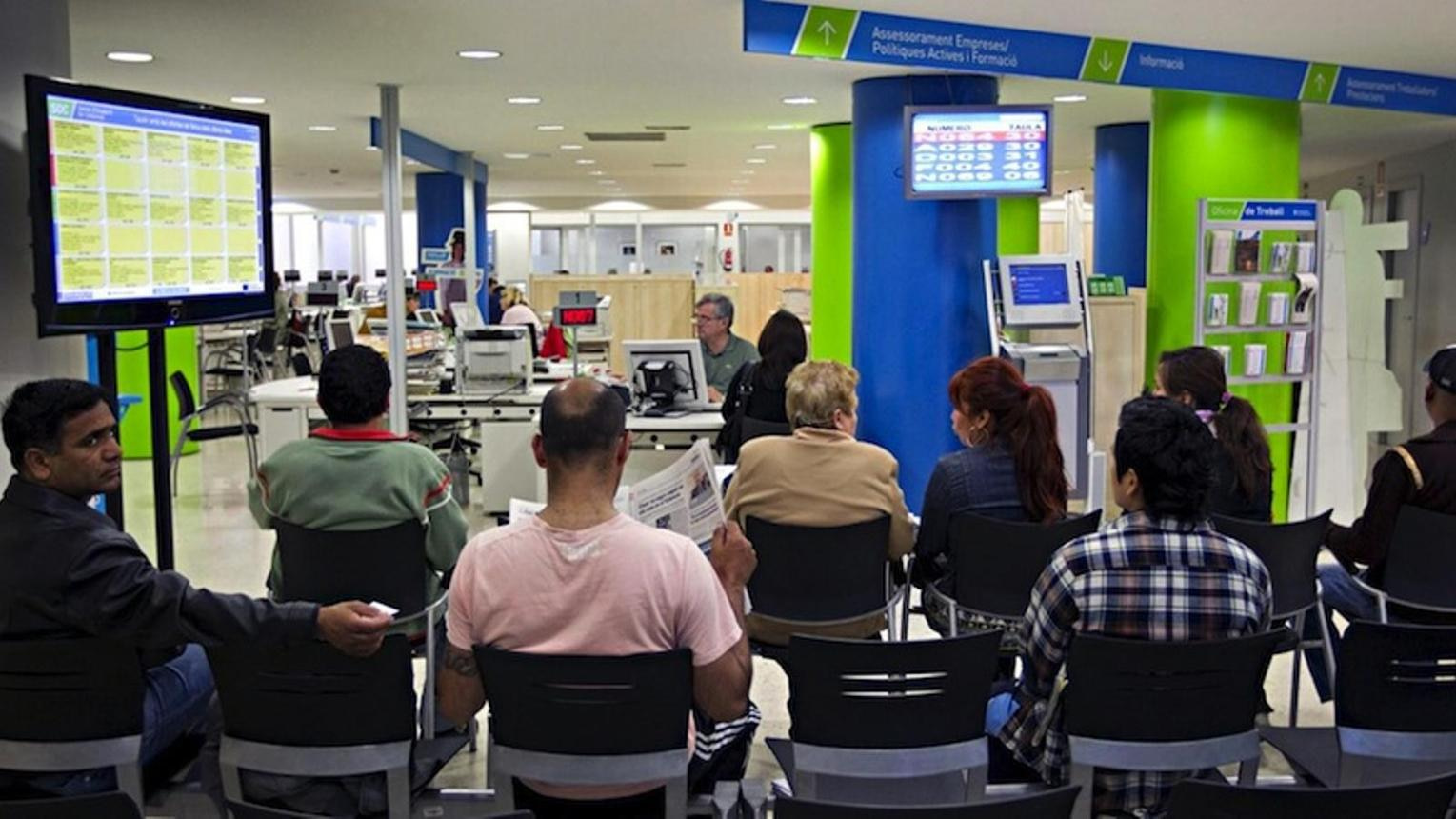
The labour market offers its own ambiguous signal. Eurostat reported unemployment edging up to 6.3 percent in April from 6.2 percent in March, a marginal loosening but one that still leaves joblessness close to historic lows. Employment grew by 0.1 percent in the first quarter and 0.6 percent over the year, evidence that firms are still cautiously adding to payrolls rather than shedding them. A tight labour market is good news for workers, but it also keeps upward pressure on wages and, through them, on the services prices that make underlying inflation so hard to dislodge.
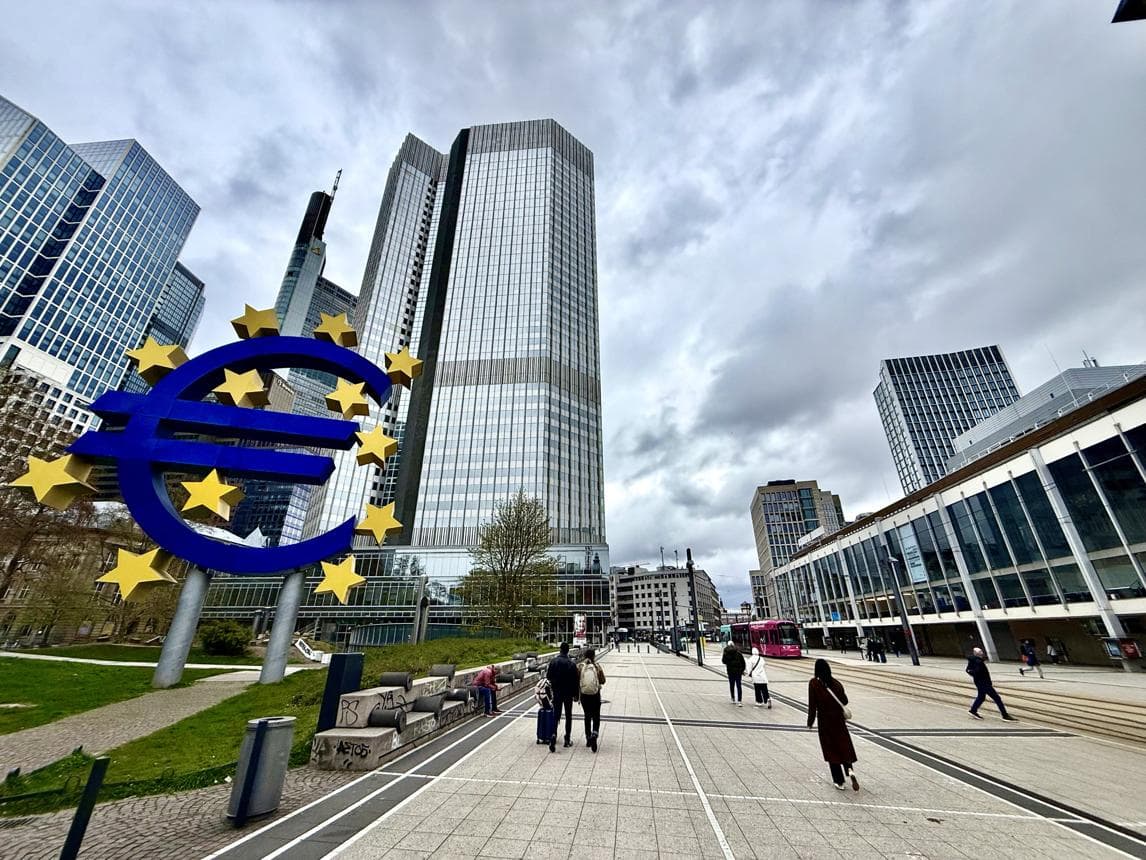
The combination puts the European Central Bank in an uncomfortable spot. After a long and painful tightening cycle, policymakers had begun signalling that the period of restraint might be drawing to a close. A renewed energy-driven jump in headline inflation complicates that narrative, even if the surge is concentrated in a component the central bank cannot directly control. The risk officials fear most is that a temporary energy spike seeps into expectations, prompting workers to demand higher pay and firms to raise prices in anticipation, turning a one-off shock into a self-sustaining problem.
Why it matters extends well beyond the monthly data release. Inflation figures feed directly into decisions on interest rates, which in turn shape mortgages, business loans and government borrowing costs across the bloc. They also feed the political mood; few things corrode trust in institutions faster than the sense that prices are running away while wages lag behind. For now the May reading is a single data point, not a trend, and a cooler energy market could reverse it quickly. But it is a pointed reminder that the journey back to 2 percent was never going to be a straight line, and that the last stretch may be the most stubborn of all.