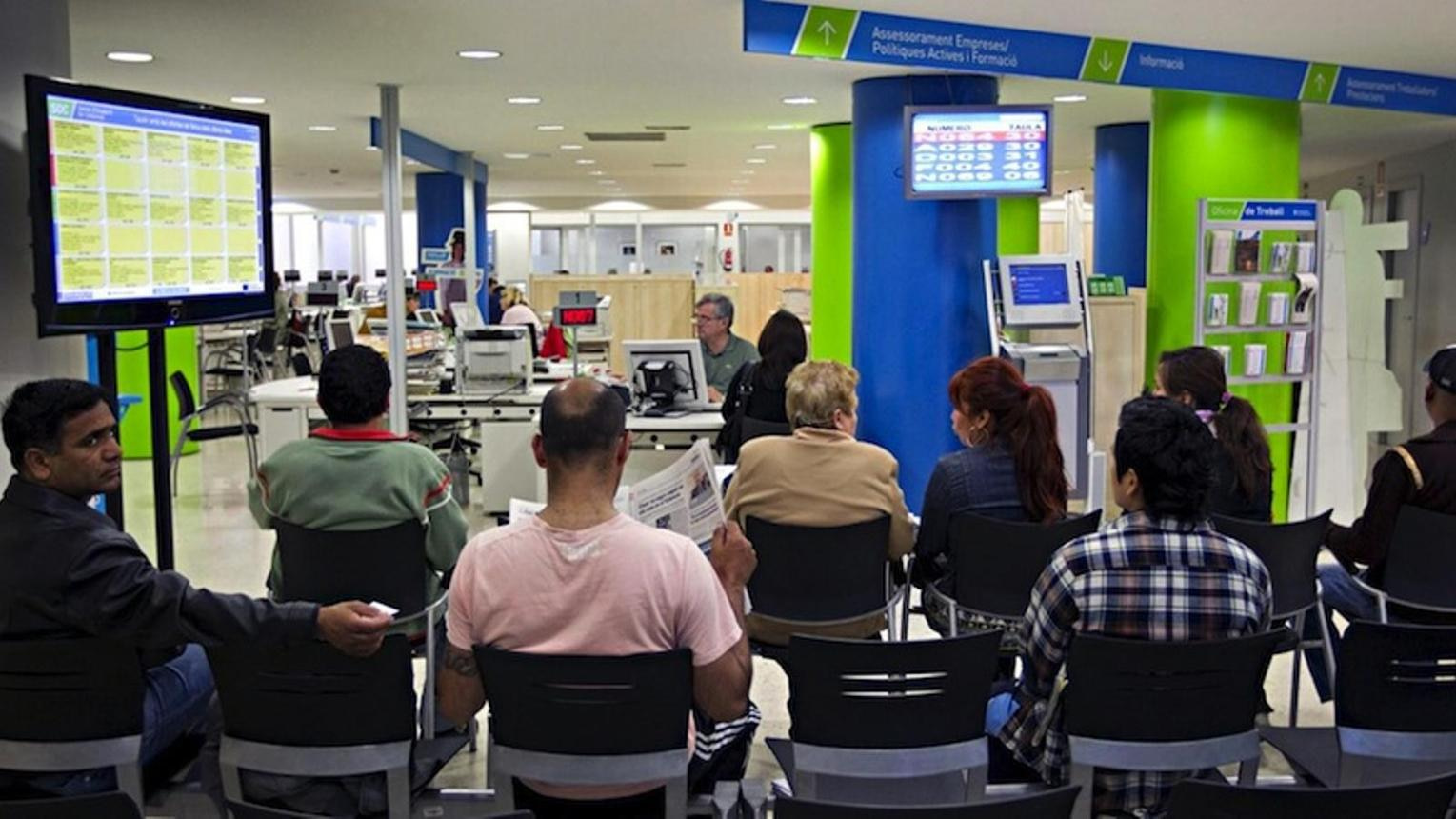
Athens: The euro area’s unemployment rate held at 6.2 percent in May, unchanged from April and down from 6.3 percent a year earlier, according to figures released by Eurostat on 2 July. Across the wider Union of twenty-seven the rate stood at 5.9 percent, also steady month on month and lower than the 6.0 percent recorded in May 2025. After a year of noisy quarterly output data, the labour market is proving to be the calmer story.
The stability is notable because it sits on top of a soft patch in growth. Seasonally adjusted gross domestic product slipped by 0.2 percent in the euro area in the first quarter, yet employers have neither shed workers nor slowed hiring enough to move the headline rate. Economists call this labour hoarding, the tendency of firms to hold on to staff through a slowdown rather than risk being unable to rehire when demand returns. For now it is keeping millions of Europeans in work despite a wobbling economy.
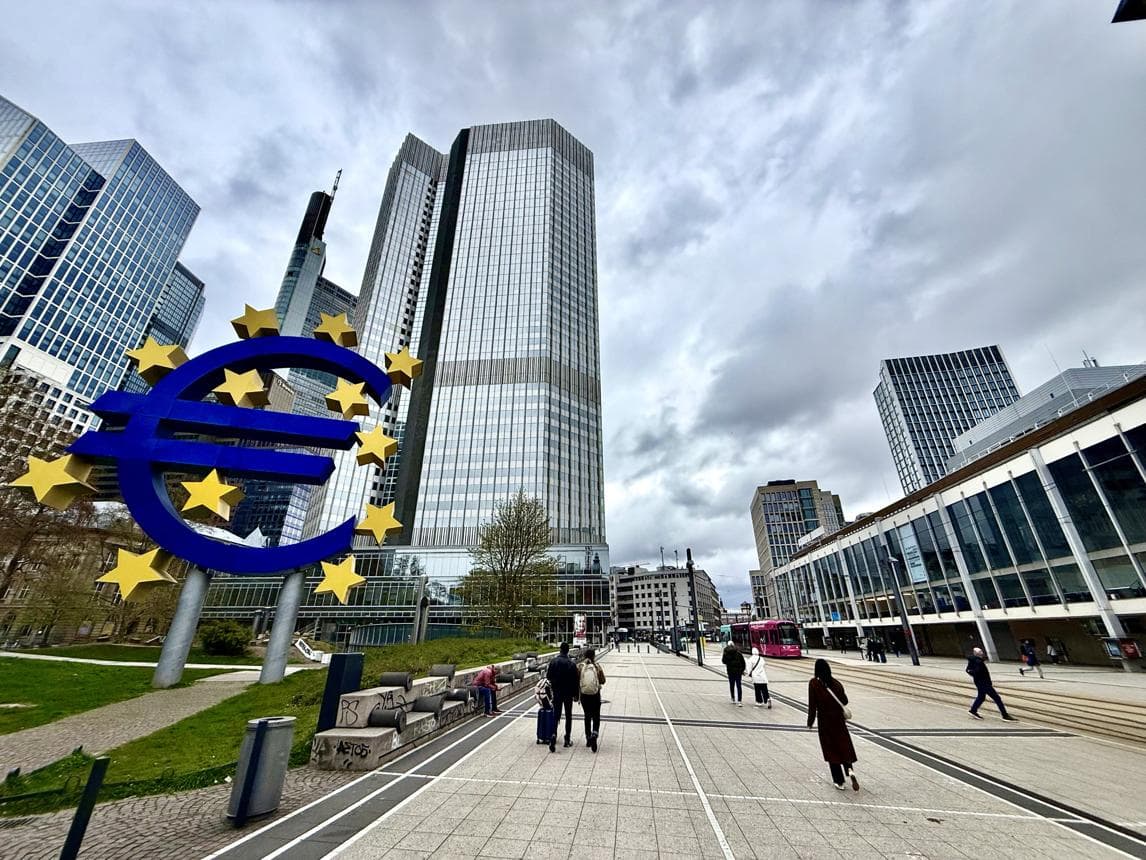
The aggregate hides sharp national contrasts that the single figure cannot capture. Southern economies such as Greece and Spain continue to run rates well above the average, even as they narrow the gap they inherited from the last decade’s debt crises, while several central European labour markets sit close to full employment. That divergence shapes everything from wage bargaining to migration flows within the bloc, and it complicates the European Central Bank’s task of setting one interest rate for very different conditions.
The gender breakdown moved in a modestly encouraging direction. The unemployment rate for women eased to 6.4 percent in May from 6.5 percent in April, while the rate for men fell to 6.0 percent from 6.1 percent. The persistent gap between the two, though narrower than a decade ago, remains a reminder that women are still likelier to be pushed to the margins of the labour market when conditions tighten.
Youth unemployment stays the most stubborn weak spot. Across the euro area, the share of under-25s without work remains far above the general rate, a structural feature that has survived several cycles of recovery and one that policymakers repeatedly promise to tackle through training and apprenticeship schemes.
Why the numbers matter reaches beyond the statistics office. A resilient jobs market supports consumer spending and tax revenue at a moment when governments are straining to fund defence and green commitments, and it gives the central bank room to weigh inflation against growth without a spike in joblessness forcing its hand. It also feeds directly into the political mood, since employment security colours how citizens judge the Union’s economic management.
Eurostat’s next monthly labour release will test whether the plateau holds into the summer. For the moment, the message from the data is one of durability rather than momentum, an economy that is neither creating jobs quickly nor destroying them.