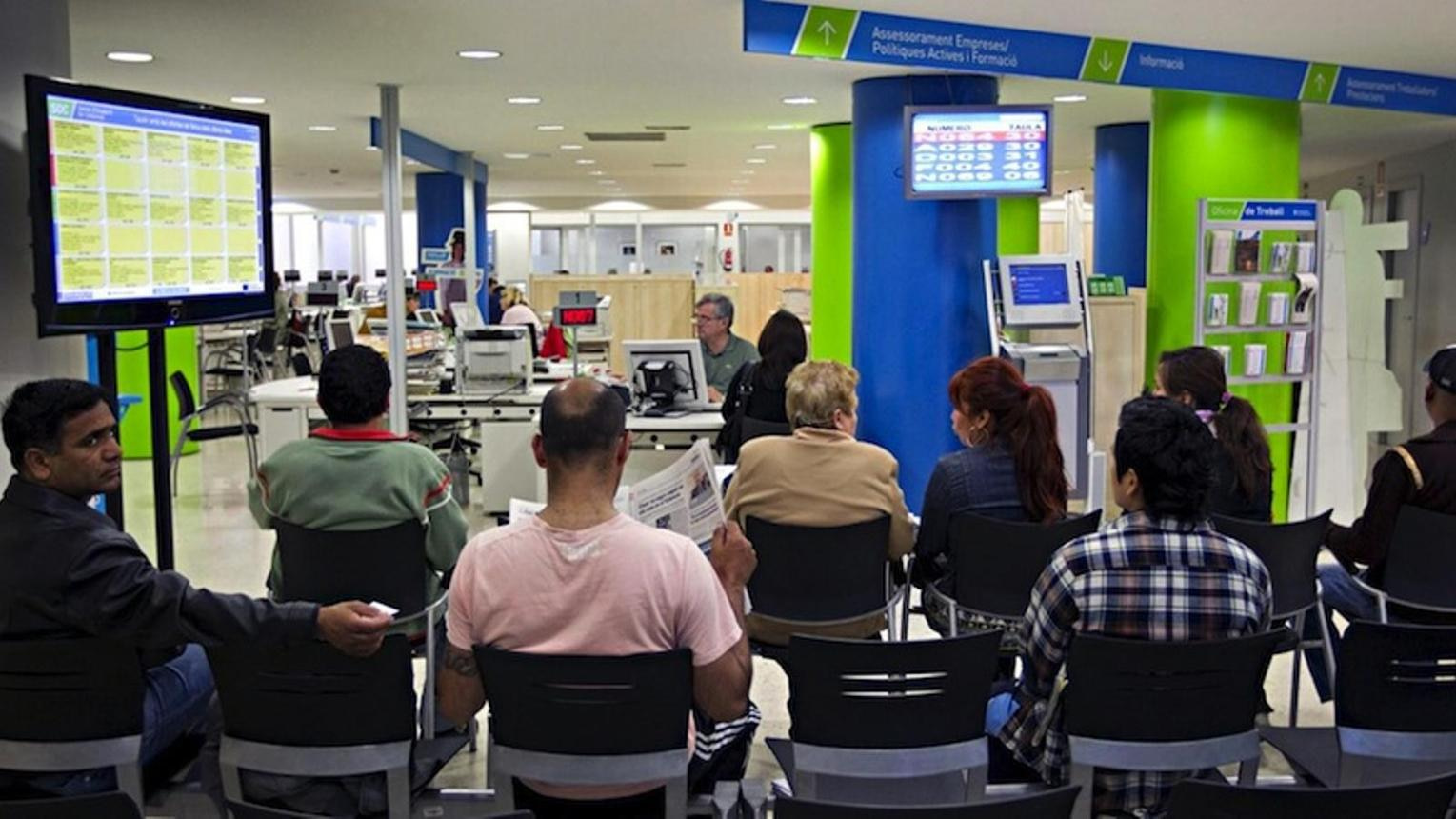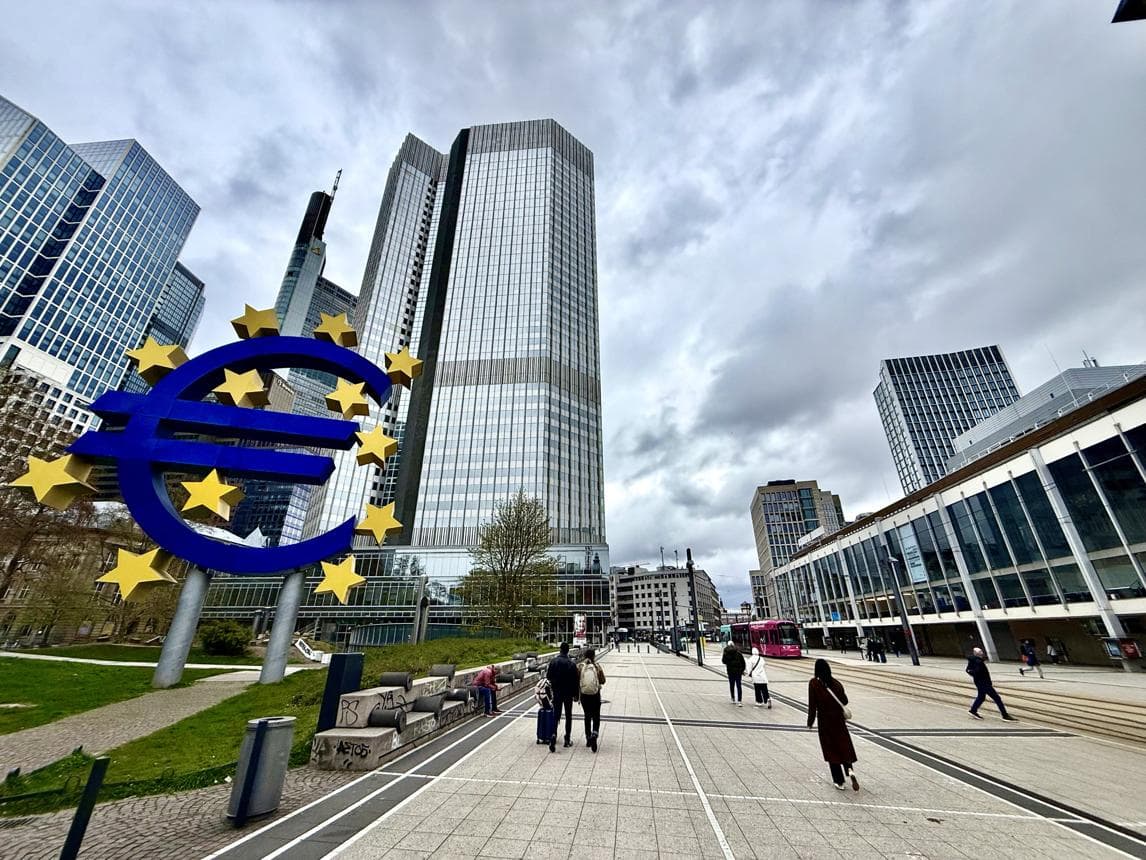
Prague: Behind the Union’s steady headline unemployment number lies a labour market pulling in very different directions depending on where a person happens to live. The rate across the Union held at 5.9 percent in May, unchanged from April and down from 6.0 percent a year earlier, according to Eurostat. In the euro area the figure stood higher, at 6.2 percent. Stability at the aggregate, however, hides gaps between member states wide enough to describe almost separate economies.
At one end sits Spain, where 10.5 percent of the workforce was without a job, followed by Finland at 9.7 percent and Greece at 8.9 percent. At the other end are countries at what economists would call full employment. Czechia recorded the lowest rate at 2.8 percent, with Poland and Malta close behind at 3.1 percent. The distance between a Spanish jobseeker and a Czech one is not a rounding error but a structural divide rooted in industrial mix, labour rules and the legacy of past crises.
For a city like Prague, near-full employment reshapes daily economic life. Employers compete for scarce staff, wages face upward pressure and the constraint on growth becomes not demand but the supply of workers. The mirror image plays out in parts of southern Europe, where the challenge remains creating enough jobs to absorb those still looking, particularly the young.
Education continues to sort outcomes as sharply as geography. Among people aged 25 to 74, those with low educational attainment faced an unemployment rate of 10.5 percent last year, against 4.7 percent for those with medium qualifications and just 3.6 percent for the highly educated. The pattern is consistent across the bloc and points to a labour market that increasingly rewards skills and penalises their absence, a gap no single national policy has closed.
The figures arrive alongside the quarterly Labour Force Survey for the first three months of the year, released in mid-June, which gives policymakers a fuller picture of who is working, who is searching and who has stopped looking. Read together, the data sketch a Union that has largely recovered the jobs lost in recent shocks yet remains fractured in how that recovery is shared.
The numbers matter beyond their statistical interest because they feed directly into decisions about monetary policy, social spending and the design of the next long-term budget. A bloc-wide rate near historic lows strengthens the case that the labour market can absorb further shocks, while the persistence of double-digit joblessness in some members keeps pressure on cohesion and employment programmes to do more. For all the reassurance in the headline, the story Eurostat tells this month is one of an average that few citizens actually experience, and of a Union still learning to read itself through a single figure that conceals as much as it reveals.