August 9, 2026
LATEST
New EU Gas Market Rules Take Effect With Consumer SafeguardsDeforestation Regulation Holds Its December Deadline Despite CutsDigital Omnibus Delays Europe’s High-Risk AI Deadline to 2027Europe’s Schools Confront a Widening Basic Skills GapRule of Law Report Finds Progress but Trust Still LagsIRIS2 Gains 66 Satellites as Brussels Signs the Rollout DealNature Restoration Plans Come Due as Member States Race a DeadlineECB Rates Hold at 2.25 Percent as Frankfurt Waits on the DataEU Budget Talks Turn to Cohesion as Ireland Takes OverWildfire Response Stretches Europe’s Emergency Fleet ThinCan Europe’s Quantum Plan Match Its Big Ambitions?Armenia Edges West as Moscow’s Grip Slips AwayEurope Inherits the World’s Aid Bill It Cannot Fully PayAir Passenger Rights Get Their First Overhaul in Two DecadesErasmus Opens a 5 Billion Euro Round for Skills and MobilityCeuta Crisis Pushes the EU Toward Faster Migrant ReturnsBulky Parcels Face a Packaging Crackdown From August 12Can Europe Build Its Drone Wall Before 2030 Arrives?Indonesia’s Trade Deal With Europe Nears Its Final SignatureEurope Leans on Beijing to Keep Climate Talks Alive Before AntalyaNew EU Gas Market Rules Take Effect With Consumer SafeguardsDeforestation Regulation Holds Its December Deadline Despite CutsDigital Omnibus Delays Europe’s High-Risk AI Deadline to 2027Europe’s Schools Confront a Widening Basic Skills GapRule of Law Report Finds Progress but Trust Still LagsIRIS2 Gains 66 Satellites as Brussels Signs the Rollout DealNature Restoration Plans Come Due as Member States Race a DeadlineECB Rates Hold at 2.25 Percent as Frankfurt Waits on the DataEU Budget Talks Turn to Cohesion as Ireland Takes OverWildfire Response Stretches Europe’s Emergency Fleet ThinCan Europe’s Quantum Plan Match Its Big Ambitions?Armenia Edges West as Moscow’s Grip Slips AwayEurope Inherits the World’s Aid Bill It Cannot Fully PayAir Passenger Rights Get Their First Overhaul in Two DecadesErasmus Opens a 5 Billion Euro Round for Skills and MobilityCeuta Crisis Pushes the EU Toward Faster Migrant ReturnsBulky Parcels Face a Packaging Crackdown From August 12Can Europe Build Its Drone Wall Before 2030 Arrives?Indonesia’s Trade Deal With Europe Nears Its Final SignatureEurope Leans on Beijing to Keep Climate Talks Alive Before Antalya
August 9, 2026
LATEST
New EU Gas Market Rules Take Effect With Consumer SafeguardsDeforestation Regulation Holds Its December Deadline Despite CutsDigital Omnibus Delays Europe’s High-Risk AI Deadline to 2027Europe’s Schools Confront a Widening Basic Skills GapRule of Law Report Finds Progress but Trust Still LagsIRIS2 Gains 66 Satellites as Brussels Signs the Rollout DealNature Restoration Plans Come Due as Member States Race a DeadlineECB Rates Hold at 2.25 Percent as Frankfurt Waits on the DataEU Budget Talks Turn to Cohesion as Ireland Takes OverWildfire Response Stretches Europe’s Emergency Fleet ThinCan Europe’s Quantum Plan Match Its Big Ambitions?Armenia Edges West as Moscow’s Grip Slips AwayEurope Inherits the World’s Aid Bill It Cannot Fully PayAir Passenger Rights Get Their First Overhaul in Two DecadesErasmus Opens a 5 Billion Euro Round for Skills and MobilityCeuta Crisis Pushes the EU Toward Faster Migrant ReturnsBulky Parcels Face a Packaging Crackdown From August 12Can Europe Build Its Drone Wall Before 2030 Arrives?Indonesia’s Trade Deal With Europe Nears Its Final SignatureEurope Leans on Beijing to Keep Climate Talks Alive Before AntalyaNew EU Gas Market Rules Take Effect With Consumer SafeguardsDeforestation Regulation Holds Its December Deadline Despite CutsDigital Omnibus Delays Europe’s High-Risk AI Deadline to 2027Europe’s Schools Confront a Widening Basic Skills GapRule of Law Report Finds Progress but Trust Still LagsIRIS2 Gains 66 Satellites as Brussels Signs the Rollout DealNature Restoration Plans Come Due as Member States Race a DeadlineECB Rates Hold at 2.25 Percent as Frankfurt Waits on the DataEU Budget Talks Turn to Cohesion as Ireland Takes OverWildfire Response Stretches Europe’s Emergency Fleet ThinCan Europe’s Quantum Plan Match Its Big Ambitions?Armenia Edges West as Moscow’s Grip Slips AwayEurope Inherits the World’s Aid Bill It Cannot Fully PayAir Passenger Rights Get Their First Overhaul in Two DecadesErasmus Opens a 5 Billion Euro Round for Skills and MobilityCeuta Crisis Pushes the EU Toward Faster Migrant ReturnsBulky Parcels Face a Packaging Crackdown From August 12Can Europe Build Its Drone Wall Before 2030 Arrives?Indonesia’s Trade Deal With Europe Nears Its Final SignatureEurope Leans on Beijing to Keep Climate Talks Alive Before Antalya

Joblessness Holds At 6.3 Percent As Europe’s Labour Market Cools

Madrid: The euro area’s unemployment rate held at 6.3 percent in April, according to figures Eurostat released at the start of June, leaving the bloc’s labour market in a state of quiet equilibrium that economists are struggling to read as either reassuring or worrying.

The headline number was unchanged from March and identical to April of last year, a rare stretch of stability after years of volatility. Behind it, Eurostat counted roughly 11.075 million people out of work across the euro members, a figure that actually slipped by about 84,000 over the month. Across the wider European Union the rate sat lower still, near 6.0 percent, reflecting tighter conditions in several central and northern member states.

The detail beneath the average is where the picture turns more textured. The jobless rate for women eased to 6.5 percent from 6.6 percent, while the rate for men fell to 6.0 percent from 6.1, narrowing a gap that has persisted through the recovery. Youth unemployment, long the bloc’s most stubborn sore, also softened: about 2.337 million people under twenty-five were without work, pulling the youth rate down to 14.7 percent from 15.1 the month before.

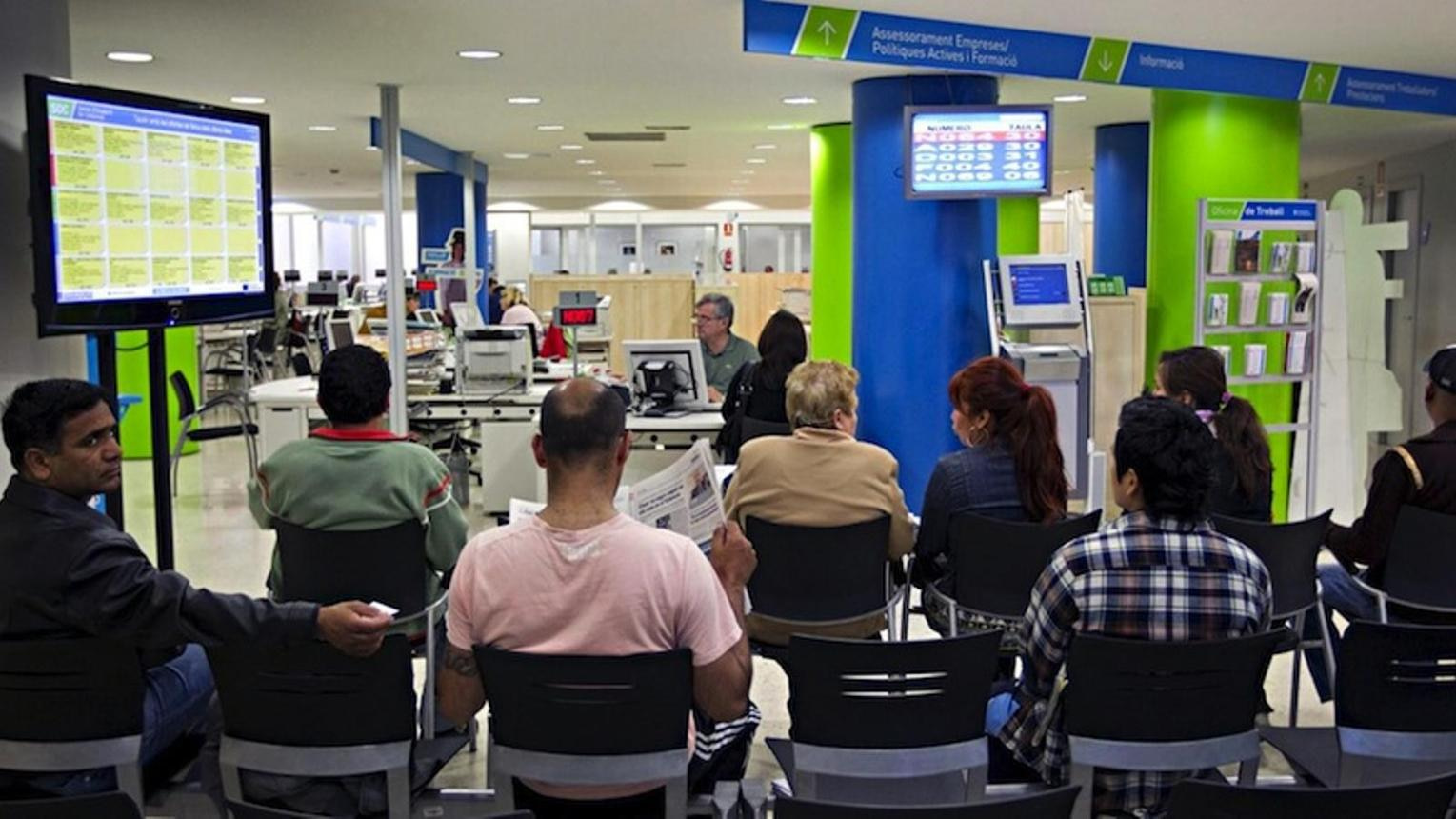
Spain illustrates why a single European figure can flatten very different realities. The country has historically carried one of the highest jobless rates in the bloc, a structural legacy of temporary contracts, regional divides and a labour market that sheds workers fast in downturns and rehires them slowly. A stable euro-area average can coexist with a Spanish rate roughly double that of Germany or the Netherlands, which is precisely why national governments read these monthly releases for the texture rather than the top line.

Stability at this level is double-edged. On one hand, the absence of a sharp rise suggests employers are holding onto staff despite anaemic growth and the lingering drag of elevated borrowing costs, a sign that the feared wave of layoffs has not arrived. On the other, a flat rate signals an economy that is neither expanding fast enough to absorb new entrants nor contracting enough to force adjustment. For a continent worried about competitiveness and stagnant productivity, treading water is not obviously good news.

The release also feeds directly into the monetary debate. Policymakers watching for signs that a cooling jobs market might ease wage pressures will note that unemployment is no longer falling, which could embolden those arguing rates have room to come down. Others will counter that 6.3 percent remains historically low and that the labour market is still tight enough to keep services inflation sticky.

What the data does not yet show is any decisive turn. April’s numbers extend a plateau that has now lasted the better part of a year, with the gentle monthly improvements in youth and female employment offering the only real movement. For a statistical agency whose monthly bulletins rarely make headlines, the quiet consistency is itself the story: a labour market that is, for now, refusing to break in either direction.