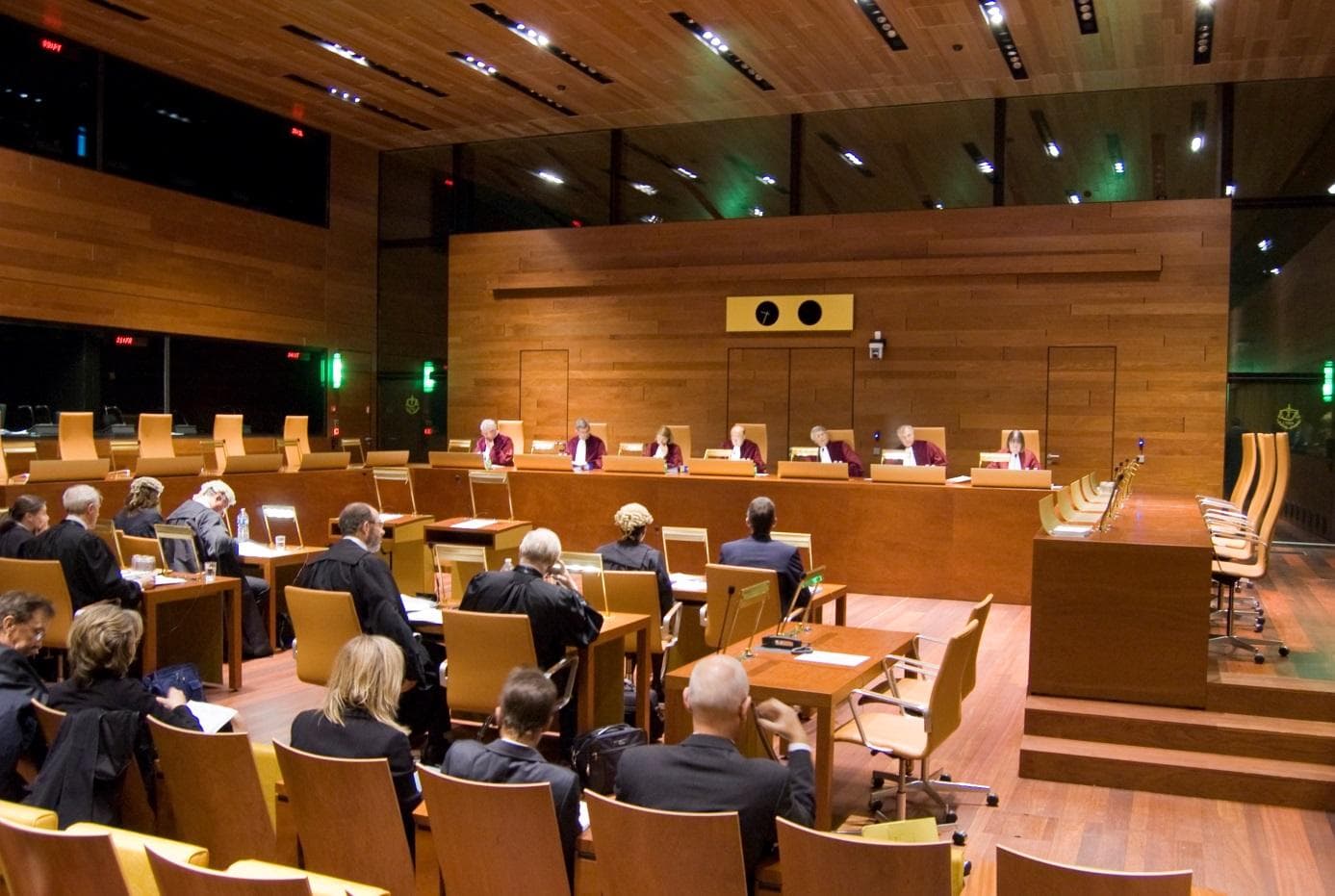
Brussels: Confidence in the impartiality of Europe’s courts is recovering, according to the European Commission’s 2026 Justice Scoreboard, the fourteenth edition of an annual health check on the efficiency, quality and independence of national justice systems published on 4 June. The report found that citizens in seventeen member states and companies in eighteen now see judicial independence as improved or stable compared with a year earlier, a modest but welcome reversal after a stretch in which perceptions had slipped in several countries.
The Scoreboard is not a courtroom verdict and it names no villains directly. It is a comparative dashboard, assembling Eurobarometer survey data alongside structural indicators gathered with European judicial networks, and it leaves the politically charged judgements about specific governments to the separate Rule of Law reporting. What it offers instead is a measurable picture of whether justice systems are getting faster, more digital and more trusted, and this year that picture is cautiously positive on all three counts.
Two themes stand out in the 2026 edition. The first is the deliberate link the Commission draws between functioning courts and the wider economy. Officials have framed effective justice systems as infrastructure for the single market, on the logic that businesses will not invest, contract or innovate across borders if they doubt that disputes can be resolved predictably and on a reasonable timetable. To sharpen that lens, the edition adds new data on business-related judicial competences and on anti-corruption measures, areas where delay and uncertainty translate directly into economic cost.
The second theme is the machinery of independence itself. Rather than relying on perception alone, the Scoreboard expands its structural safeguards, with fresh indicators on probationary periods for newly appointed judges, the powers wielded by prosecutors general, and the systems member states use to allocate cases within prosecution services. These are technical-sounding metrics, but they go to the heart of whether a judge or prosecutor can act without fear of pressure. A case-allocation system open to manipulation, for instance, can quietly undermine independence even where formal protections look robust on paper.
Digitalisation is the quieter success story. The report records continued progress in moving proceedings online, filing documents electronically and shortening the time it takes to resolve disputes. Faster, more accessible courts matter most to ordinary litigants, the small business chasing an unpaid invoice or the family navigating a custody dispute, for whom years of delay can be as damaging as an adverse ruling.
The findings come with caveats. Perception data can swing with the political weather, and an improvement in seventeen states leaves a meaningful minority where confidence has stalled or fallen. The Scoreboard’s value lies less in any single year’s numbers than in the trend lines it builds over time and the peer pressure it generates among governments reluctant to sit at the bottom of a published table. As a contribution to the European Semester and the bloc’s broader rule-of-law toolbox, the 2026 edition gives reformers evidence to point to and laggards a comparison they would rather avoid.