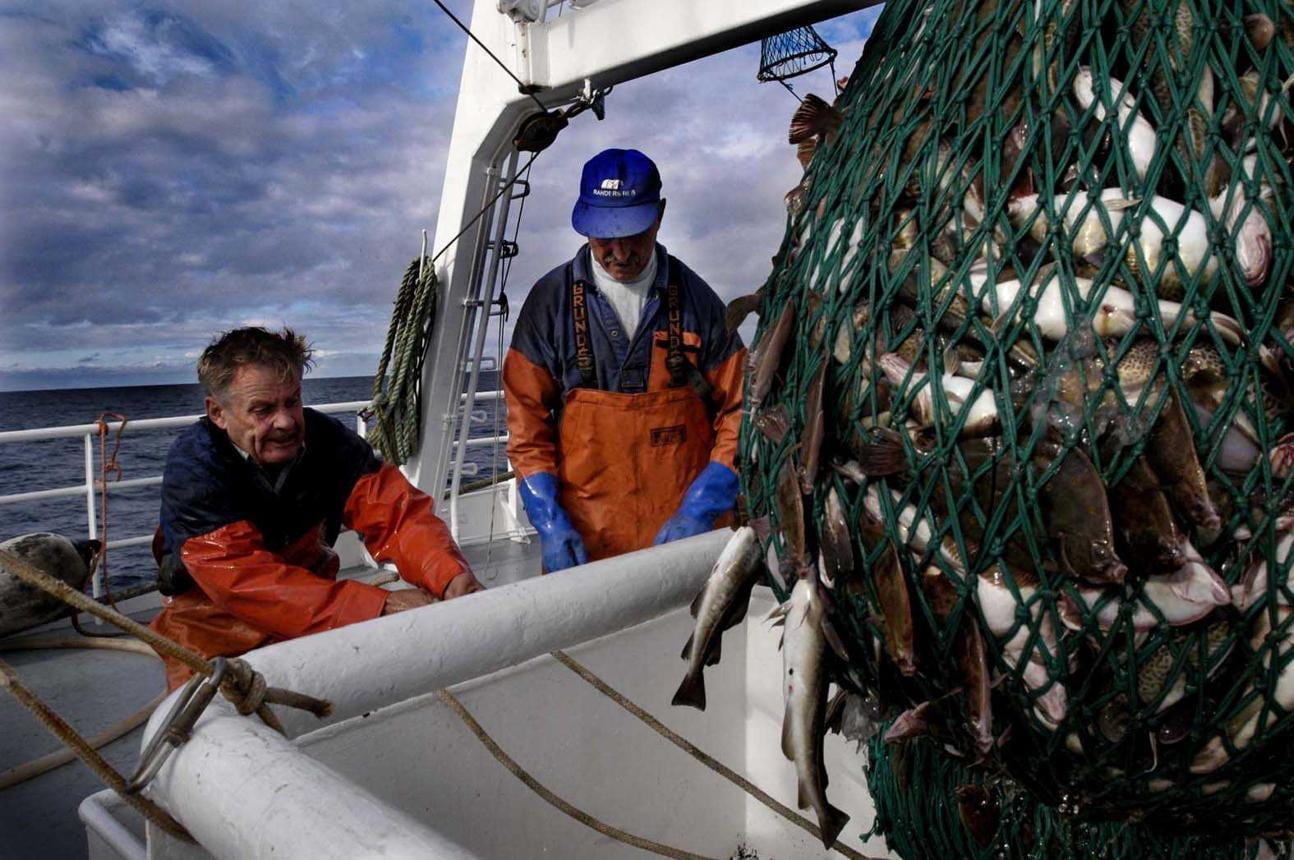
Luxembourg: The European Union’s maritime and fisheries policies have been recalibrated through a sequence of regulatory and operational reforms during the past eighteen months. The revised Fisheries Control Regulation, in full application since 2024, modernises monitoring, control and enforcement across the bloc’s fishing fleet. The Common Fisheries Policy framework remains under review, with the Commission expected to present its mid-term evaluation later in 2026 ahead of decisions on quota allocations and management measures for the post-2027 period.
The Control Regulation introduces comprehensive electronic monitoring requirements for vessels above 18 metres and risk-based monitoring for smaller vessels. Mandatory tracking, electronic logbooks and remote electronic monitoring with CCTV in defined cases provide the data infrastructure for evidence-based fisheries management. The Commission has worked with Member States and EFCA — the European Fisheries Control Agency — to ensure consistent implementation, recognising that fisheries enforcement has historically suffered from significant variations between national systems.
The critical situation on Northeast Atlantic mackerel stocks has become a priority enforcement issue. The Council reviewed at its January 2026 agriculture and fisheries meeting an Irish initiative calling for urgent EU action on the mackerel stocks, where the combined fishing pressure from coastal states inside and outside the EU has exceeded scientific advice for several years. The Commission has pursued diplomatic and technical engagement with non-EU coastal states — particularly Norway, the Faroe Islands and the United Kingdom — to align catch limits with sustainable yields, without conclusive results so far.
The Multiannual Plan for demersal stocks in the western Mediterranean Sea has produced contested outcomes. Spain raised at the January Council the difficulties in the implementation of the Control Regulation and the use of the CATCH system, alongside questions on the effectiveness of fishing effort reduction targets. The Commission and Member States have agreed to additional measures, including spatial closures and gear modifications, but the trajectory of demersal stocks in the western Mediterranean remains a concern, with several stocks at biomass levels below precautionary thresholds.
The Maritime Action Plan, presented in 2025, integrates the policies that govern the maritime economy: fisheries, aquaculture, port infrastructure, maritime spatial planning, ocean observation and the protection of biodiversity. The Plan establishes a coordinated framework for the maritime dimension of the European Green Deal and links the bloc’s external maritime action — including illegal, unreported and unregulated fishing enforcement — to internal sustainability policies. EFCA’s operational role in IUU enforcement has expanded through joint operations with third countries.
Aquaculture remains the focus of dedicated growth strategy. The Commission’s Strategic Guidelines for the sustainable development of EU aquaculture, last updated in 2025, set targets for productive growth alongside environmental safeguards. The proposed Aquaculture Resilience Initiative, expected later in 2026, aims to streamline permitting, improve disease control and address the persistent challenge of regulatory fragmentation across Member States. EU aquaculture production has grown more slowly than non-EU production, despite increasing demand for seafood — a pattern that policymakers attribute partly to permitting delays and partly to public acceptance challenges.
The wine sector measures approved by the Council on 23 February 2026 illustrate the cross-cutting nature of agri-fisheries policy. The package responds to structural overproduction in some traditional wine-growing regions, combined with shifting consumer preferences and trade disruptions. The measures include adjustments to permit production, restructuring support and promotional funding under the agricultural promotion programme.
The Maritime Industrial Strategy, in preparation, addresses the shipbuilding, ship repair and maritime equipment industries — sectors where European producers have lost ground to Asian competitors over decades. The strategy’s industrial policy core combines targeted public investment, demand-side procurement instruments and skills initiatives. The proposal links explicitly to the EU’s defence and security agenda, given that naval and dual-use shipbuilding represent a strategic capacity that the bloc has identified as worth preserving despite the difficult global competitive landscape. Decarbonisation of the maritime sector, including the FuelEU Maritime Regulation in application since 2025, has added a new dimension to the competitiveness challenge, with European yards now competing partly on low-carbon technology rather than purely on price.