Nicosia: Ministers and officials from both shores of the Mediterranean gathered in the Cypriot capital on 5 May to renew a pact that has, against considerable odds, begun to pull the sea’s battered fish stocks back from the brink, agreeing to chart a fresh decade of joint action even as hard questions about pace and ambition remain unresolved.
The high-level conference, co-organised by the European Commission and the Republic of Cyprus, drew together the coastal states that share one of the world’s most heavily fished and ecologically strained seas. Their central commitment was to adopt a new MedFish4Ever Declaration in 2027, succeeding the landmark text signed in 2017. That earlier declaration set a ten-year course for rebuilding stocks and tightening governance, and the gathering in Nicosia was as much a stocktaking as a launchpad, an attempt to measure how far cooperation has carried the region and how much further it must go.
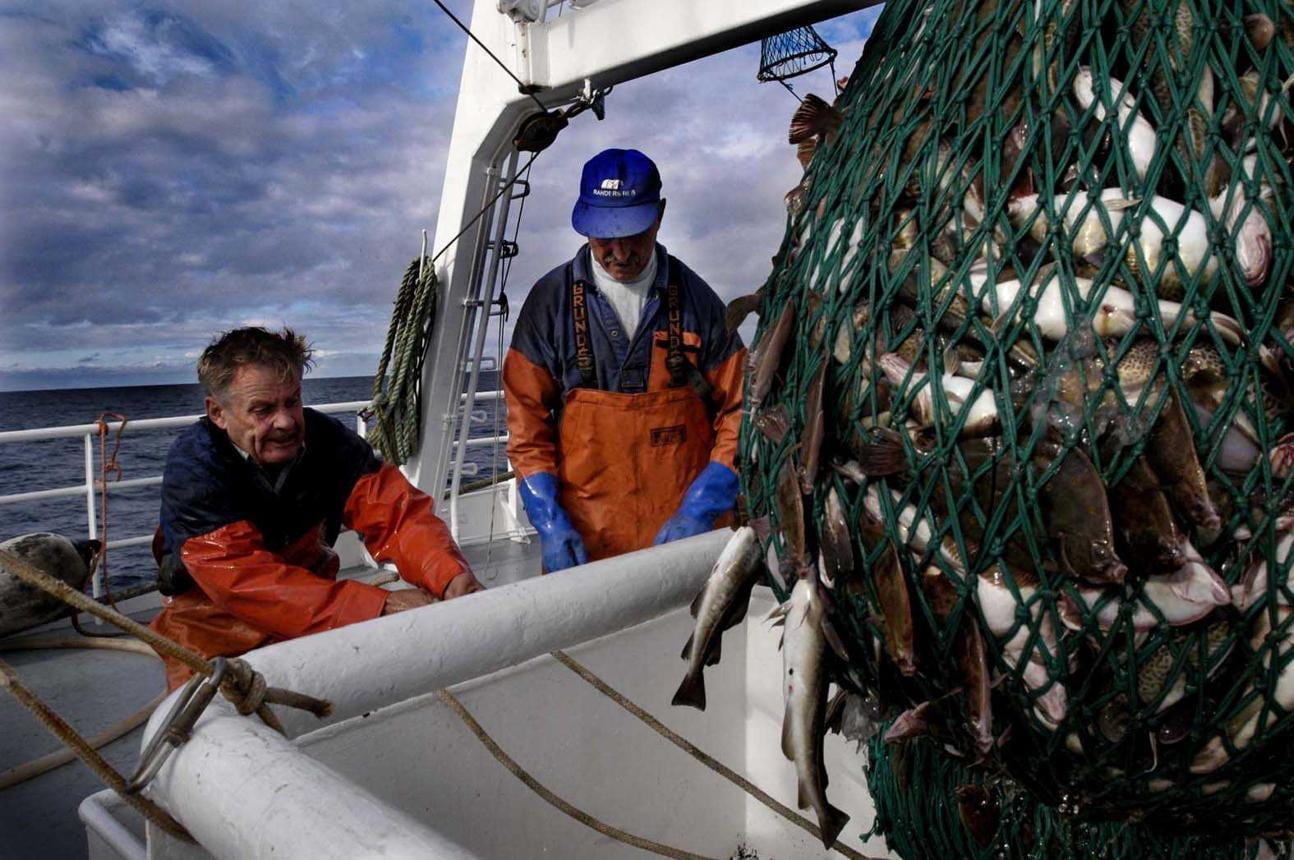
The results so far offer cautious encouragement. Since 2017, roughly half of the assessed Mediterranean stocks have started to recover, a marked improvement in a basin long defined by chronic overfishing. The clearest success has come in the Adriatic, where demersal species that live near the seabed, including hake, have reached maximum sustainable yield for the first time, the technical threshold at which a population can be fished indefinitely without depleting it. For a sea where decline once seemed inexorable, the turnaround is significant, even if it remains partial and fragile.
The coming declaration is expected to widen the agenda well beyond catch limits. Officials point to stronger governance and a sustained campaign against illegal, unreported and unregulated fishing, the shadow activity that undermines every legitimate quota. Science-led recovery is to be deepened through expanded management plans, while a fair transition is promised for the small-scale fishers who make up the backbone of many Mediterranean coastal communities and who often bear the sharpest cost of conservation rules they had little hand in writing.
Climate resilience will feature prominently too. Warming waters are reshuffling the distribution of species, pushing some northward and stressing others beyond their tolerance, and management frameworks designed for a stable sea must now contend with one in flux. Binding much of this together is the General Fisheries Commission for the Mediterranean, the regional body through which European and non-EU states alike coordinate, a reminder that no single coastline can rebuild a shared sea on its own.
That shared character is also the initiative’s greatest vulnerability. The Mediterranean is bordered by states with very different economies, enforcement capacities and political priorities, and a declaration is only as strong as the will to implement it. Conservation groups welcomed the renewed commitment while cautioning that pledges of solidarity must translate into enforceable measures rather than aspirational language. The decision to defer the new text to 2027 gives negotiators time to build consensus, but it also delays concrete obligations in a sea where recovery, though real, is far from secure. Nicosia produced direction and goodwill; the harder work of turning them into binding action now begins.