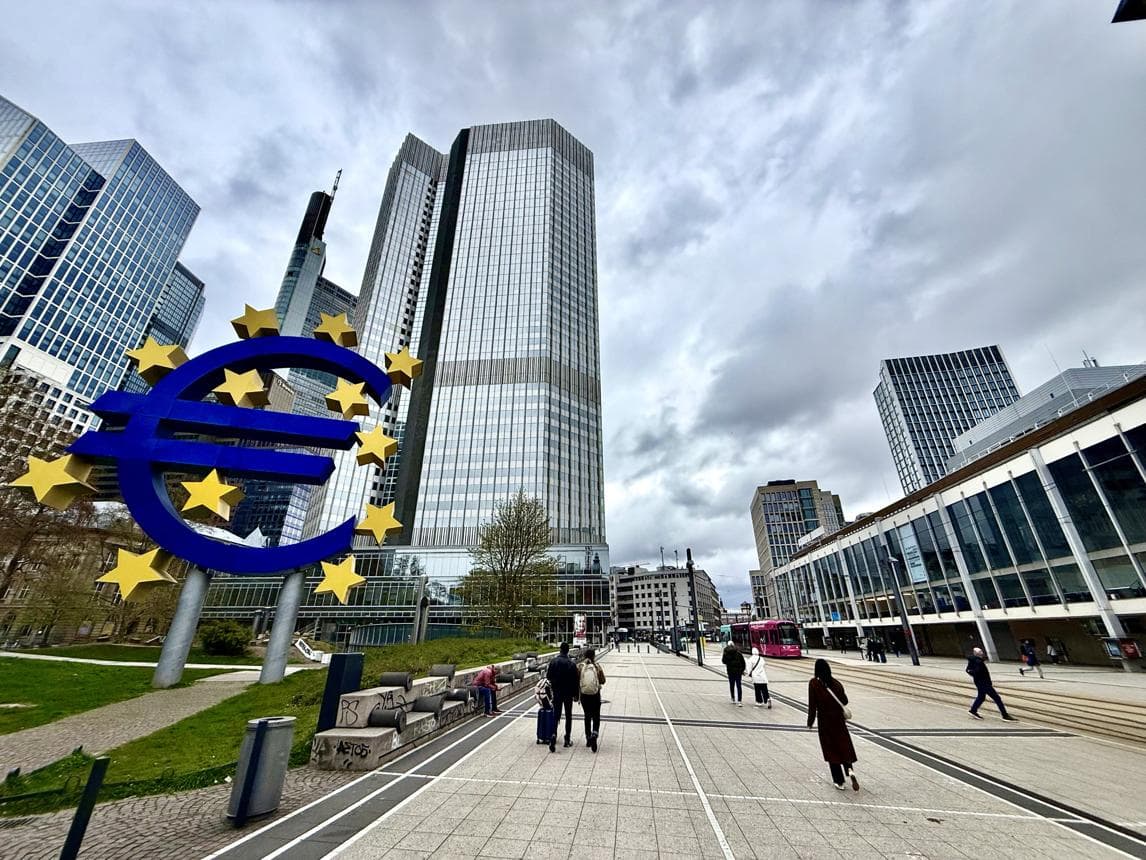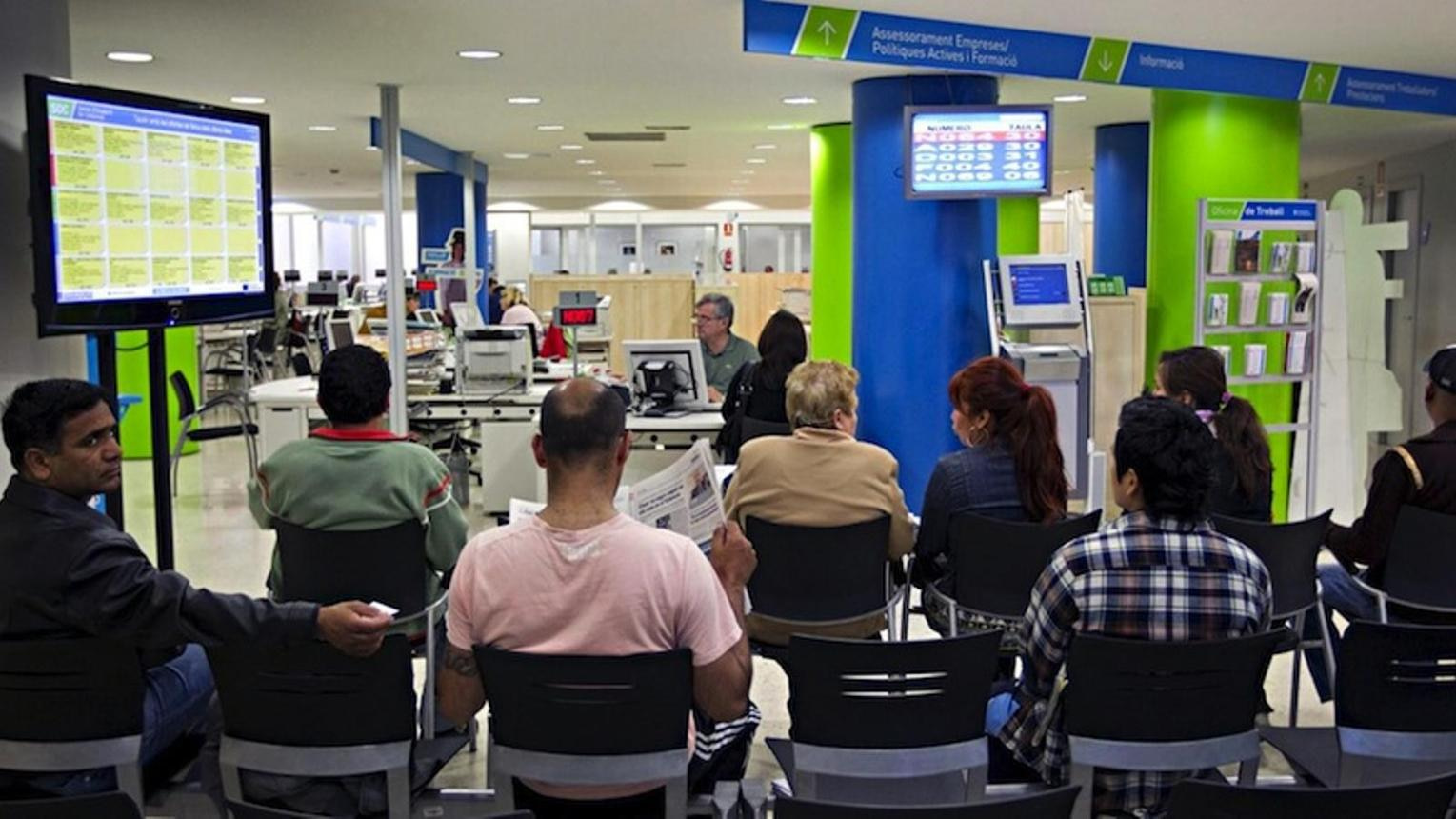
Lisbon: For more than a year, households along Portugal’s Atlantic coast have watched the cost of their variable-rate mortgages drift gently downward, a quiet dividend of the European Central Bank’s long easing cycle. That comfort may be about to end. When the Governing Council meets on 11 June, a growing chorus of economists expects it to lift borrowing costs for the first time in years, nudging the deposit rate to 2.25% from the 2.00% it has held since spring.
The shift would mark a striking reversal of mood. At its most recent meeting on 30 April, the Council left all three of its key rates untouched, with the deposit facility at 2.00%, the main refinancing operations at 2.15% and the marginal lending facility at 2.40%. Policymakers described the incoming data as broadly consistent with their earlier assessment, a phrase that markets read as a signal to wait. Yet beneath that careful language, the balance of risks had begun to tilt.
The trigger is energy. Renewed conflict in the Middle East has pushed oil and gas prices sharply higher, feeding directly into headline inflation while simultaneously sapping the confidence of consumers and manufacturers. For a central bank whose single mandate is price stability, that combination is uncomfortable: the upside risks to inflation have intensified at precisely the moment that the downside risks to growth have done the same. The textbook response to an energy shock is rarely clean, and the Council now finds itself weighing whether to lean against rising prices or to shield a fragile recovery.
Investors have already made up their minds about the near term. Money-market pricing points to a quarter-point increase on 11 June, with at least one further move expected before the year is out. If that path holds, the rate that filters through to Euribor — the benchmark to which millions of southern European home loans are pegged — would begin climbing again, raising monthly repayments for borrowers in Portugal, Spain and beyond who had only just adjusted to cheaper credit.
For the ECB, the decision is as much about credibility as arithmetic. Having spent the easing cycle insisting that policy would remain data-dependent, the Council cannot ignore an inflation print pushed upward by energy without appearing complacent. Equally, tightening into a slowdown risks deepening it. President and chief economist alike have stressed that no rate path is predetermined, a formulation that preserves room to pause again should the energy spike prove short-lived.
What makes this meeting unusually consequential is its timing. A June hike would not merely adjust the price of money; it would confirm that the disinflationary phase of the cycle is over and that the central bank is once again prepared to act pre-emptively. Banks, pension funds and finance ministries across the euro area are recalibrating their assumptions accordingly. The Council’s communication on 11 June, and the new staff projections that accompany it, will matter at least as much as the headline number, because they will reveal how far officials believe the energy shock has seeped into underlying inflation. For households watching their repayment schedules, the answer will be felt long after the meeting ends.