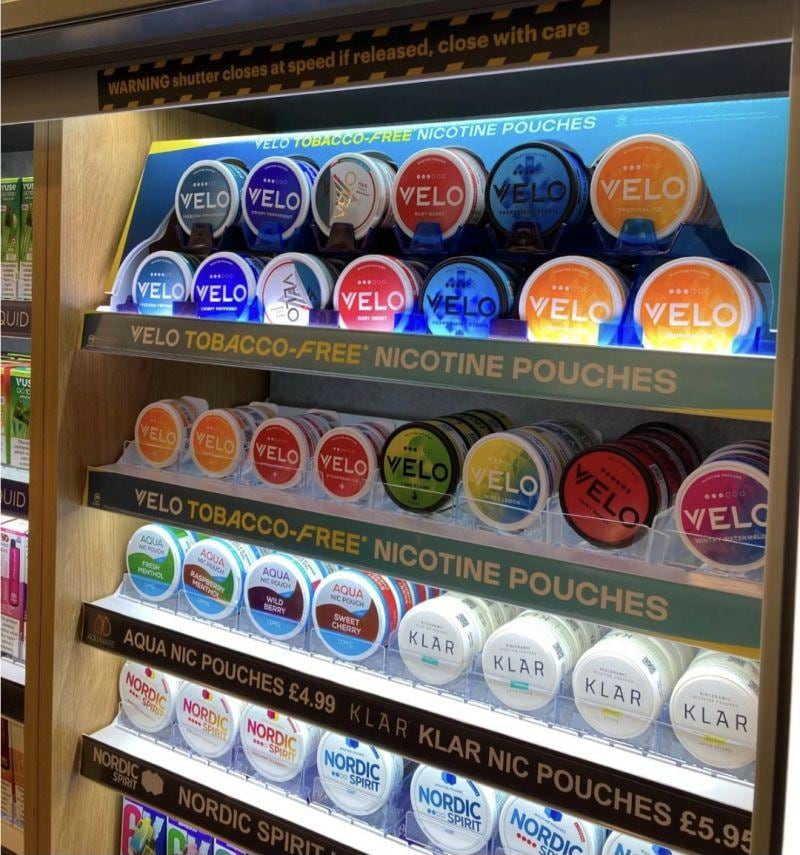
Zagreb: Walk into a corner shop almost anywhere in the bloc and you will find them near the till: small tins of flavoured nicotine pouches, tucked under the lip rather than smoked, marketed in bright colours and sold with few of the restrictions that bind cigarettes. They have become one of the fastest-growing nicotine products on the continent, and they occupy a striking blind spot in European law. The rulebook that governs tobacco was written before these products existed, and as a result it barely touches them.
That gap is now squarely in the sights of health policymakers. The directive that sets common rules on tobacco products dates from 2014, an age in which pouches and similar novel nicotine items were essentially unheard of. Because they contain no tobacco leaf, many fall outside the directive’s scope altogether, leaving questions of flavours, packaging, advertising, age limits and taxation to a patchwork of national decisions. The result is a single market in which an identical product may be tightly controlled in one country and sold freely in another, and in which manufacturers can target young consumers in ways that would be unthinkable for a packet of cigarettes.
The political mood has shifted in response. Health ministers, prodded by several governments determined to push the issue up the agenda, have begun reframing the goal of European tobacco policy. The old ambition of a smoke-free generation, defined by the decline of conventional cigarettes, is giving way to talk of a nicotine-free generation, language that deliberately sweeps in pouches, heated products and the wider universe of items designed to deliver nicotine without smoke. The change of wording signals a change of intent: regulators no longer want to chase each new product after it arrives, but to build rules that capture the category as a whole.
Earlier this year the Commission published an evaluation of the existing tobacco control framework, flagging both the progress made against smoking and the new public health challenges that novel products pose. That assessment is widely read as groundwork for a revision of the directive, and the debate over what that revision should contain is already intense. Public health groups want pouches brought firmly within the rules, with curbs on the sweet flavours and youthful branding they say are designed to hook teenagers. The industry counters that these products help committed smokers quit and should not be regulated as harshly as the cigarettes they replace, a familiar argument that has shaped every previous round of tobacco legislation.
Taxation adds another layer. Several governments are pressing to fold alternative nicotine products into excise rules, both to raise revenue and to blunt their appeal through higher prices. Others worry that taxing them like cigarettes could push users back toward smoking, the more harmful habit. Reconciling those positions across very different national markets will be one of the thorniest parts of any reform.