Esbjerg: From the quays of this Danish North Sea port, which has reinvented itself as Europe’s busiest base for shipping out wind turbines, the continent’s maritime ambitions look less like abstraction and more like steel waiting to be loaded. In June the European Commission published a new tranche of deliverables under the European Ocean Pact, the framework adopted a year earlier to bring order to the crowded and contested use of Europe’s seas, and the documents sharpen a tension that ports like Esbjerg live with daily: how to fit vast new offshore wind farms into waters that fishers, shippers and conservationists also claim.
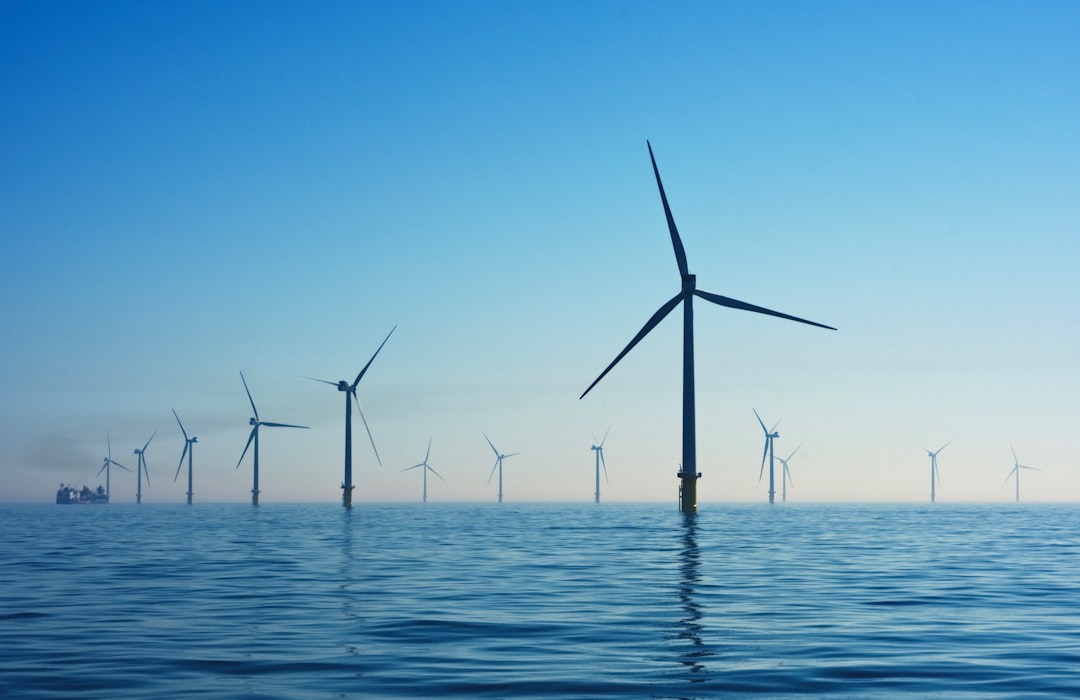
The numbers are striking. Member states’ maritime spatial plans have now earmarked roughly 52,000 square kilometres of sea for offshore wind, an area capable of hosting more than 220 gigawatts of capacity. That is a down payment on the bloc’s stated goal of reaching 450 gigawatts of offshore wind by 2050, a build-out that would make the wind blowing across the North, Baltic, Mediterranean and Black seas one of the largest single sources of European power. Turning lines on a chart into turbines in the water, however, requires coordinating grid connections, shipping lanes, fishing grounds and protected habitats across borders that the sea does not respect.
That is the gap the forthcoming European Ocean Act is meant to bridge. Due to be published in the final quarter of the year, the act is expected to introduce a more standardised approach to how member states plan and report on activity in their waters, replacing a fragmented system in which each coastal state mapped its seas to its own template. Developers, for their part, have been told to align their geospatial feasibility models with national marine spatial plans by the end of 2026, a deadline that is concentrating minds in boardrooms from Bilbao to Gdansk.
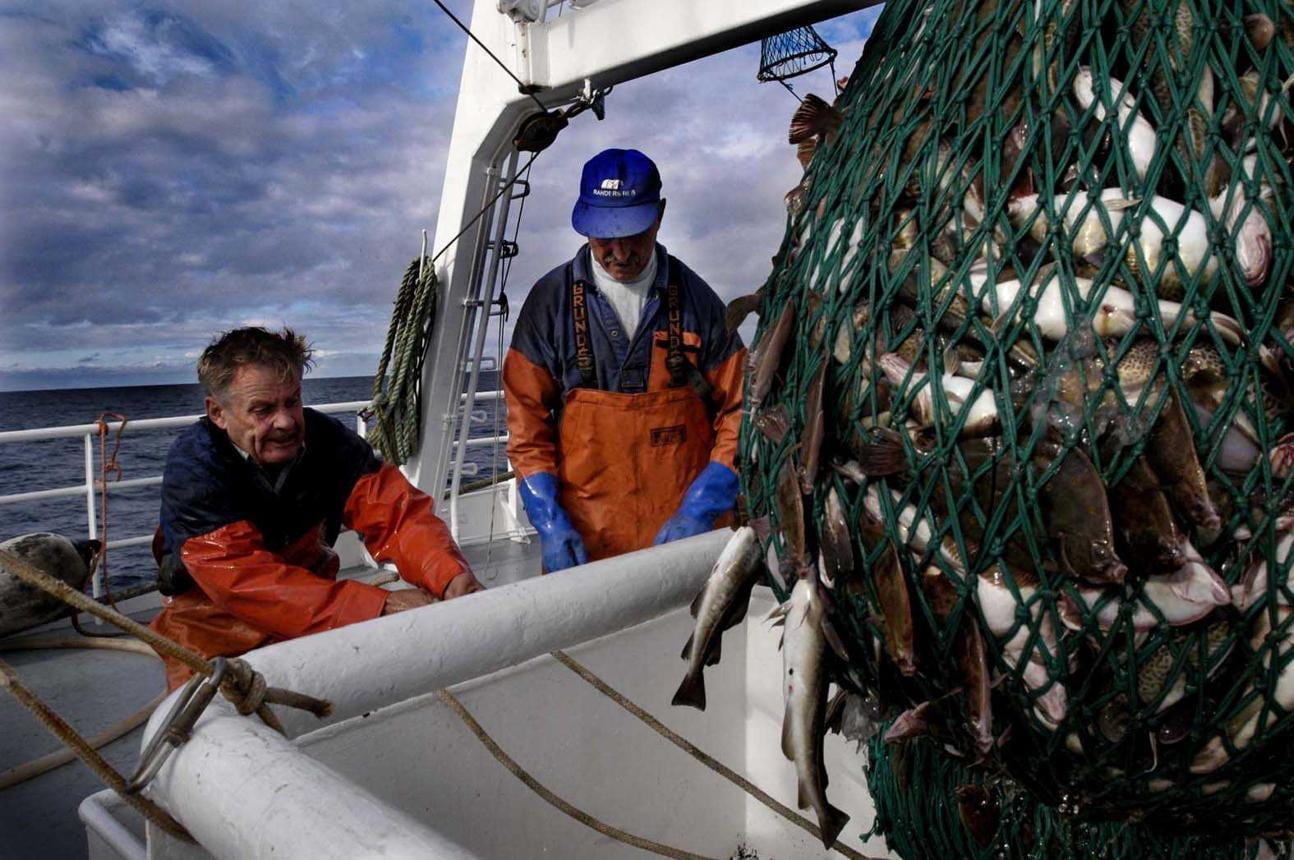
For the fishing communities that share these waters, the expansion is a source of unease. Every square kilometre reserved for turbines is, potentially, water closed to trawling, and fishers along the North Sea coast have warned that they are being squeezed between wind zones, marine protected areas and shifting fish stocks. The Ocean Pact’s drafters insist the answer lies in multi-use, allowing fishing, aquaculture and even tourism to coexist with wind arrays, but the practical record of such coexistence is thin, and trust between the sectors is thinner still.
Esbjerg embodies both the promise and the strain. The port has converted old oil-and-gas infrastructure into a launchpad for the energy transition, drawing investment and jobs even as the trawler fleet that once defined the town contracts. The Ocean Act and the spatial plans behind it will determine whether the next decade of European seas is one of orderly shared use or a scramble for space. The deliverables published this month are an attempt to choose the former before the latter sets in.