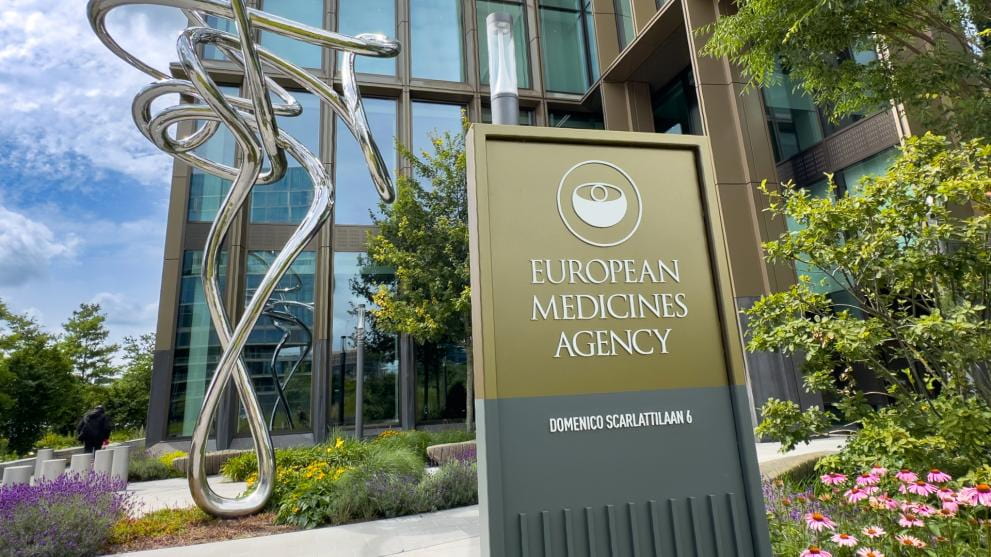
Utrecht: An oral obesity drug called Foundayo won a positive opinion from the European Medicines Agency’s human medicines committee at its October 2026 meeting. The CHMP met from 12 to 15 October and recommended six new medicines for approval, and Foundayo stood out among them.
Foundayo contains orforglipron, an oral GLP-1 medicine intended for obesity and type 2 diabetes in adults. The committee’s opinion does not authorise the product on its own. The European Commission takes the final decision on marketing authorisation, and patients cannot use the oral obesity drug in the EU until that decision arrives. Still, a positive CHMP opinion usually marks the decisive scientific step.
Beyond the oral obesity drug, the October meeting produced two orphan recommendations and a mix of products. Rasonque, with the active substance daraxonrasib, targets metastatic pancreatic cancer in adults who have had at least one earlier treatment. Yuviwel, with navepegritide, treats achondroplasia in children. Kizfizo, a hybrid application based on temozolomide, addresses glioblastoma multiforme in adults and malignant glioma in children. Two biosimilars also won backing: Fovlussea, a ranibizumab for wet age-related macular degeneration, and Neuzafy, a filgrastim for neutropenia in adults and children.
The committee recommended five extensions of indication. They cover the AstraZeneca pandemic influenza vaccine for H5N1, Kyinsu, Talvey, Tryngolza and Tukysa. The agency’s summary does not spell out the new uses, so readers should check the individual product information when it appears.
Not every file went through. The committee confirmed its refusal of Yartemlea, which contains narsoplimab, for thrombotic microangiopathy linked to haematopoietic stem cell transplantation. It did not recommend the use of Mylotarg for children with acute myeloid leukaemia, although it said study data from that population will be added to the product information. Two applications to extend indications, for Ibrance and Truqap, were withdrawn.
One decision touches everyday access. The committee recommended that Nyxoid, a naloxone product, change its legal status to over-the-counter availability. Naloxone reverses opioid overdoses, so wider access can matter in emergencies.
The yearly tally shows steady output around the oral obesity drug and its peers. By the October meeting the committee had issued 72 positive opinions on new medicines in 2026, against 8 negative ones. It had also recommended 97 extensions of indication, and 10 applications had been withdrawn. The six new medicines in October compare with 12 at the September meeting, so the pace varies from month to month.
For health ministries and payers, the oral obesity drug raises the practical questions. Oral treatment may reach patients who prefer to avoid injections, and it could change how health systems organise obesity care. National authorities will still decide pricing and reimbursement after the Commission acts, and those choices will determine real access across the 27 member states.
The Commission decision on Foundayo is now the next step to watch. Once it comes, the oral obesity drug becomes a test of how Europe’s health systems pay for large-scale obesity treatment.