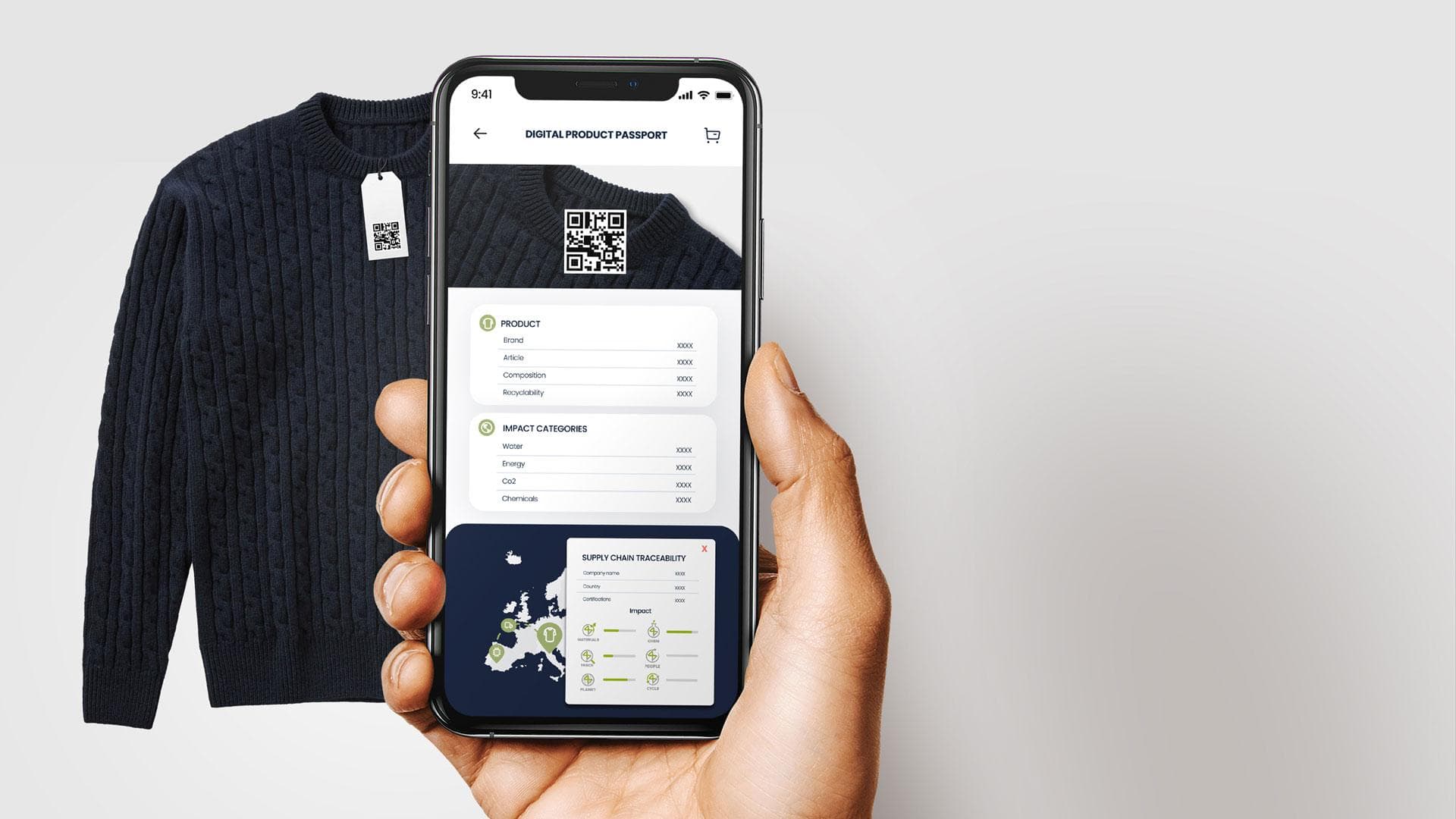
Cologne: The humble driving licence, that pink plastic card tucked into millions of wallets, is being rewritten for the smartphone age. Under reformed EU rules now entering national statute books, every member state will eventually issue a digital driving licence that lives inside the European digital identity wallet, carries a scannable code, works offline and is recognised in every other member state. From 2030 the digital version becomes the default format across the bloc, though drivers who prefer paper will still be able to keep a physical card.
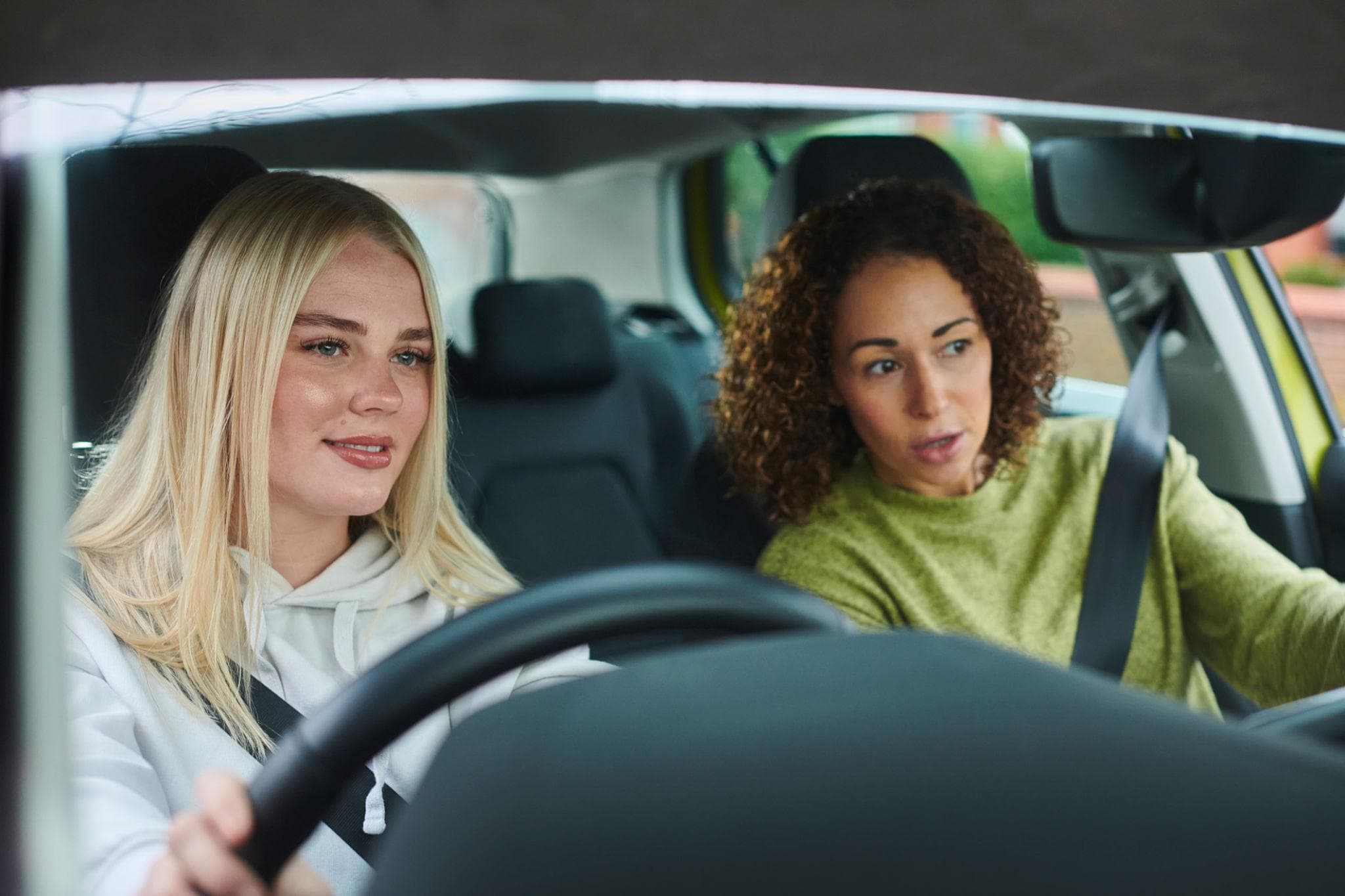
The overhaul, agreed in provisional form last year and since published as formal law, goes well beyond the format of the document. It introduces an EU-wide accompanied-driving scheme that lets seventeen-year-olds learn at the wheel of a car or even a truck under supervision before they reach the legal age to drive alone, a measure backed by road-transport bodies as a way to ease a chronic shortage of professional drivers while building experience gradually. A probationary period of at least two years for newly qualified motorists will apply across the Union, exposing reckless beginners to tougher penalties during their riskiest first months on the road.
Validity rules are being harmonised too. Licences for cars and motorcycles will generally run for fifteen years, though countries may shorten that to ten where the licence doubles as a national identity card, while licences for trucks and buses will need renewal every five years with accompanying medical checks. The aim is to standardise a patchwork that has long complicated life for citizens who move between member states and for police forces trying to verify foreign documents at the roadside.
Implementation will be gradual, and that is where expectations need tempering. Member states have until late 2028 to transpose the directive into national law, followed by a further year to make the rules fully operational, meaning the new framework becomes fully applicable only from late 2029. The digital wallet underpinning the phone-based licence must also be rolled out reliably, a dependency on a separate and ambitious EU project that has slipped before.
Safety campaigners broadly welcome the package, pointing to the disproportionate share of crashes involving young and newly licensed drivers and to the promise of harder-to-forge digital credentials. Critics worry about the practicalities, from patchy smartphone access among older drivers to the data-protection questions raised by storing official identity documents on devices. For now the changes remain mostly on paper, working their way through national parliaments. But the direction is set, and a generation of European learners now growing up will likely take their first supervised drives at seventeen and carry their licence on a screen rather than in a wallet.