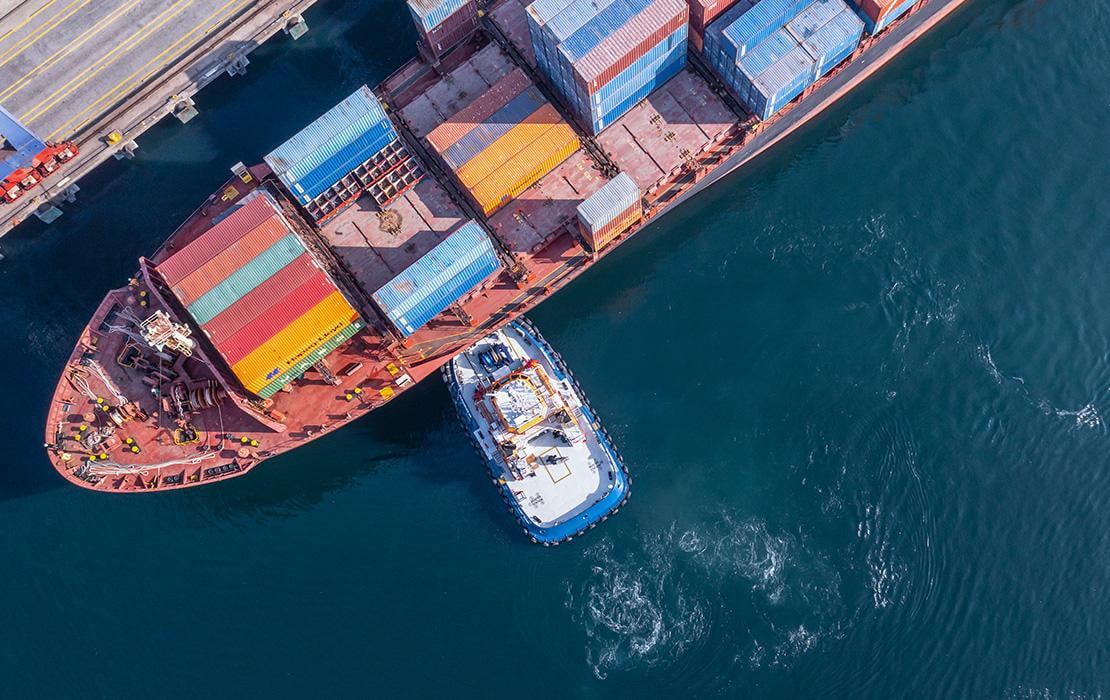
Genoa: The European Commission has sent reasoned opinions to Spain, France and Italy over national flag requirements for tugs and mooring boats, which it says break the Port Services Regulation. The three countries have two months to change course, otherwise the Commission may take them to the Court of Justice of the European Union. The decision appeared in the October 2026 infringements package published on 1 October.
At the centre of the dispute are Article 4(3) and (4) of Regulation (EU) 2017/352 and Article 49 of the Treaty on the Functioning of the European Union, which protects freedom of establishment. Under strict conditions, the Port Services Regulation lets a Member State require towage and mooring vessels to meet a flag requirement so that social and labour laws can be enforced on board. Spain, France and Italy went further and required these vessels to fly their own national flags.
The Commission rejects that approach on two grounds. First, it says the Port Services Regulation already allows a Member State to enforce its social and labour laws regardless of the flag a vessel flies, so a national flag adds no extra protection. Second, when a flag requirement is imposed, it must accept the flag of any EU Member State and cannot favour one specific national flag. In its view, the three national rules are incompatible with both the Regulation and the freedom of establishment.
The reasoned opinions follow letters of formal notice that the Commission sent in January 2026. After assessing the answers it received, the Commission concluded that the three countries have still not fulfilled their obligations. A reasoned opinion is the second stage of the infringement procedure, and it gives each government a final chance to amend its rules before the Commission decides on a referral to the Court.
For port operators the case is more than a legal technicality. Towage and mooring companies from other Member States may find it harder to serve ports in Spain, France or Italy if their vessels cannot fly the required flag, which narrows competition in a service that every large ship depends on when it enters harbour. The Commission has built the Port Services Regulation to open that market while keeping workers protected, and the infringement cases test whether the balance holds in practice.
If Madrid, Paris and Rome amend their rules within two months, the cases may close without a court hearing. If they do not, judges in Luxembourg will decide how far a national flag can be written into port law under the Port Services Regulation.