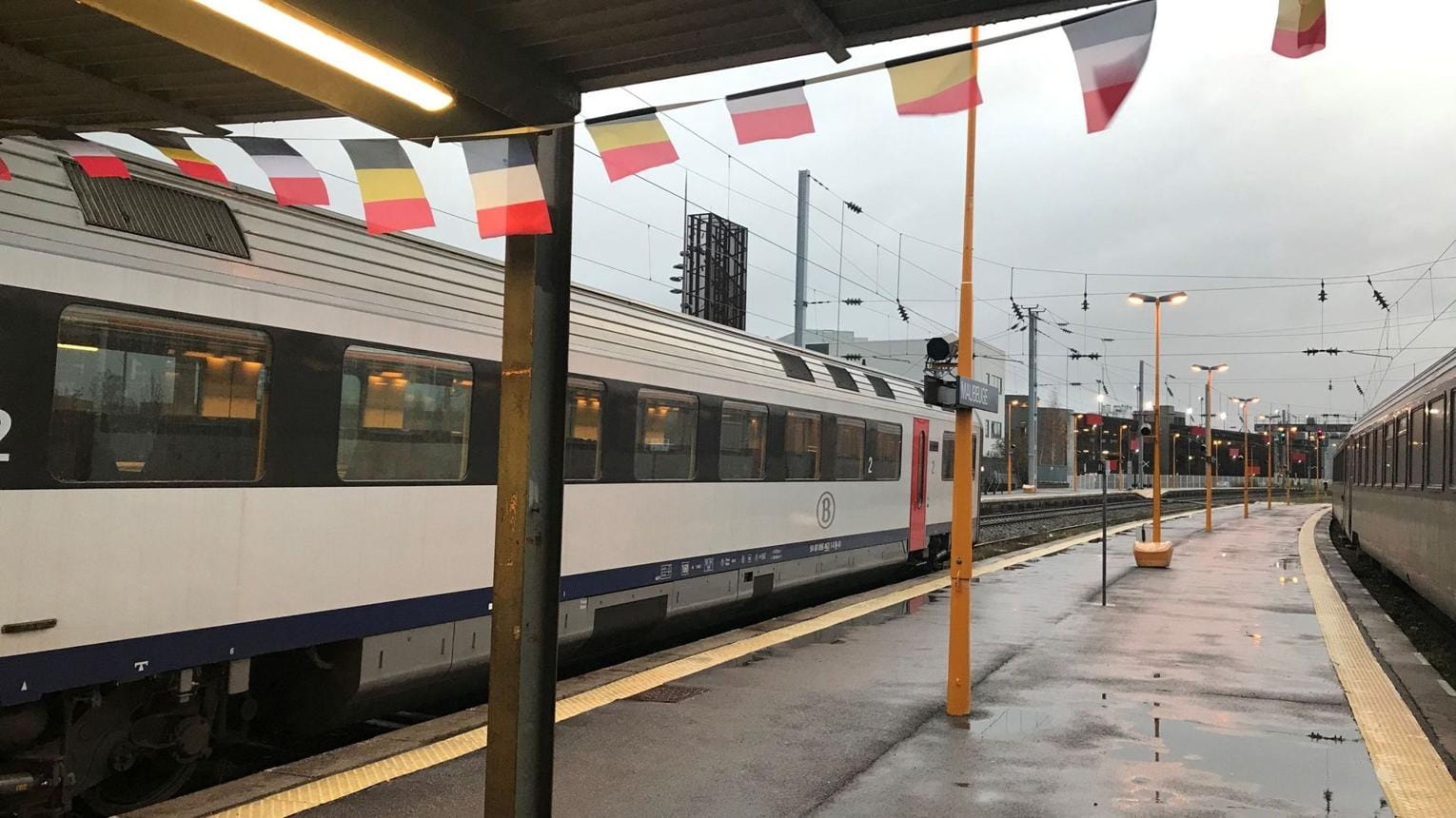
Valenciennes: From its base in northern France, the European Union Agency for Railways has spent years chipping away at the thicket of national rules that stop trains crossing borders smoothly. Now Brussels wants to hand it sharper tools.
The Commission has promised a revised regulation for the agency during 2026, part of a wider drive to knit the continent’s fragmented railways into one faster system. Officials say the overhaul would let the agency scrap redundant national rules and issue vehicle authorisations and safety certificates far more quickly.
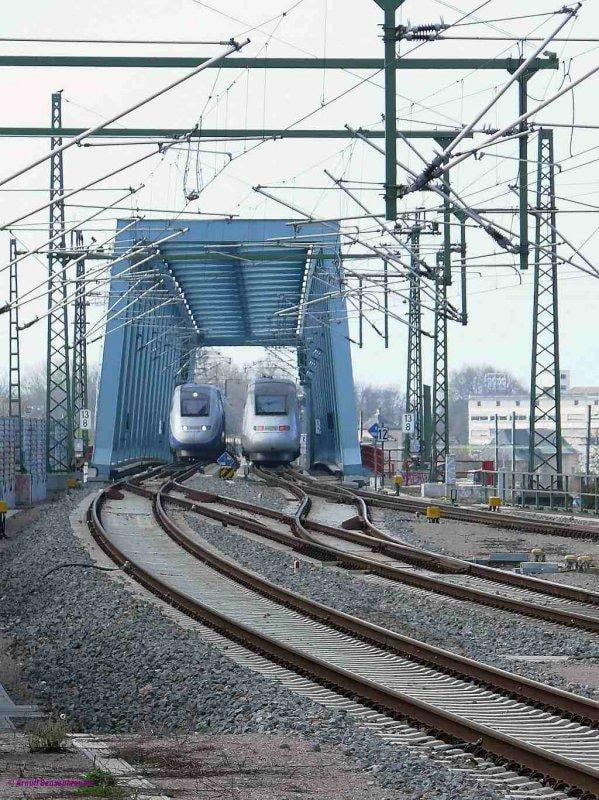
The problem is familiar to anyone who has watched a locomotive halt at a frontier. Europe still runs on a mosaic of signalling systems that force operators to fit trains with layers of costly equipment. The fix is the European Rail Traffic Management System, or ERTMS, a single standard meant to replace some twenty national ones.
A fresh 2026 deployment plan aims to harmonise that rollout across the core network. Faster trains, higher track capacity and better safety are the promised rewards, though the bill climbs into the tens of billions of euros. The Commission lays out the logic in its rail strategy.
An independent review of the agency added weight to the case. It called for a stronger, better-resourced body able to act as a genuine European regulator rather than a clearing house for national decisions. The revised mandate answers part of that complaint.
Freight operators feel the pain most sharply. A single container train heading east may pass through five countries and as many signalling regimes, each demanding its own approvals, and every delay at a border erodes rail’s edge over road haulage.
The stakes reach beyond convenience. The Commission’s plan to connect Europe through high-speed rail sets out ambitions for a continental network that could pull travellers off short-haul flights and cut transport emissions. None of it works if a train still stops dead at every border.
Money remains the sticking point. Equipping locomotives and tracks with the common system swallows billions, and cash-strapped national budgets often push the upgrade down the queue, which is why Brussels ties much of its rail funding to ERTMS deployment.
Not everyone cheers. National safety authorities guard their turf and worry that a muscular agency could override hard-won local expertise. Rail operators take the opposite view and welcome anything that trims the cost of running a service from Lisbon to Helsinki.
Whether 2026 delivers the promised regulation on schedule remains an open question. The legislative calendar is crowded, and member states rarely surrender regulatory power without a fight. For now, the agency keeps deleting national rules one line at a time.