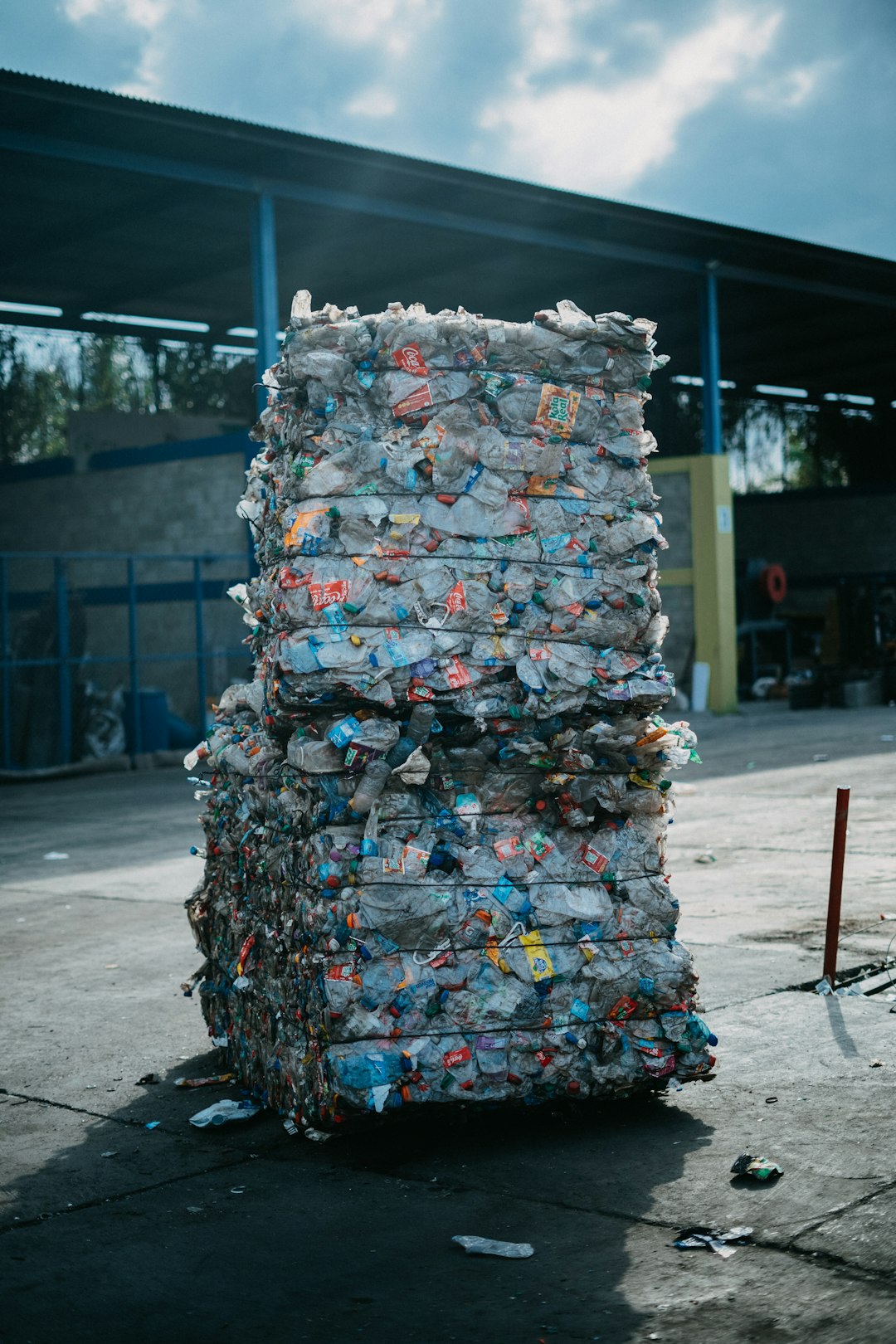
Antwerp: In the yards that ring Europe’s second-largest port, mountains of shredded metal, baled plastic and crushed glass wait for buyers who often prefer virgin material shipped from halfway around the world. That preference is exactly what the European Commission now says it wants to break. Officials have confirmed that a Circular Economy Act, long trailed in the bloc’s competitiveness agenda, will be tabled in the second half of this year, and the recyclers, manufacturers and traders who handle Europe’s discarded matter are already arguing over what it should contain.
The central promise is a genuine single market for what regulators call secondary raw materials. Today a bale of recovered plastic that counts as a product in one member state can be classified as waste the moment it crosses a border, triggering paperwork, inspections and delays that make recycled feedstock more expensive and less reliable than freshly extracted alternatives. The Commission wants harmonised end-of-waste criteria so that material reprocessed to an agreed standard can move freely, be priced predictably and compete on something closer to level terms.
A second strand tackles the patchwork of extended producer responsibility schemes, the levies that make companies pay for collecting and treating the goods they put on the market. Rules differ so sharply between capitals that a firm selling identical products across the continent faces dozens of separate registration systems and fee structures. Streamlining them would cut compliance costs, but it also redistributes who pays, and national schemes that have built up reserves are wary of a common framework that might dilute their control.
Underlying the exercise is an uncomfortable statistic. The share of material fed back into the European economy has drifted around a low double-digit figure for years, far short of the doubling that policymakers once promised for the decade. Demand is the missing ingredient. Without buyers willing to specify recycled content, better collection simply produces stockpiles, which is why the coming law is expected to lean on mandatory recycled-content targets for products such as vehicles and construction materials, mirroring quotas already written into recent packaging rules.
Industry is divided. Reprocessors welcome guaranteed demand and clearer classification, seeing a chance to invest in capacity without fearing that cheap imports will undercut them. Some manufacturers counter that rigid content mandates could force them to use material that is scarce, variable in quality or simply unavailable at the volumes required, and warn that poorly calibrated targets would raise prices without improving supply. Environmental groups, meanwhile, worry that a law framed chiefly as an industrial-competitiveness instrument will privilege securing critical materials over cutting consumption in the first place.
The geopolitics are hard to ignore. With access to raw inputs increasingly shaped by export controls and strategic rivalry, keeping metals and minerals circulating inside the bloc has become a security argument as much as an environmental one. Whether the Circular Economy Act can convert that rhetoric into functioning markets will depend on details still being drafted, and on whether governments accept common rules that trim their room for national manoeuvre. For the operators in Antwerp’s scrapyards, the test is simpler: will the finished law finally make their output worth more than the waste it came from.