Palermo: Cohesion policy was conceived to narrow the gap between Europe’s prosperous cores and its struggling peripheries, pouring money into roads, broadband and retraining in places the single market left behind. The mid-term review of the current funding period, whose results were tallied this spring, shows that mission quietly bending under the weight of newer anxieties. Across the Union, regions and capitals have agreed to redirect some thirty-four and a half billion euro toward priorities that barely featured when the programmes were drafted.
The scale is striking. Member states amended one hundred and eighty-six national and regional programmes, touching twenty-five of the bloc’s governments, and shifted close to ten percent of the entire three hundred and sixty-seven billion euro cohesion envelope. The largest single redirection, around fifteen billion euro, went to competitiveness. Close behind sat defence and civil preparedness, which drew nearly twelve billion, followed by smaller sums for affordable housing, water resilience and energy security. Only two governments, Austria and Luxembourg, declined to move any money at all.
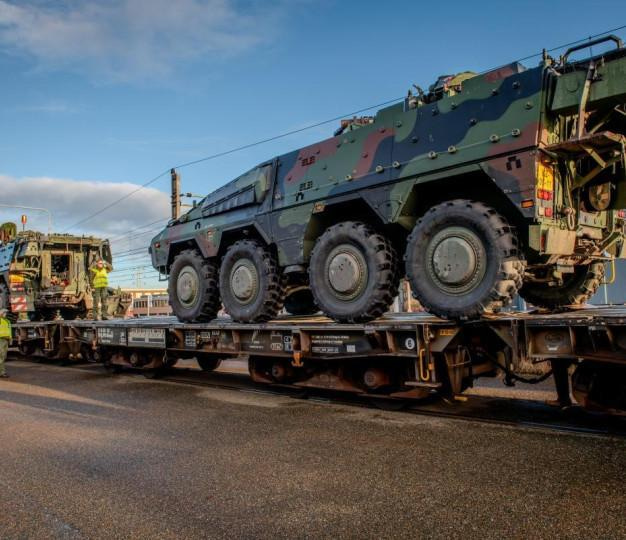
The reallocation toward defence is the most politically charged. Cohesion funds were never designed to buy military capability, and using regional development money for preparedness sits awkwardly with the policy’s founding purpose of economic convergence. Supporters frame it as pragmatism in an era when security and prosperity have become inseparable, and when border regions in particular see defence spending as a form of local investment. Critics worry that every euro diverted to barracks or stockpiles is a euro not spent closing the development gaps the policy exists to address.
To make the shift palatable, the Commission dangled incentives rather than mandates. Regions that reprogrammed their funds toward the new priorities were offered enhanced pre-financing to get projects moving and higher co-financing rates that ease the burden on stretched national treasuries. The sweeteners worked, which is why all but two member states took part, but they also reveal the underlying bargain. Capitals were not simply persuaded of the merits of housing or water resilience; they were paid, in effect, to embrace flexibility.
That flexibility is the real story of the review. Cohesion policy has historically been rigid, its envelopes locked years in advance and its categories slow to adapt. The willingness to let a tenth of the budget migrate mid-cycle marks a shift toward treating these vast sums as a strategic reserve the Union can redeploy when circumstances change. For a policy often criticised as sluggish and bureaucratic, the speed of this reprogramming is a genuine institutional achievement.
It is also a preview of a fight already gathering over the next long-term budget. If cohesion money can be redirected toward defence and competitiveness this readily, governments and regions will ask why those priorities should not be funded directly, and what remains of cohesion’s distinct mission once it becomes a flexible pot for whatever crisis dominates the headlines. Poorer regions, the policy’s intended beneficiaries, have the most to lose if convergence slides permanently down the list. The mid-term review answered an immediate need; it sharpened a longer argument about what cohesion is actually for.