Katowice: In the coal basins of southern Poland, where European structural money has paid for everything from tram lines to retraining centres, local officials are watching a quiet redesign of the system that feeds them. On 16 June the Council agreed a partial negotiating position on the National and Regional Partnership Plans, the single-document model the Commission wants to govern cohesion, agriculture, migration and fisheries spending from 2028. The shift would replace the dense web of regional programmes with one plan per member state.
Supporters call it simplification. The current architecture forces regions, managing authorities and the Commission through layers of approvals that can delay projects by years, and the new template promises fewer procedures and faster disbursement. The Council text leans into that argument, but it also tries to soften the centralising edge by writing in a stronger role for regions and local authorities, demanding that they be consulted when capitals draw up their plans.
That concession reflects a real fear. The Committee of the Regions has warned that channelling money through national governments risks hollowing out the place-based logic that made cohesion policy distinctive. A single plan negotiated in a finance ministry, critics argue, can quietly redirect funds from a struggling rural district toward a capital’s priorities, with little that a regional council can do about it. The phrase doing the rounds is recentralisation by spreadsheet.
The stakes are not small. Cohesion has been the EU’s second-largest spending line, and earlier this year roughly thirty-five billion euros was reallocated toward defence, competitiveness and housing, a sign of how fluid these envelopes have become. Folding that money into national plans makes the flexibility easier but the territorial guarantees weaker.
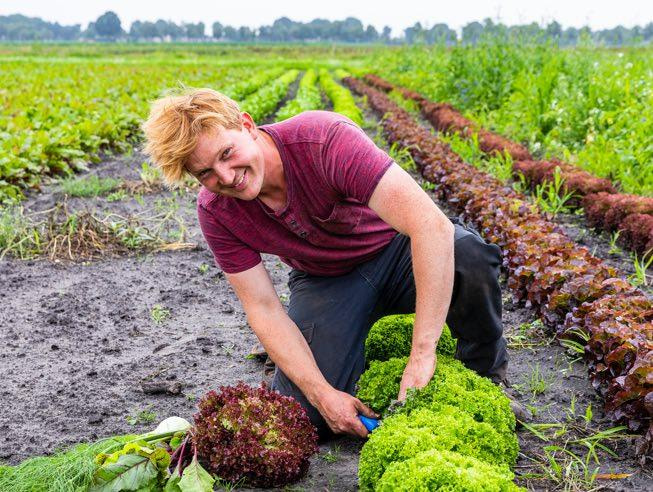
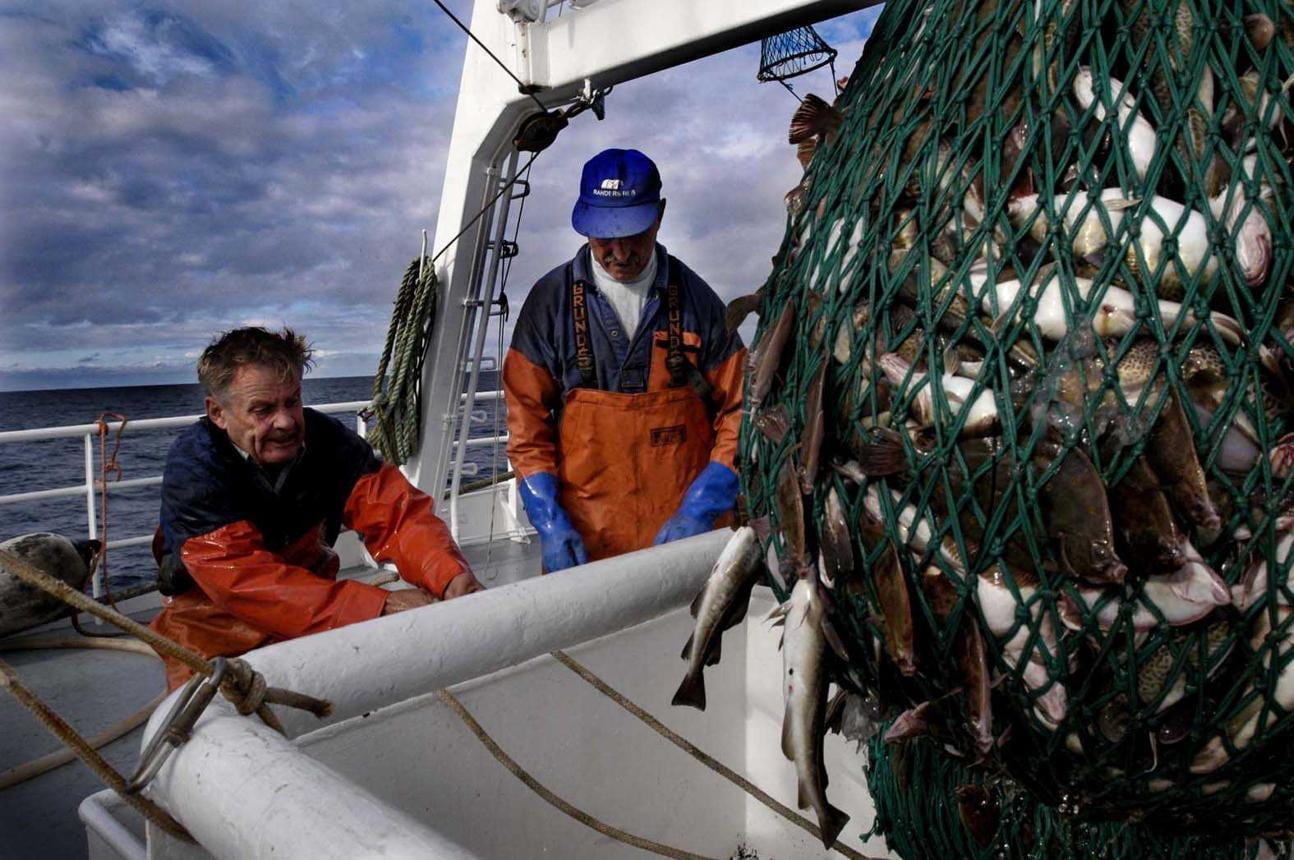
The Council position keeps continuity clauses for farmers and fishing communities, who feared their dedicated funds would dissolve into a generic pot. It also presses for clearer links between money and results, the conditionality that has become a fixture of EU funding since the pandemic recovery instrument.
What the agreement does not settle is the balance of power. The Parliament has yet to fix its own line, and its regional development committee has signalled it will fight to protect the role of elected regional bodies. With both institutions expected to land their positions toward the end of the year, the negotiation that follows will decide whether cohesion remains a partnership between the Union, capitals and regions, or becomes a transfer that capitals alone control. For places like Katowice, still managing a transition away from coal, the question is whether the next decade of investment answers to a regional plan they helped write, or to a national one handed down.