August 9, 2026
LATEST
New EU Gas Market Rules Take Effect With Consumer SafeguardsDeforestation Regulation Holds Its December Deadline Despite CutsDigital Omnibus Delays Europe’s High-Risk AI Deadline to 2027Europe’s Schools Confront a Widening Basic Skills GapRule of Law Report Finds Progress but Trust Still LagsIRIS2 Gains 66 Satellites as Brussels Signs the Rollout DealNature Restoration Plans Come Due as Member States Race a DeadlineECB Rates Hold at 2.25 Percent as Frankfurt Waits on the DataEU Budget Talks Turn to Cohesion as Ireland Takes OverWildfire Response Stretches Europe’s Emergency Fleet ThinCan Europe’s Quantum Plan Match Its Big Ambitions?Armenia Edges West as Moscow’s Grip Slips AwayEurope Inherits the World’s Aid Bill It Cannot Fully PayAir Passenger Rights Get Their First Overhaul in Two DecadesErasmus Opens a 5 Billion Euro Round for Skills and MobilityCeuta Crisis Pushes the EU Toward Faster Migrant ReturnsBulky Parcels Face a Packaging Crackdown From August 12Can Europe Build Its Drone Wall Before 2030 Arrives?Indonesia’s Trade Deal With Europe Nears Its Final SignatureEurope Leans on Beijing to Keep Climate Talks Alive Before AntalyaNew EU Gas Market Rules Take Effect With Consumer SafeguardsDeforestation Regulation Holds Its December Deadline Despite CutsDigital Omnibus Delays Europe’s High-Risk AI Deadline to 2027Europe’s Schools Confront a Widening Basic Skills GapRule of Law Report Finds Progress but Trust Still LagsIRIS2 Gains 66 Satellites as Brussels Signs the Rollout DealNature Restoration Plans Come Due as Member States Race a DeadlineECB Rates Hold at 2.25 Percent as Frankfurt Waits on the DataEU Budget Talks Turn to Cohesion as Ireland Takes OverWildfire Response Stretches Europe’s Emergency Fleet ThinCan Europe’s Quantum Plan Match Its Big Ambitions?Armenia Edges West as Moscow’s Grip Slips AwayEurope Inherits the World’s Aid Bill It Cannot Fully PayAir Passenger Rights Get Their First Overhaul in Two DecadesErasmus Opens a 5 Billion Euro Round for Skills and MobilityCeuta Crisis Pushes the EU Toward Faster Migrant ReturnsBulky Parcels Face a Packaging Crackdown From August 12Can Europe Build Its Drone Wall Before 2030 Arrives?Indonesia’s Trade Deal With Europe Nears Its Final SignatureEurope Leans on Beijing to Keep Climate Talks Alive Before Antalya
August 9, 2026
LATEST
New EU Gas Market Rules Take Effect With Consumer SafeguardsDeforestation Regulation Holds Its December Deadline Despite CutsDigital Omnibus Delays Europe’s High-Risk AI Deadline to 2027Europe’s Schools Confront a Widening Basic Skills GapRule of Law Report Finds Progress but Trust Still LagsIRIS2 Gains 66 Satellites as Brussels Signs the Rollout DealNature Restoration Plans Come Due as Member States Race a DeadlineECB Rates Hold at 2.25 Percent as Frankfurt Waits on the DataEU Budget Talks Turn to Cohesion as Ireland Takes OverWildfire Response Stretches Europe’s Emergency Fleet ThinCan Europe’s Quantum Plan Match Its Big Ambitions?Armenia Edges West as Moscow’s Grip Slips AwayEurope Inherits the World’s Aid Bill It Cannot Fully PayAir Passenger Rights Get Their First Overhaul in Two DecadesErasmus Opens a 5 Billion Euro Round for Skills and MobilityCeuta Crisis Pushes the EU Toward Faster Migrant ReturnsBulky Parcels Face a Packaging Crackdown From August 12Can Europe Build Its Drone Wall Before 2030 Arrives?Indonesia’s Trade Deal With Europe Nears Its Final SignatureEurope Leans on Beijing to Keep Climate Talks Alive Before AntalyaNew EU Gas Market Rules Take Effect With Consumer SafeguardsDeforestation Regulation Holds Its December Deadline Despite CutsDigital Omnibus Delays Europe’s High-Risk AI Deadline to 2027Europe’s Schools Confront a Widening Basic Skills GapRule of Law Report Finds Progress but Trust Still LagsIRIS2 Gains 66 Satellites as Brussels Signs the Rollout DealNature Restoration Plans Come Due as Member States Race a DeadlineECB Rates Hold at 2.25 Percent as Frankfurt Waits on the DataEU Budget Talks Turn to Cohesion as Ireland Takes OverWildfire Response Stretches Europe’s Emergency Fleet ThinCan Europe’s Quantum Plan Match Its Big Ambitions?Armenia Edges West as Moscow’s Grip Slips AwayEurope Inherits the World’s Aid Bill It Cannot Fully PayAir Passenger Rights Get Their First Overhaul in Two DecadesErasmus Opens a 5 Billion Euro Round for Skills and MobilityCeuta Crisis Pushes the EU Toward Faster Migrant ReturnsBulky Parcels Face a Packaging Crackdown From August 12Can Europe Build Its Drone Wall Before 2030 Arrives?Indonesia’s Trade Deal With Europe Nears Its Final SignatureEurope Leans on Beijing to Keep Climate Talks Alive Before Antalya

Return Hubs Anchor the Toughest Phase of the Asylum Pact

Lampedusa: The islands and land frontiers where migrants first reach Europe are now the proving ground for a set of rules years in the making. On 12 June the New Pact on Migration and Asylum entered into application, obliging member states to share more evenly the cost and effort of hosting arrivals and rewriting the procedures that govern asylum and the Union’s external borders.

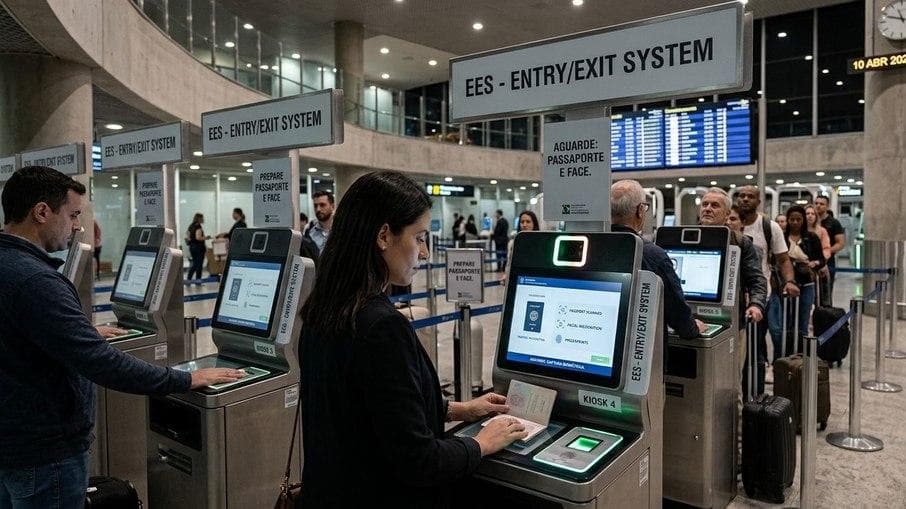
The Pact is not a single law but a package of ten legislative acts. Together they impose mandatory registration, identity checks and security, health and vulnerability screening on everyone who arrives irregularly, before a faster procedure sorts genuine protection claims from those with no right to stay. Clear rules assign responsibility for each application, and a solidarity mechanism is meant to help countries under the heaviest pressure, whether through relocations or financial contributions from states that prefer not to take people in.

The hardest part politically is what happens to those refused. In June the co-legislators agreed a new Return Regulation to streamline removals and, most controversially, to allow so-called return hubs outside the Union’s territory, facilities in third countries that would hold people who have exhausted their right to remain while arrangements are made to send them home. Frontex, the Union’s border agency, is cast in a supporting role across the process, from preparing returns to organising operations and assisting reintegration afterwards.

Supporters present the architecture as the only way to reconcile two things Europeans say they want: an asylum system that genuinely protects the persecuted, and borders that are not simply open to all. By speeding decisions and making returns more credible, they argue, the Pact removes the incentive for dangerous, smuggler-driven journeys and restores public trust that has frayed across a decade of crisis.

Critics are unconvinced, and some are alarmed. The Union’s own Fundamental Rights Agency has stressed the need to safeguard rights as the rules take effect, and campaigners fear that offshore return hubs risk exporting responsibility for vulnerable people to countries with weaker protections. Frontline governments, meanwhile, question whether the screening and detention capacity the Pact assumes actually exists on the ground; building it takes staff, money and time that the calendar does not obviously allow.

The deeper test is whether solidarity holds once the system is under strain. Every previous attempt to distribute responsibility across the Union foundered when arrivals surged and capitals reached for national exceptions. The Pact tries to lock in cooperation through law rather than goodwill. Whether that proves durable will be decided not in the negotiating rooms but on beaches, at land crossings and in the return centres now being built, where abstract compromise meets the people it was written about.