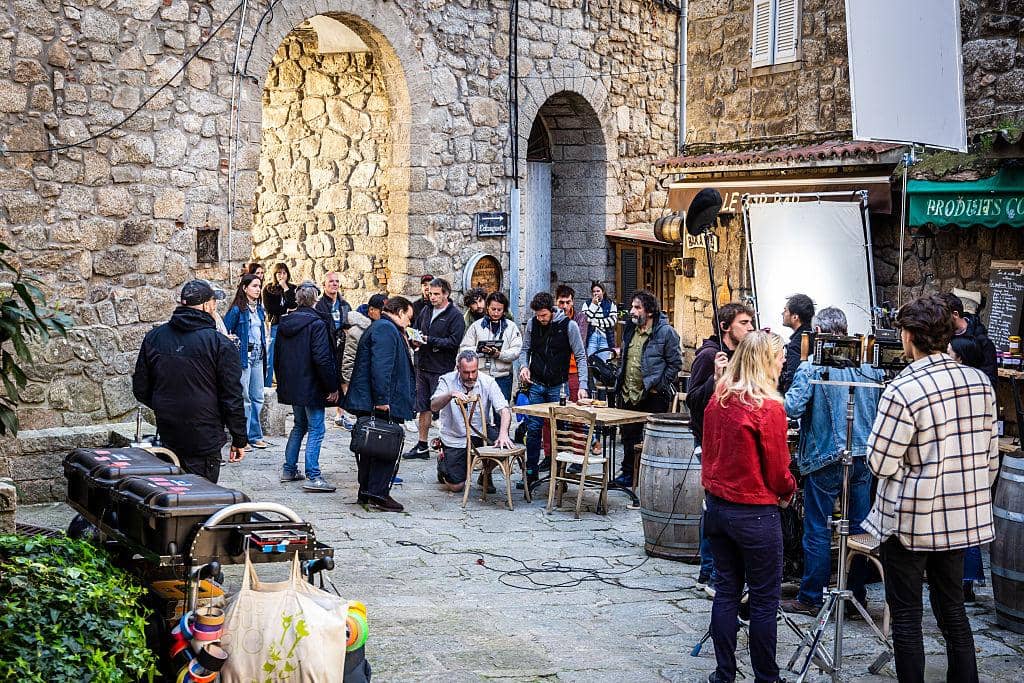
Krakow: As the bloc’s flagship audiovisual support scheme marks thirty-five years of backing European film and television, a quieter anxiety is surfacing beneath the anniversary. The worry is not about the blockbusters and festival darlings the programme helps finance, but about the small local outlets disappearing from towns and villages, leaving what regional officials have begun to call media deserts. The Committee of the Regions used a recent plenary to press the case that local and regional authorities must be written into the design and governance of the bloc’s media and culture initiatives, not treated as an afterthought once the money is allocated.
The demand reflects a structural shift the funding architecture has been slow to track. The MEDIA strand of the Creative Europe programme was built in an era of cinema distribution and national broadcasters, and it has adapted gamely to streaming, video games and immersive content. But the collapse of local advertising and the consolidation of newsrooms have hollowed out the journalism closest to citizens, particularly in rural areas where a single closure can leave a community without any dedicated coverage of its councils, courts or schools. The regional representatives argue that public service broadcasting and local media production deserve dedicated support precisely because the market has stopped sustaining them.
Creative Europe carries a budget of three hundred and eighty million for the year, devoted to safeguarding cultural diversity and strengthening the competitiveness of the cultural and creative sectors. Its objectives stretch across protecting democracy, advancing the green and digital transitions and building social and economic resilience, with the responsible use of artificial intelligence flagged as a cross-cutting challenge the programme must address head on. That last point lands sharply on a sector already destabilised by automated content and synthetic media, where the line between tool and threat is far from settled for working journalists and creators.
The tension running through the anniversary is one of scale against locality. The programme’s instincts, and much of its budget, favour content that travels, the European co-productions and audiovisual works able to cross borders and compete with imports. Local journalism, by contrast, is valuable precisely because it does not travel. A newsroom covering one region’s politics serves a defined community and little beyond it, which makes it a poor fit for instruments designed to reward reach. The regions are effectively asking the bloc to value media for its civic function rather than its export potential, a reorientation the current framework was never built to make.
Whether that plea reshapes the programme is uncertain. The annual work plan sets continuity as its watchword, and continuity rarely produces the structural rethink the regional authorities are demanding. Their opinions carry weight as a political signal but not as binding instruction, and the budget is already committed across competing priorities. Still, the framing has shifted the conversation. An anniversary that might have celebrated three and a half decades of cinematic success is instead prompting questions about what the bloc’s cultural policy is ultimately for, and whether a strategy tuned to content that crosses borders can also protect the journalism that never leaves home. The answer matters for democratic life in places where the local paper is already gone.