August 9, 2026
LATEST
New EU Gas Market Rules Take Effect With Consumer SafeguardsDeforestation Regulation Holds Its December Deadline Despite CutsDigital Omnibus Delays Europe’s High-Risk AI Deadline to 2027Europe’s Schools Confront a Widening Basic Skills GapRule of Law Report Finds Progress but Trust Still LagsIRIS2 Gains 66 Satellites as Brussels Signs the Rollout DealNature Restoration Plans Come Due as Member States Race a DeadlineECB Rates Hold at 2.25 Percent as Frankfurt Waits on the DataEU Budget Talks Turn to Cohesion as Ireland Takes OverWildfire Response Stretches Europe’s Emergency Fleet ThinCan Europe’s Quantum Plan Match Its Big Ambitions?Armenia Edges West as Moscow’s Grip Slips AwayEurope Inherits the World’s Aid Bill It Cannot Fully PayAir Passenger Rights Get Their First Overhaul in Two DecadesErasmus Opens a 5 Billion Euro Round for Skills and MobilityCeuta Crisis Pushes the EU Toward Faster Migrant ReturnsBulky Parcels Face a Packaging Crackdown From August 12Can Europe Build Its Drone Wall Before 2030 Arrives?Indonesia’s Trade Deal With Europe Nears Its Final SignatureEurope Leans on Beijing to Keep Climate Talks Alive Before AntalyaNew EU Gas Market Rules Take Effect With Consumer SafeguardsDeforestation Regulation Holds Its December Deadline Despite CutsDigital Omnibus Delays Europe’s High-Risk AI Deadline to 2027Europe’s Schools Confront a Widening Basic Skills GapRule of Law Report Finds Progress but Trust Still LagsIRIS2 Gains 66 Satellites as Brussels Signs the Rollout DealNature Restoration Plans Come Due as Member States Race a DeadlineECB Rates Hold at 2.25 Percent as Frankfurt Waits on the DataEU Budget Talks Turn to Cohesion as Ireland Takes OverWildfire Response Stretches Europe’s Emergency Fleet ThinCan Europe’s Quantum Plan Match Its Big Ambitions?Armenia Edges West as Moscow’s Grip Slips AwayEurope Inherits the World’s Aid Bill It Cannot Fully PayAir Passenger Rights Get Their First Overhaul in Two DecadesErasmus Opens a 5 Billion Euro Round for Skills and MobilityCeuta Crisis Pushes the EU Toward Faster Migrant ReturnsBulky Parcels Face a Packaging Crackdown From August 12Can Europe Build Its Drone Wall Before 2030 Arrives?Indonesia’s Trade Deal With Europe Nears Its Final SignatureEurope Leans on Beijing to Keep Climate Talks Alive Before Antalya
August 9, 2026
LATEST
New EU Gas Market Rules Take Effect With Consumer SafeguardsDeforestation Regulation Holds Its December Deadline Despite CutsDigital Omnibus Delays Europe’s High-Risk AI Deadline to 2027Europe’s Schools Confront a Widening Basic Skills GapRule of Law Report Finds Progress but Trust Still LagsIRIS2 Gains 66 Satellites as Brussels Signs the Rollout DealNature Restoration Plans Come Due as Member States Race a DeadlineECB Rates Hold at 2.25 Percent as Frankfurt Waits on the DataEU Budget Talks Turn to Cohesion as Ireland Takes OverWildfire Response Stretches Europe’s Emergency Fleet ThinCan Europe’s Quantum Plan Match Its Big Ambitions?Armenia Edges West as Moscow’s Grip Slips AwayEurope Inherits the World’s Aid Bill It Cannot Fully PayAir Passenger Rights Get Their First Overhaul in Two DecadesErasmus Opens a 5 Billion Euro Round for Skills and MobilityCeuta Crisis Pushes the EU Toward Faster Migrant ReturnsBulky Parcels Face a Packaging Crackdown From August 12Can Europe Build Its Drone Wall Before 2030 Arrives?Indonesia’s Trade Deal With Europe Nears Its Final SignatureEurope Leans on Beijing to Keep Climate Talks Alive Before AntalyaNew EU Gas Market Rules Take Effect With Consumer SafeguardsDeforestation Regulation Holds Its December Deadline Despite CutsDigital Omnibus Delays Europe’s High-Risk AI Deadline to 2027Europe’s Schools Confront a Widening Basic Skills GapRule of Law Report Finds Progress but Trust Still LagsIRIS2 Gains 66 Satellites as Brussels Signs the Rollout DealNature Restoration Plans Come Due as Member States Race a DeadlineECB Rates Hold at 2.25 Percent as Frankfurt Waits on the DataEU Budget Talks Turn to Cohesion as Ireland Takes OverWildfire Response Stretches Europe’s Emergency Fleet ThinCan Europe’s Quantum Plan Match Its Big Ambitions?Armenia Edges West as Moscow’s Grip Slips AwayEurope Inherits the World’s Aid Bill It Cannot Fully PayAir Passenger Rights Get Their First Overhaul in Two DecadesErasmus Opens a 5 Billion Euro Round for Skills and MobilityCeuta Crisis Pushes the EU Toward Faster Migrant ReturnsBulky Parcels Face a Packaging Crackdown From August 12Can Europe Build Its Drone Wall Before 2030 Arrives?Indonesia’s Trade Deal With Europe Nears Its Final SignatureEurope Leans on Beijing to Keep Climate Talks Alive Before Antalya

Sanctions Busters And Phantom Invoices Drive A Record Recovery Year

Antwerp: In the warehouses and customs halls of Europe’s busiest trading hubs, the work of protecting the Union’s budget is rarely glamorous, but the numbers it produces command attention. The European Anti-Fraud Office, known as OLAF, recommended the recovery of nearly six hundred million euros of misused EU money over the past year, according to its latest annual report, while a further eighteen million was prevented from being wrongly spent. For an office that operates largely out of public view, it was a reminder of how much leaks from a budget that funds everything from farms to research labs.

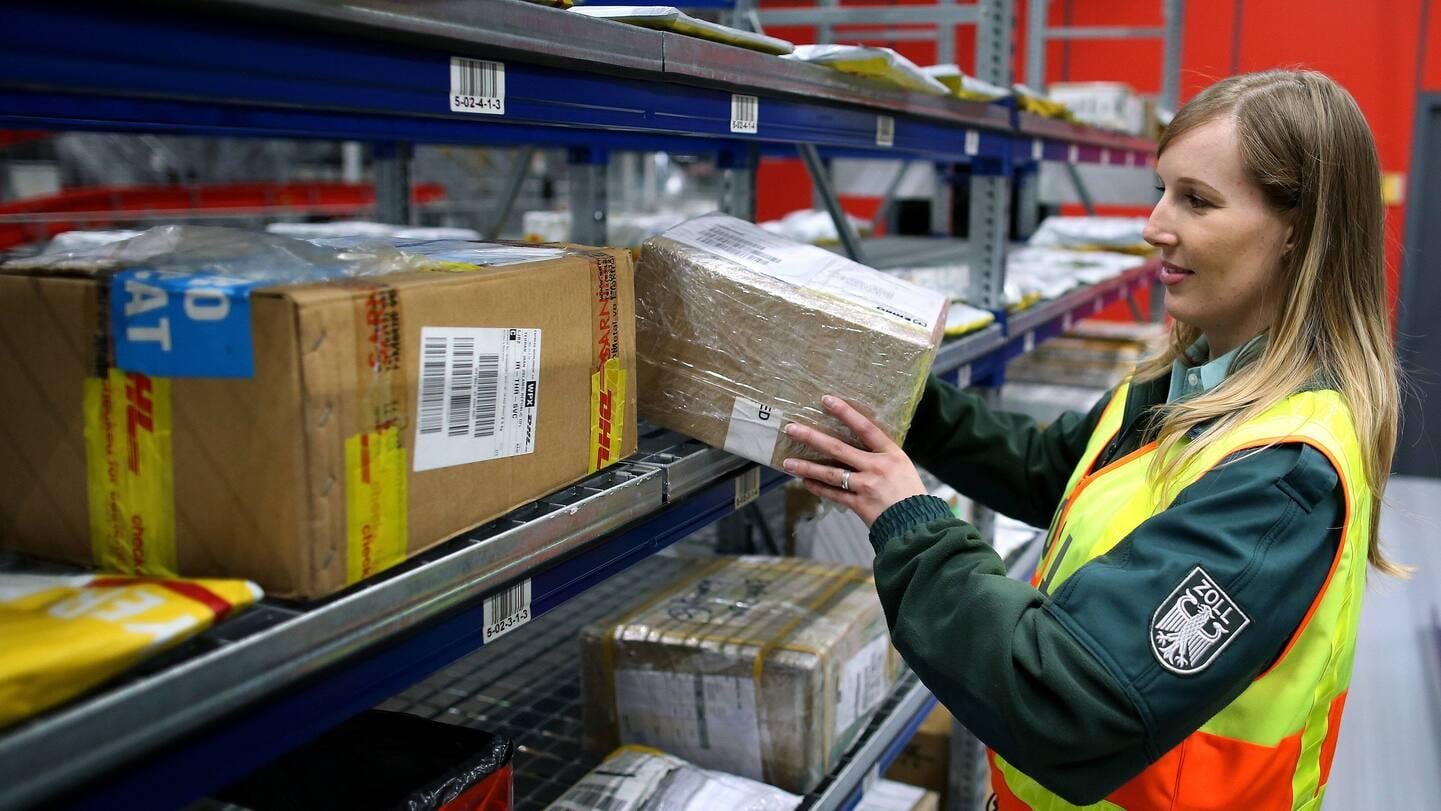
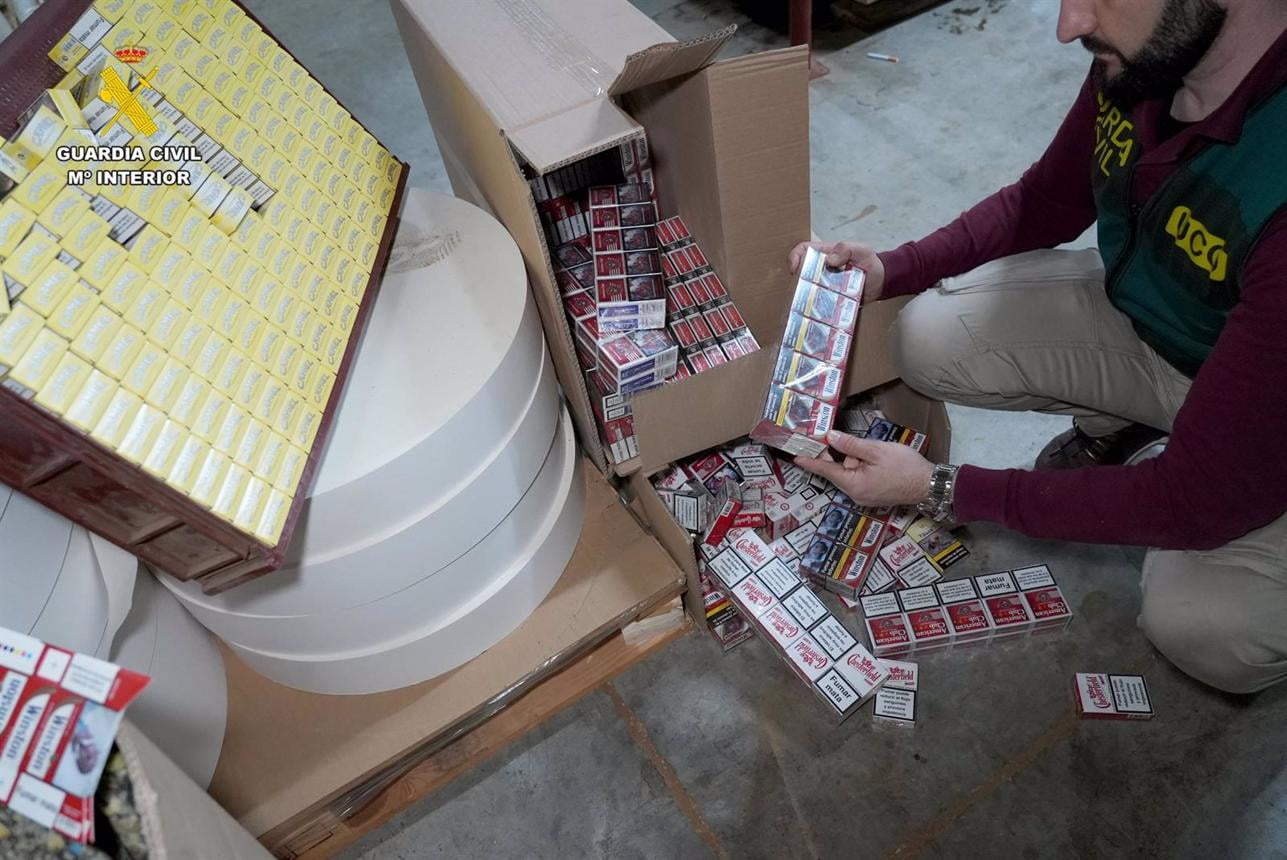
The caseload tells its own story. Investigators closed more than two hundred inquiries during the year and opened over two hundred and fifty new ones, spanning financial irregularities in subsidised projects, cross-border smuggling, customs violations and environmental fraud. A notable strand involved attempts to circumvent the sanctions the bloc has imposed on Russia and Belarus, as traders sought to disguise the origin or destination of goods and slip past restrictions. The breadth of the work underscores how fraud against the Union has grown more sophisticated, shifting from simple false claims toward elaborate schemes that exploit gaps between national systems.

Viewed over a longer horizon, the office’s impact is larger still. Across the past decade its investigations have helped recover or protect billions of euros for the common budget, money that would otherwise have vanished into inflated invoices, fictitious suppliers and diverted grants. Officials argue that every euro spent on detection returns many times over, both in funds clawed back and in deterrence, as would-be fraudsters weigh the rising odds of being caught.

This year’s report carried a procedural innovation that may prove as consequential as the headline figures. Alongside its findings, the office set out recommended actions for the authorities and institutions that manage EU money, an attempt to move from policing individual cases toward fixing the weaknesses that let fraud happen in the first place. The logic is that recovering stolen funds after the fact is always second best to designing programmes that are harder to abuse, and that national agencies, which administer the bulk of EU spending, need clearer guidance on where the risks lie.

That shift matters because the next long-term budget will channel vast sums through new instruments, from defence to the green transition, each carrying fresh opportunities for abuse. Anti-fraud specialists warn that money disbursed quickly, under political pressure to show results, is money that demands tighter controls, not looser ones. The office’s growing emphasis on prevention reflects a recognition that enforcement alone cannot keep pace with the scale of spending.

For taxpayers across the bloc, the report offers a measure of reassurance and a warning in equal parts. The system catches a great deal, recovers much of what it finds, and is learning to close the gaps before they are exploited. But the persistence of sanctions-busting, customs fraud and phantom claims shows that the guardians of the Union’s purse can expect no shortage of work in the years ahead.