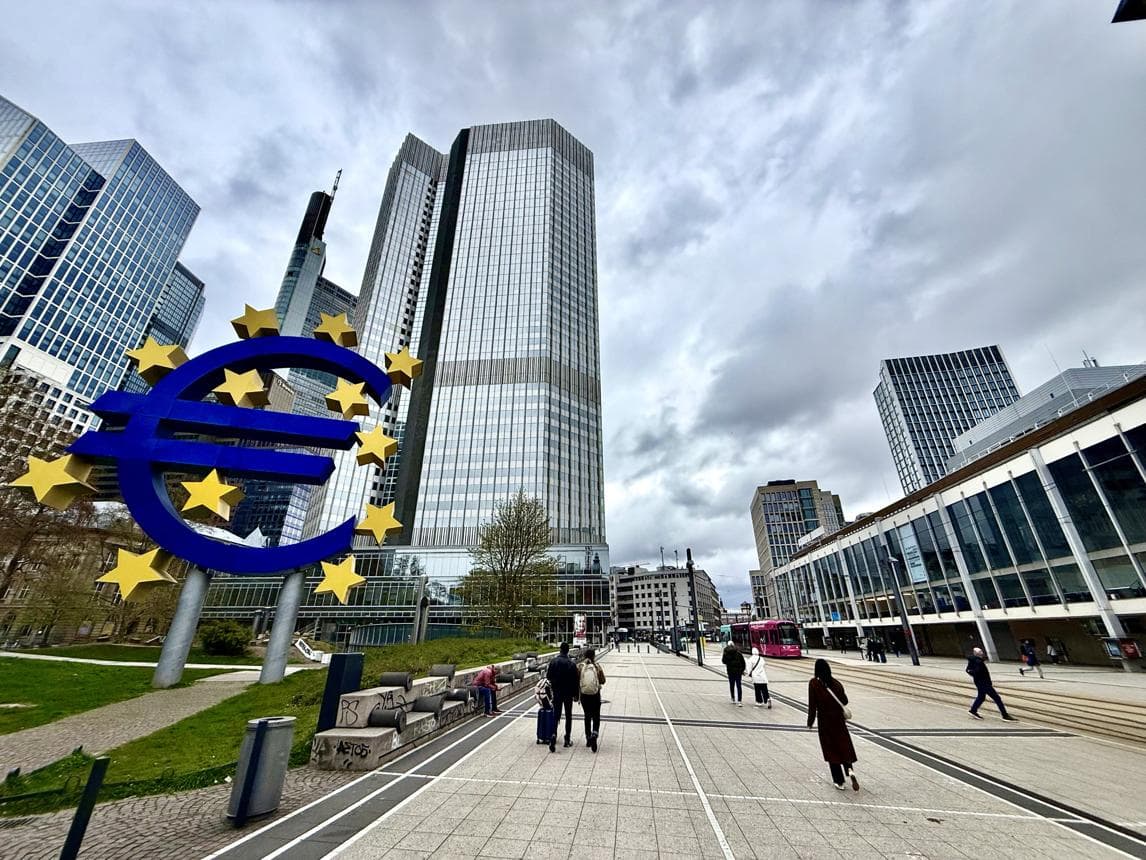
Frankfurt: Europe’s households are, by global standards, extraordinarily thrifty, and that virtue has become one of the continent’s most expensive frustrations. Trillions of euros sit in low-yielding bank deposits and savings accounts, earning little and financing even less of the investment the bloc says it desperately needs. Closing the distance between Europe’s abundant savings and its productive capital is the ambition that animates a flurry of recent activity from the European Central Bank and the Commission.
The ECB returned to the theme in early June with its report on financial integration in the euro area, the latest in a long line of documents arguing that the bloc’s capital markets remain too shallow and too fragmented to do the job an integrated economy requires. The report found integration improving at the margins while persistent fragmentation along national lines continues to hold the system back. A bank or an investor in one member state still faces a thicket of differing rules, supervisors and insolvency regimes the moment they cross a border, and that friction keeps capital penned within national fences.
The policy answer carries a new label, the savings and investments union, an evolution of the older capital markets union project that had spent the better part of a decade producing communiques rather than results. The reframing is deliberate. By putting savers at the centre, officials hope to make an abstract integration agenda tangible to citizens who might reasonably wonder why their deposits earn so little while companies complain they cannot raise growth capital at home. The Commission opened a consultation in February on the competitiveness of the bloc’s banking sector, and the Eurosystem set out a payment strategy in the spring meant to keep central-bank money at the anchor of the system as private and digital alternatives proliferate.
Why this matters is a question of strategic capacity as much as household returns. Europe has set itself enormous bills, for defence, for the green and digital transitions, for the competitiveness revival its own reports insist is overdue. Public budgets cannot cover them alone, and the bloc’s leaders increasingly argue that mobilising private savings is the only realistic route. Yet capital that cannot move freely across borders cannot be pooled at the scale those ambitions demand. The United States, with its single deep market, can channel domestic savings into domestic enterprise far more efficiently, and that gap in financial plumbing has become a recurring lament in Frankfurt and Brussels alike.
The obstacles are well rehearsed and stubborn. Harmonising insolvency law, supervision and taxation touches national prerogatives that governments guard jealously, and previous integration drives foundered precisely there. Banks themselves are divided, some welcoming a larger single market, others wary of fiercer competition.
What comes next will test whether the new branding can deliver what the old one could not. The ECB has called for an ambitious timetable, the Commission is assembling its proposals, and the coming months will show whether member states are finally willing to surrender the national controls that keep Europe’s savings, and its ambitions, smaller than they need to be.