August 9, 2026
LATEST
New EU Gas Market Rules Take Effect With Consumer SafeguardsDeforestation Regulation Holds Its December Deadline Despite CutsDigital Omnibus Delays Europe’s High-Risk AI Deadline to 2027Europe’s Schools Confront a Widening Basic Skills GapRule of Law Report Finds Progress but Trust Still LagsIRIS2 Gains 66 Satellites as Brussels Signs the Rollout DealNature Restoration Plans Come Due as Member States Race a DeadlineECB Rates Hold at 2.25 Percent as Frankfurt Waits on the DataEU Budget Talks Turn to Cohesion as Ireland Takes OverWildfire Response Stretches Europe’s Emergency Fleet ThinCan Europe’s Quantum Plan Match Its Big Ambitions?Armenia Edges West as Moscow’s Grip Slips AwayEurope Inherits the World’s Aid Bill It Cannot Fully PayAir Passenger Rights Get Their First Overhaul in Two DecadesErasmus Opens a 5 Billion Euro Round for Skills and MobilityCeuta Crisis Pushes the EU Toward Faster Migrant ReturnsBulky Parcels Face a Packaging Crackdown From August 12Can Europe Build Its Drone Wall Before 2030 Arrives?Indonesia’s Trade Deal With Europe Nears Its Final SignatureEurope Leans on Beijing to Keep Climate Talks Alive Before AntalyaNew EU Gas Market Rules Take Effect With Consumer SafeguardsDeforestation Regulation Holds Its December Deadline Despite CutsDigital Omnibus Delays Europe’s High-Risk AI Deadline to 2027Europe’s Schools Confront a Widening Basic Skills GapRule of Law Report Finds Progress but Trust Still LagsIRIS2 Gains 66 Satellites as Brussels Signs the Rollout DealNature Restoration Plans Come Due as Member States Race a DeadlineECB Rates Hold at 2.25 Percent as Frankfurt Waits on the DataEU Budget Talks Turn to Cohesion as Ireland Takes OverWildfire Response Stretches Europe’s Emergency Fleet ThinCan Europe’s Quantum Plan Match Its Big Ambitions?Armenia Edges West as Moscow’s Grip Slips AwayEurope Inherits the World’s Aid Bill It Cannot Fully PayAir Passenger Rights Get Their First Overhaul in Two DecadesErasmus Opens a 5 Billion Euro Round for Skills and MobilityCeuta Crisis Pushes the EU Toward Faster Migrant ReturnsBulky Parcels Face a Packaging Crackdown From August 12Can Europe Build Its Drone Wall Before 2030 Arrives?Indonesia’s Trade Deal With Europe Nears Its Final SignatureEurope Leans on Beijing to Keep Climate Talks Alive Before Antalya
August 9, 2026
LATEST
New EU Gas Market Rules Take Effect With Consumer SafeguardsDeforestation Regulation Holds Its December Deadline Despite CutsDigital Omnibus Delays Europe’s High-Risk AI Deadline to 2027Europe’s Schools Confront a Widening Basic Skills GapRule of Law Report Finds Progress but Trust Still LagsIRIS2 Gains 66 Satellites as Brussels Signs the Rollout DealNature Restoration Plans Come Due as Member States Race a DeadlineECB Rates Hold at 2.25 Percent as Frankfurt Waits on the DataEU Budget Talks Turn to Cohesion as Ireland Takes OverWildfire Response Stretches Europe’s Emergency Fleet ThinCan Europe’s Quantum Plan Match Its Big Ambitions?Armenia Edges West as Moscow’s Grip Slips AwayEurope Inherits the World’s Aid Bill It Cannot Fully PayAir Passenger Rights Get Their First Overhaul in Two DecadesErasmus Opens a 5 Billion Euro Round for Skills and MobilityCeuta Crisis Pushes the EU Toward Faster Migrant ReturnsBulky Parcels Face a Packaging Crackdown From August 12Can Europe Build Its Drone Wall Before 2030 Arrives?Indonesia’s Trade Deal With Europe Nears Its Final SignatureEurope Leans on Beijing to Keep Climate Talks Alive Before AntalyaNew EU Gas Market Rules Take Effect With Consumer SafeguardsDeforestation Regulation Holds Its December Deadline Despite CutsDigital Omnibus Delays Europe’s High-Risk AI Deadline to 2027Europe’s Schools Confront a Widening Basic Skills GapRule of Law Report Finds Progress but Trust Still LagsIRIS2 Gains 66 Satellites as Brussels Signs the Rollout DealNature Restoration Plans Come Due as Member States Race a DeadlineECB Rates Hold at 2.25 Percent as Frankfurt Waits on the DataEU Budget Talks Turn to Cohesion as Ireland Takes OverWildfire Response Stretches Europe’s Emergency Fleet ThinCan Europe’s Quantum Plan Match Its Big Ambitions?Armenia Edges West as Moscow’s Grip Slips AwayEurope Inherits the World’s Aid Bill It Cannot Fully PayAir Passenger Rights Get Their First Overhaul in Two DecadesErasmus Opens a 5 Billion Euro Round for Skills and MobilityCeuta Crisis Pushes the EU Toward Faster Migrant ReturnsBulky Parcels Face a Packaging Crackdown From August 12Can Europe Build Its Drone Wall Before 2030 Arrives?Indonesia’s Trade Deal With Europe Nears Its Final SignatureEurope Leans on Beijing to Keep Climate Talks Alive Before Antalya

Shared Fish Stocks Hang On A Looming June Deadline With Britain

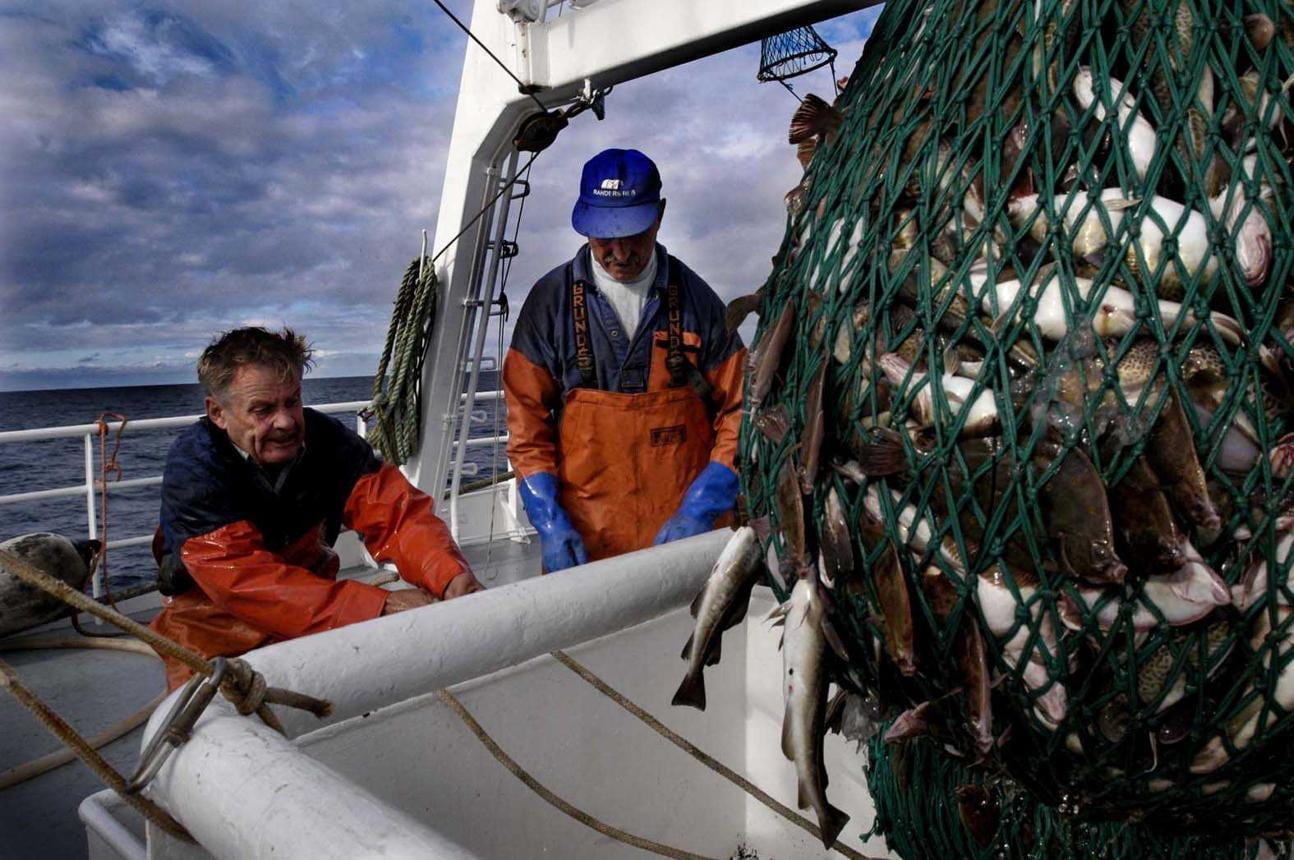
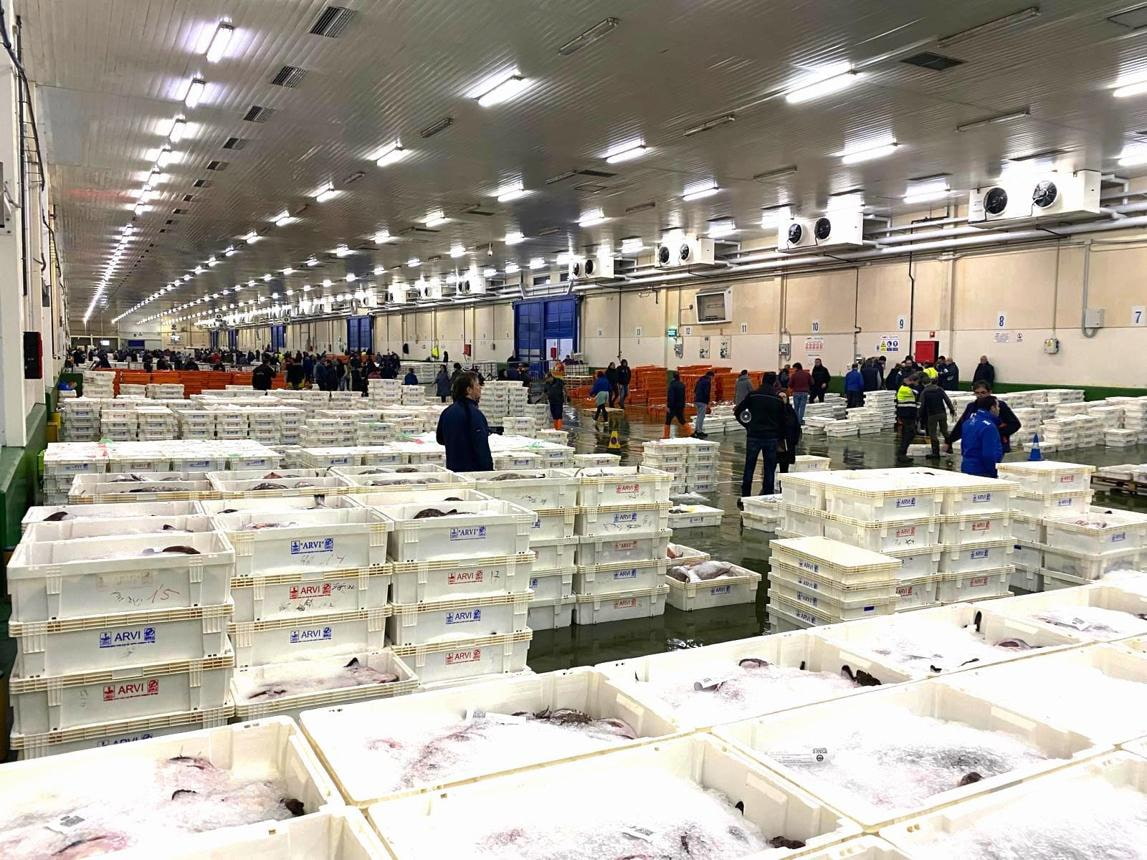
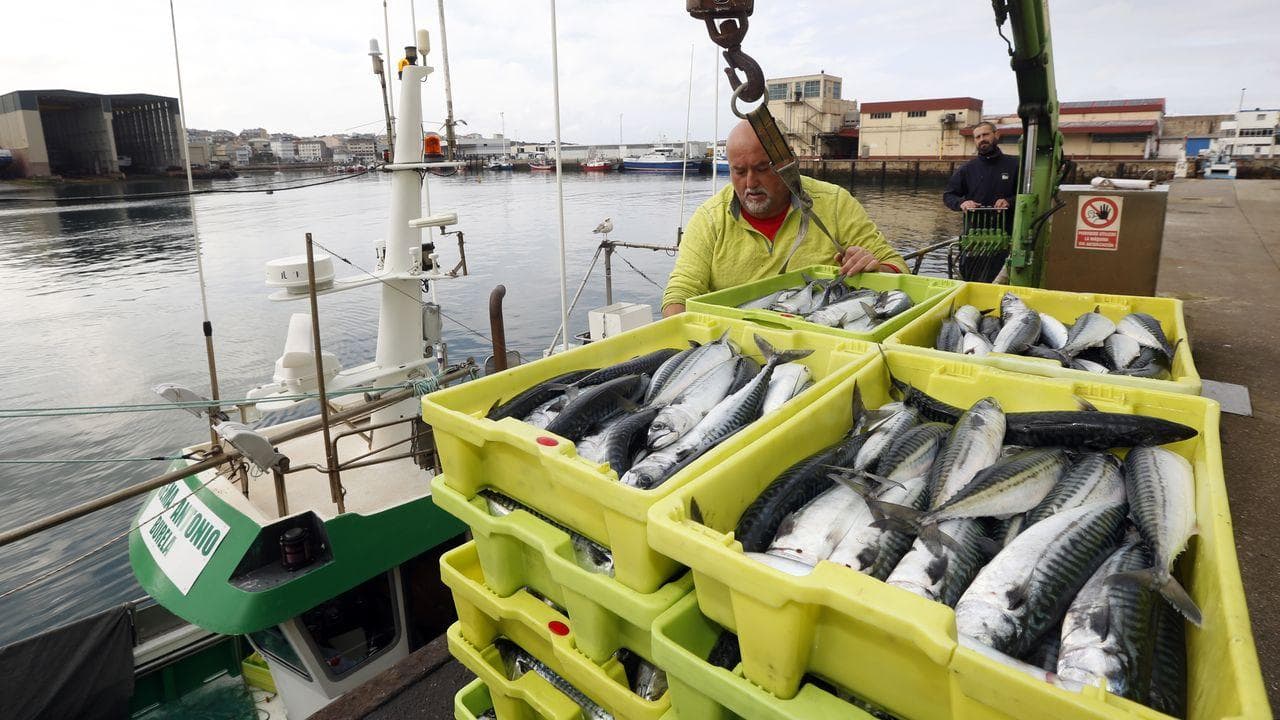
Vigo: In the quaysides of Galicia, where Europe lands more fish than almost anywhere else, the talk this month is less about catch limits than about a date on the calendar. On 30 June the transition arrangements that have governed access to British waters since Brexit reach their end, and with them the predictable, multi-year quota shares that gave skippers something to plan around. From that point, the roughly eighty-seven fish stocks shared between the European Union and the United Kingdom fall back to annual negotiation unless both sides agree to lock in a longer settlement.

The stakes are concrete. French, Spanish, Dutch, Belgian and Irish fleets have built their seasons around guaranteed access to grounds in the North Sea, the Channel and the western approaches. A return to yearly haggling raises the spectre of the brinkmanship that marked the early Brexit years, when talks ran past Christmas and crews waited to learn whether they could sail. Brussels has pressed for continuity, arguing that stable shares protect both the resource and the communities that depend on it, while London faces domestic pressure to claw back a larger slice for its own boats.

The deadline lands on top of an already delicate balance struck for 2026. Ministers agreed catch limits for the Atlantic, the North Sea, the Mediterranean and the Black Sea only after long December negotiations, raising allowances for some stocks, such as Norway lobster and southern megrim, while cutting others sharply, including sole in the Kattegat and Baltic and pollack across several zones. Those decisions reflected scientific advice on stocks that remain under strain, and fisheries managers warn that any unravelling of access rules could complicate the careful arithmetic of keeping harvests sustainable.

Beyond the immediate quota question sits a longer argument about the future of the bloc’s fishing rulebook. The Commission has promised a Pact for Fisheries and Oceans intended to bind member states and the industry more closely to the common policy’s conservation goals, while cushioning coastal economies hit by fuel costs, ageing fleets and competition for marine space from offshore wind. Critics in the sector complain that environmental ambition has too often arrived without the money to soften its impact; conservation groups counter that overfishing still threatens the very stocks that crews rely on.

For now, attention fixes on the talks with London. A failure to extend the arrangements would not halt fishing overnight, but it would inject fresh uncertainty into an industry that runs on thin margins and long horizons. In ports from Vigo to Killybegs, owners are weighing whether to invest in new vessels without knowing what waters they will be allowed to work. The coming weeks will show whether the two sides can convert a hard deadline into a durable bargain, or whether Europe’s fishers face a return to negotiating their livelihoods one year at a time.