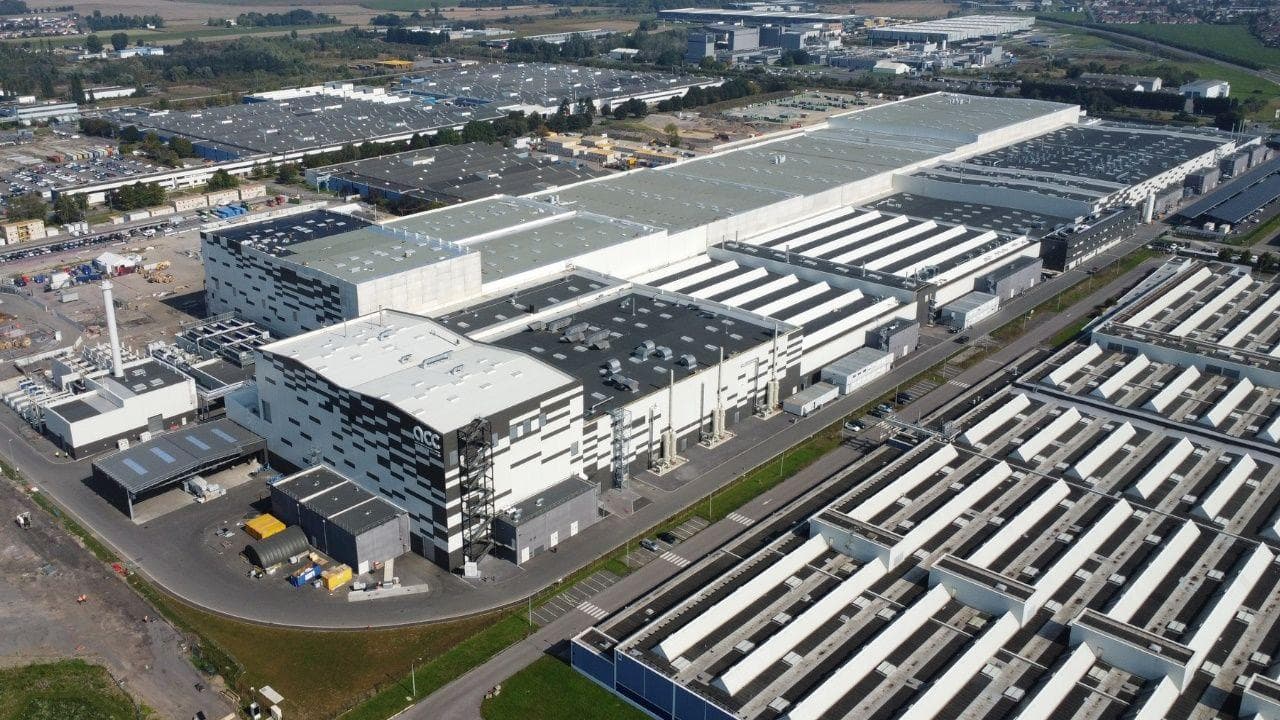
Kosice: The European Commission has signed off on a one-billion-euro Slovak scheme to subsidise clean-technology manufacturing, one of the first national programmes to clear the bloc’s new state-aid rulebook for green industry. The decision, taken on 17 June, lets Bratislava channel public money into plants that build solar panels, batteries, heat pumps, electrolysers and the components feeding them, and it offers an early read on how aggressively the Commission intends to let member states bankroll the energy transition.
The clearance came under the Clean Industrial Deal State Aid Framework, the regime adopted to replace the emergency crisis rules that governed subsidies during the energy shock. Competition officials have long guarded their power to block national handouts precisely because uncoordinated subsidy races tend to favour the deepest pockets, fragmenting the single market and rewarding the largest economies at the expense of smaller ones. Approving a Slovak scheme so early signals that the framework is operational and that capitals beyond the wealthy core can use it.
For Slovakia the timing is pointed. The country’s industrial base is anchored in carmaking, a sector lurching through the shift to electric vehicles, and eastern regions around Kosice carry the memory of heavy industry that the green economy is supposed to renew rather than abandon. State money for cleantech factories is, in part, a bet that the workers who once poured steel can be redeployed to assemble the hardware of decarbonisation, provided the plants actually get built.
The wider context is a continent loosening its traditional suspicion of subsidies. In recent months officials have waved through 1.3 billion euros of German support for renewable hydrogen and a six-billion-euro Italian hydrogen scheme, each justified as a response to American and Chinese industrial policy that no longer pretends to play by free-market rules. The Clean Industrial Deal framework codifies that pragmatism, giving member states faster routes to approval for projects that cut emissions or shore up strategic supply chains.
Critics warn that the loosening carries a familiar danger. Every euro a government spends defending its own factories is a euro that distorts competition against a rival who cannot match it, and the bloc’s poorer members rarely win subsidy contests. The Commission’s answer is that frameworks like this one impose conditions, caps and clawbacks meant to keep the spending proportionate, and that approving a Slovak scheme rather than only a German one shows the system can spread benefits. The proof will arrive in concrete and steel. If the billion euros translates into operating plants and durable jobs around Kosice, the framework will look like industrial strategy; if it produces announcements and little else, it will look like the subsidy race its own rules were written to prevent.