Brussels: Value-added tax is the unglamorous workhorse of European public finance, raising more than a trillion euro a year and touching almost every transaction. It is also a notorious source of fraud and complication, which is why the Union has embarked on a long reform known as VAT in the Digital Age. The package was adopted last year and rolls out in stages through the middle of the next decade, but several changes are already reshaping how small businesses and online sellers operate in 2026.
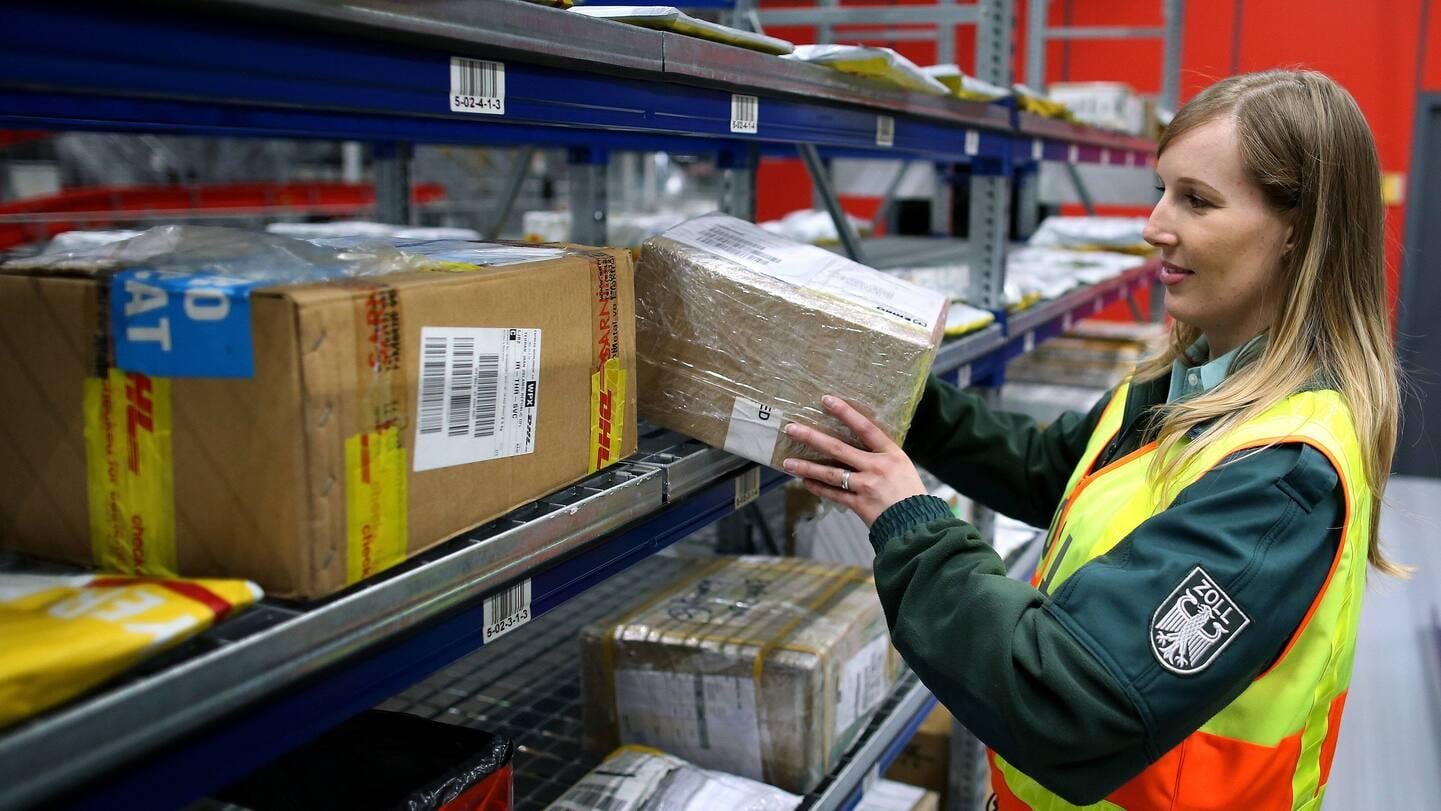
The most immediate concerns cross-border digital sales. A uniform threshold of ten thousand euro now applies across the Union for distance selling to consumers. Below that level a seller can charge the VAT rate of its home country, simplifying life for the smallest traders. Once cross-border sales to other member states pass the limit, the seller must apply the rate of each customer’s country, a rule designed to stop businesses from clustering in low-rate jurisdictions to undercut local competitors. For a craft producer in Ireland shipping to buyers in Germany and France, that means watching the threshold carefully and registering for the relevant schemes once it is crossed.
The administrative cushion is the One-Stop Shop, a portal that lets a business declare and pay VAT due across the Union through a single national registration rather than filing separately in every country where it has customers. Minor legislative clarifications affecting the One-Stop Shop and its import counterpart take effect next year, smoothing some of the rough edges that traders have flagged. The broader ambition, mandatory digital reporting of intra-Union business-to-business transactions, lands later, with the heaviest requirements arriving toward 2030.
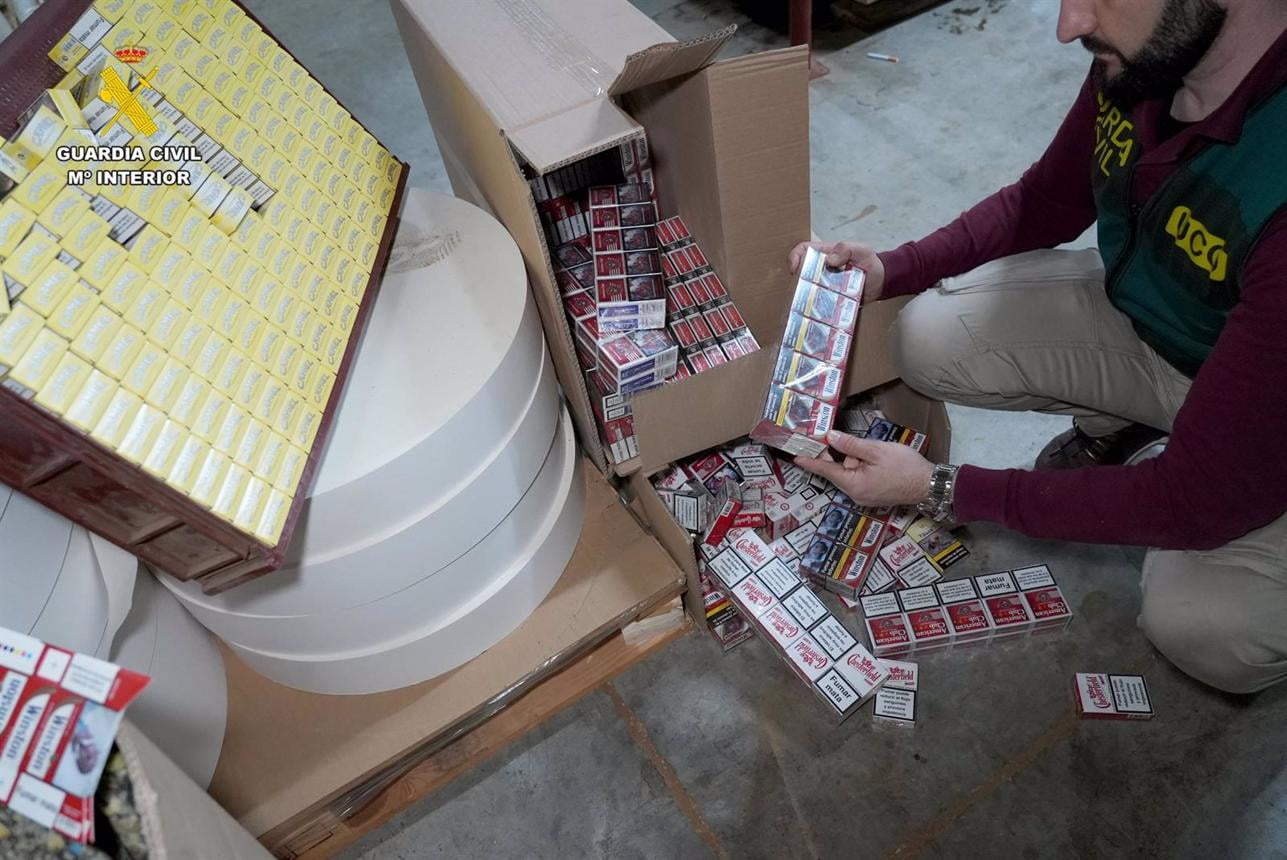
Running underneath all of this is a quieter tightening on fraud. Payment service providers now report detailed cross-border transaction data through a central system that lets tax authorities cross-check who is selling what to whom. The so-called VAT gap, the difference between tax owed and tax actually collected, has long run into the tens of billions, much of it lost to carousel schemes that exploit the seams between national systems. Better data is meant to close those seams.
The reform divides opinion. Tax authorities and larger compliant firms broadly welcome a system that is harder to game and easier to navigate through shared portals. Small sellers are more wary, fearing that thresholds, registrations and reporting obligations pile administrative weight onto businesses that lack dedicated finance teams. A micro-enterprise selling handmade goods online does not experience a One-Stop Shop as a simplification if it never expected to deal with foreign VAT at all.
The honest assessment is that the Union is trading short-term complexity for long-term coherence. A single threshold, a single portal and shared data are meant to replace a tangle of national rules with something closer to a genuine single market for sales. Whether the smallest traders feel that benefit, or merely the paperwork that comes before it, will determine how the reform is judged.