August 9, 2026
LATEST
New EU Gas Market Rules Take Effect With Consumer SafeguardsDeforestation Regulation Holds Its December Deadline Despite CutsDigital Omnibus Delays Europe’s High-Risk AI Deadline to 2027Europe’s Schools Confront a Widening Basic Skills GapRule of Law Report Finds Progress but Trust Still LagsIRIS2 Gains 66 Satellites as Brussels Signs the Rollout DealNature Restoration Plans Come Due as Member States Race a DeadlineECB Rates Hold at 2.25 Percent as Frankfurt Waits on the DataEU Budget Talks Turn to Cohesion as Ireland Takes OverWildfire Response Stretches Europe’s Emergency Fleet ThinCan Europe’s Quantum Plan Match Its Big Ambitions?Armenia Edges West as Moscow’s Grip Slips AwayEurope Inherits the World’s Aid Bill It Cannot Fully PayAir Passenger Rights Get Their First Overhaul in Two DecadesErasmus Opens a 5 Billion Euro Round for Skills and MobilityCeuta Crisis Pushes the EU Toward Faster Migrant ReturnsBulky Parcels Face a Packaging Crackdown From August 12Can Europe Build Its Drone Wall Before 2030 Arrives?Indonesia’s Trade Deal With Europe Nears Its Final SignatureEurope Leans on Beijing to Keep Climate Talks Alive Before AntalyaNew EU Gas Market Rules Take Effect With Consumer SafeguardsDeforestation Regulation Holds Its December Deadline Despite CutsDigital Omnibus Delays Europe’s High-Risk AI Deadline to 2027Europe’s Schools Confront a Widening Basic Skills GapRule of Law Report Finds Progress but Trust Still LagsIRIS2 Gains 66 Satellites as Brussels Signs the Rollout DealNature Restoration Plans Come Due as Member States Race a DeadlineECB Rates Hold at 2.25 Percent as Frankfurt Waits on the DataEU Budget Talks Turn to Cohesion as Ireland Takes OverWildfire Response Stretches Europe’s Emergency Fleet ThinCan Europe’s Quantum Plan Match Its Big Ambitions?Armenia Edges West as Moscow’s Grip Slips AwayEurope Inherits the World’s Aid Bill It Cannot Fully PayAir Passenger Rights Get Their First Overhaul in Two DecadesErasmus Opens a 5 Billion Euro Round for Skills and MobilityCeuta Crisis Pushes the EU Toward Faster Migrant ReturnsBulky Parcels Face a Packaging Crackdown From August 12Can Europe Build Its Drone Wall Before 2030 Arrives?Indonesia’s Trade Deal With Europe Nears Its Final SignatureEurope Leans on Beijing to Keep Climate Talks Alive Before Antalya
August 9, 2026
LATEST
New EU Gas Market Rules Take Effect With Consumer SafeguardsDeforestation Regulation Holds Its December Deadline Despite CutsDigital Omnibus Delays Europe’s High-Risk AI Deadline to 2027Europe’s Schools Confront a Widening Basic Skills GapRule of Law Report Finds Progress but Trust Still LagsIRIS2 Gains 66 Satellites as Brussels Signs the Rollout DealNature Restoration Plans Come Due as Member States Race a DeadlineECB Rates Hold at 2.25 Percent as Frankfurt Waits on the DataEU Budget Talks Turn to Cohesion as Ireland Takes OverWildfire Response Stretches Europe’s Emergency Fleet ThinCan Europe’s Quantum Plan Match Its Big Ambitions?Armenia Edges West as Moscow’s Grip Slips AwayEurope Inherits the World’s Aid Bill It Cannot Fully PayAir Passenger Rights Get Their First Overhaul in Two DecadesErasmus Opens a 5 Billion Euro Round for Skills and MobilityCeuta Crisis Pushes the EU Toward Faster Migrant ReturnsBulky Parcels Face a Packaging Crackdown From August 12Can Europe Build Its Drone Wall Before 2030 Arrives?Indonesia’s Trade Deal With Europe Nears Its Final SignatureEurope Leans on Beijing to Keep Climate Talks Alive Before AntalyaNew EU Gas Market Rules Take Effect With Consumer SafeguardsDeforestation Regulation Holds Its December Deadline Despite CutsDigital Omnibus Delays Europe’s High-Risk AI Deadline to 2027Europe’s Schools Confront a Widening Basic Skills GapRule of Law Report Finds Progress but Trust Still LagsIRIS2 Gains 66 Satellites as Brussels Signs the Rollout DealNature Restoration Plans Come Due as Member States Race a DeadlineECB Rates Hold at 2.25 Percent as Frankfurt Waits on the DataEU Budget Talks Turn to Cohesion as Ireland Takes OverWildfire Response Stretches Europe’s Emergency Fleet ThinCan Europe’s Quantum Plan Match Its Big Ambitions?Armenia Edges West as Moscow’s Grip Slips AwayEurope Inherits the World’s Aid Bill It Cannot Fully PayAir Passenger Rights Get Their First Overhaul in Two DecadesErasmus Opens a 5 Billion Euro Round for Skills and MobilityCeuta Crisis Pushes the EU Toward Faster Migrant ReturnsBulky Parcels Face a Packaging Crackdown From August 12Can Europe Build Its Drone Wall Before 2030 Arrives?Indonesia’s Trade Deal With Europe Nears Its Final SignatureEurope Leans on Beijing to Keep Climate Talks Alive Before Antalya

Smuggled Textiles Worth Millions Unravel in a Polish Customs Net

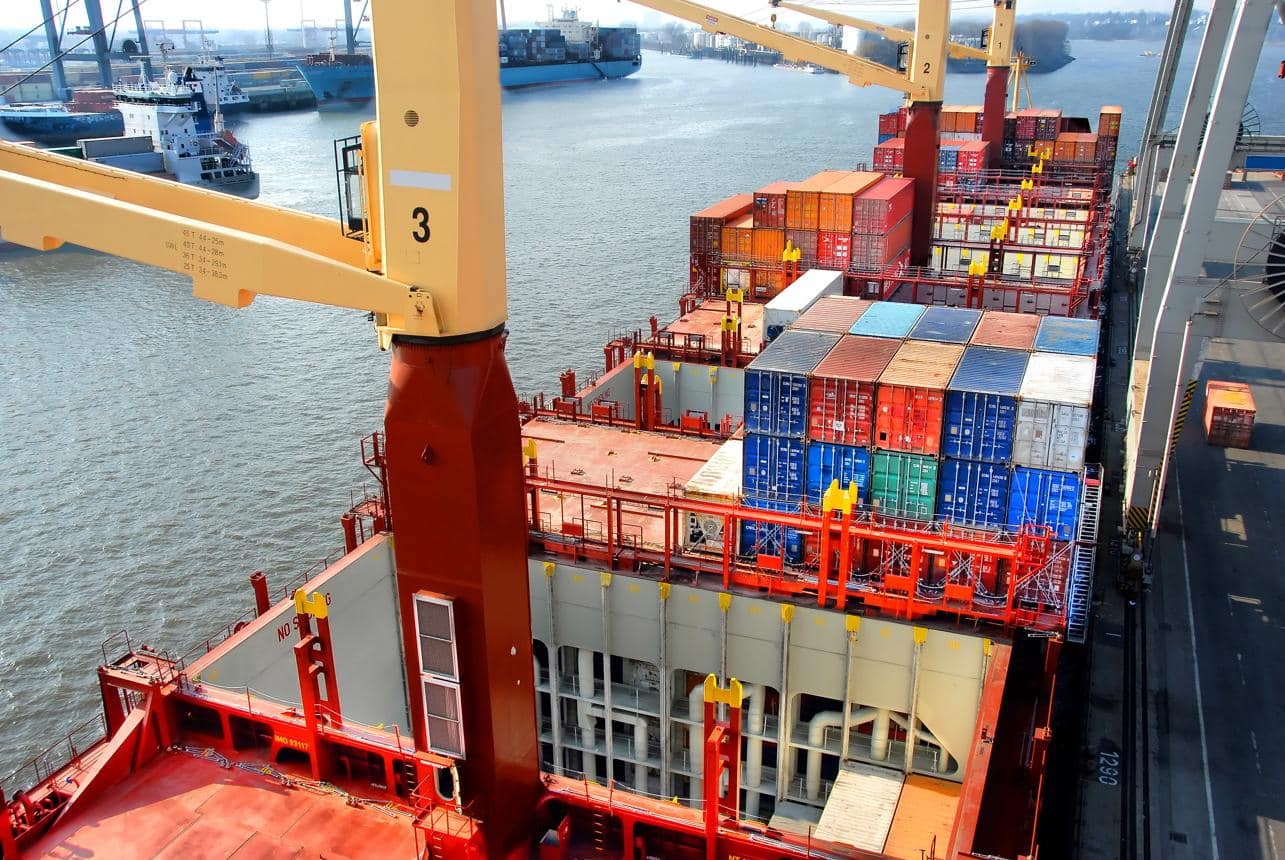
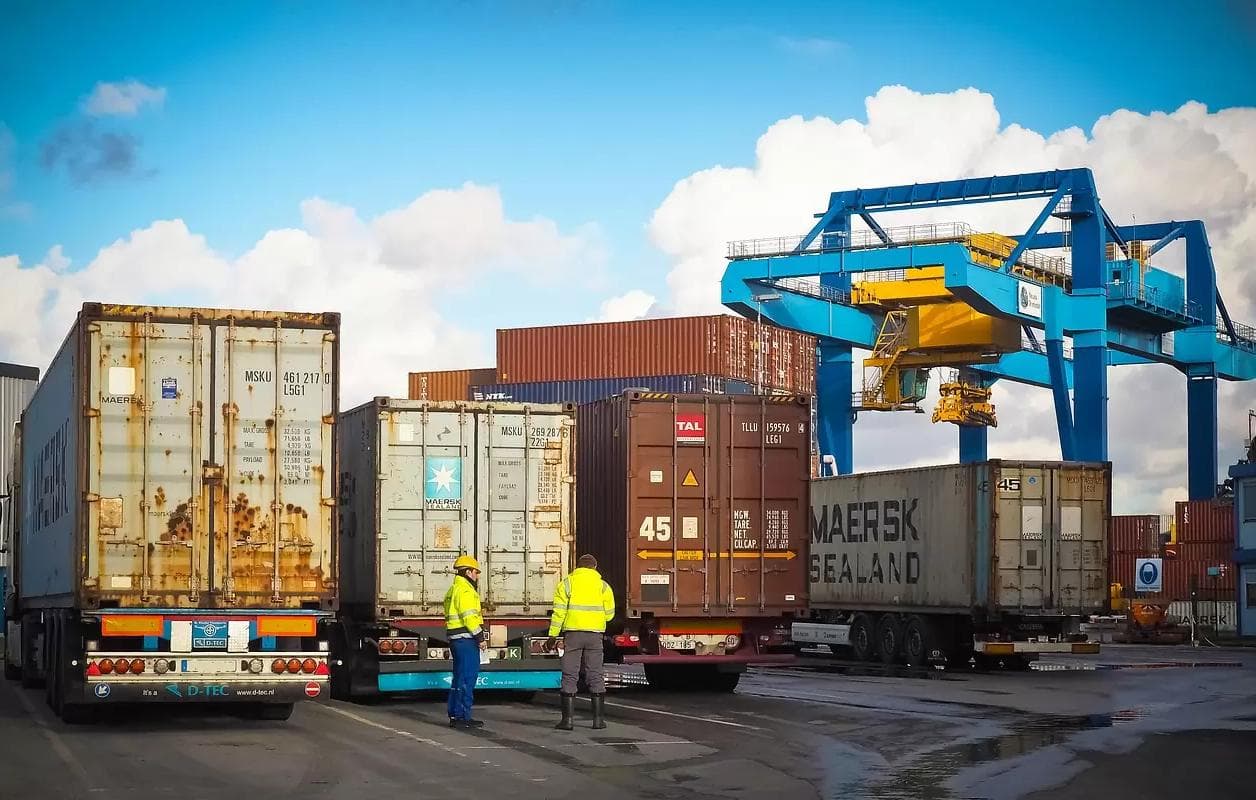
Łódź: A textile-smuggling scheme that funnelled goods into the European market while dodging the duties owed on them has come apart, after Polish customs officers, acting on intelligence shared by the EU’s anti-fraud office, seized three containers packed with almost seventy thousand kilograms of textiles. The haul is a snapshot of a quieter, less spectacular kind of cross-border crime, one that drains the public purse rather than threatens public safety.

The European Anti-Fraud Office, known by its French acronym OLAF, did not make the seizure itself. Its work, as in most such cases, was upstream and analytical, piecing together shipping data, valuations and routing patterns that flagged the consignments as suspect and passing that picture to national authorities equipped to act. The suspected mechanism is a classic of customs fraud: textiles undervalued or misdescribed on import paperwork so that the duties and taxes due on them are slashed or avoided altogether.

Why this matters is a question of arithmetic that scales alarmingly. A single undervalued container is a modest loss, but the technique is industrial. When organised networks systematically understate the value of high-volume, low-margin goods like clothing and fabric, the cumulative shortfall in customs revenue runs into hundreds of millions of euros across the bloc. Because customs duties flow to the EU’s own budget, that loss is not merely a national problem; it is a hole in the resources that fund the Union itself, ultimately backfilled by taxpayers.

There is a second victim that rarely features in the figures. Legitimate importers who declare honestly and pay in full are undercut by competitors who do not, a distortion that punishes compliance and rewards evasion. Textiles are especially exposed because margins are thin and price competition is fierce, so even a small duty advantage gained through fraud can decide who wins a contract.

The case also illustrates how the EU’s fraud defences actually function. OLAF has no police powers and cannot prosecute; it investigates, analyses and recommends, then hands its findings to member-state authorities or, increasingly, to the European Public Prosecutor’s Office for criminal follow-up. The model relies entirely on cooperation, and a seizure like this one is the visible payoff of an invisible chain of data-sharing that links Brussels analysts to a customs officer at a Polish loading dock.

The broader context is a customs system straining under the sheer volume of goods crossing the external border, a pressure that has pushed reform toward data-driven risk assessment rather than physical inspection alone. Until those new systems mature, the bloc leans on operations exactly like this, intelligence-led, narrowly targeted and dependent on tip-offs. The seventy tonnes now impounded will be valued, the duties reassessed and, where evidence supports it, prosecutions pursued. It is unglamorous work, but it is the machinery that keeps the single market’s rules from becoming optional.