August 9, 2026
LATEST
New EU Gas Market Rules Take Effect With Consumer SafeguardsDeforestation Regulation Holds Its December Deadline Despite CutsDigital Omnibus Delays Europe’s High-Risk AI Deadline to 2027Europe’s Schools Confront a Widening Basic Skills GapRule of Law Report Finds Progress but Trust Still LagsIRIS2 Gains 66 Satellites as Brussels Signs the Rollout DealNature Restoration Plans Come Due as Member States Race a DeadlineECB Rates Hold at 2.25 Percent as Frankfurt Waits on the DataEU Budget Talks Turn to Cohesion as Ireland Takes OverWildfire Response Stretches Europe’s Emergency Fleet ThinCan Europe’s Quantum Plan Match Its Big Ambitions?Armenia Edges West as Moscow’s Grip Slips AwayEurope Inherits the World’s Aid Bill It Cannot Fully PayAir Passenger Rights Get Their First Overhaul in Two DecadesErasmus Opens a 5 Billion Euro Round for Skills and MobilityCeuta Crisis Pushes the EU Toward Faster Migrant ReturnsBulky Parcels Face a Packaging Crackdown From August 12Can Europe Build Its Drone Wall Before 2030 Arrives?Indonesia’s Trade Deal With Europe Nears Its Final SignatureEurope Leans on Beijing to Keep Climate Talks Alive Before AntalyaNew EU Gas Market Rules Take Effect With Consumer SafeguardsDeforestation Regulation Holds Its December Deadline Despite CutsDigital Omnibus Delays Europe’s High-Risk AI Deadline to 2027Europe’s Schools Confront a Widening Basic Skills GapRule of Law Report Finds Progress but Trust Still LagsIRIS2 Gains 66 Satellites as Brussels Signs the Rollout DealNature Restoration Plans Come Due as Member States Race a DeadlineECB Rates Hold at 2.25 Percent as Frankfurt Waits on the DataEU Budget Talks Turn to Cohesion as Ireland Takes OverWildfire Response Stretches Europe’s Emergency Fleet ThinCan Europe’s Quantum Plan Match Its Big Ambitions?Armenia Edges West as Moscow’s Grip Slips AwayEurope Inherits the World’s Aid Bill It Cannot Fully PayAir Passenger Rights Get Their First Overhaul in Two DecadesErasmus Opens a 5 Billion Euro Round for Skills and MobilityCeuta Crisis Pushes the EU Toward Faster Migrant ReturnsBulky Parcels Face a Packaging Crackdown From August 12Can Europe Build Its Drone Wall Before 2030 Arrives?Indonesia’s Trade Deal With Europe Nears Its Final SignatureEurope Leans on Beijing to Keep Climate Talks Alive Before Antalya
August 9, 2026
LATEST
New EU Gas Market Rules Take Effect With Consumer SafeguardsDeforestation Regulation Holds Its December Deadline Despite CutsDigital Omnibus Delays Europe’s High-Risk AI Deadline to 2027Europe’s Schools Confront a Widening Basic Skills GapRule of Law Report Finds Progress but Trust Still LagsIRIS2 Gains 66 Satellites as Brussels Signs the Rollout DealNature Restoration Plans Come Due as Member States Race a DeadlineECB Rates Hold at 2.25 Percent as Frankfurt Waits on the DataEU Budget Talks Turn to Cohesion as Ireland Takes OverWildfire Response Stretches Europe’s Emergency Fleet ThinCan Europe’s Quantum Plan Match Its Big Ambitions?Armenia Edges West as Moscow’s Grip Slips AwayEurope Inherits the World’s Aid Bill It Cannot Fully PayAir Passenger Rights Get Their First Overhaul in Two DecadesErasmus Opens a 5 Billion Euro Round for Skills and MobilityCeuta Crisis Pushes the EU Toward Faster Migrant ReturnsBulky Parcels Face a Packaging Crackdown From August 12Can Europe Build Its Drone Wall Before 2030 Arrives?Indonesia’s Trade Deal With Europe Nears Its Final SignatureEurope Leans on Beijing to Keep Climate Talks Alive Before AntalyaNew EU Gas Market Rules Take Effect With Consumer SafeguardsDeforestation Regulation Holds Its December Deadline Despite CutsDigital Omnibus Delays Europe’s High-Risk AI Deadline to 2027Europe’s Schools Confront a Widening Basic Skills GapRule of Law Report Finds Progress but Trust Still LagsIRIS2 Gains 66 Satellites as Brussels Signs the Rollout DealNature Restoration Plans Come Due as Member States Race a DeadlineECB Rates Hold at 2.25 Percent as Frankfurt Waits on the DataEU Budget Talks Turn to Cohesion as Ireland Takes OverWildfire Response Stretches Europe’s Emergency Fleet ThinCan Europe’s Quantum Plan Match Its Big Ambitions?Armenia Edges West as Moscow’s Grip Slips AwayEurope Inherits the World’s Aid Bill It Cannot Fully PayAir Passenger Rights Get Their First Overhaul in Two DecadesErasmus Opens a 5 Billion Euro Round for Skills and MobilityCeuta Crisis Pushes the EU Toward Faster Migrant ReturnsBulky Parcels Face a Packaging Crackdown From August 12Can Europe Build Its Drone Wall Before 2030 Arrives?Indonesia’s Trade Deal With Europe Nears Its Final SignatureEurope Leans on Beijing to Keep Climate Talks Alive Before Antalya

Spanish Boats Win Emergency Fuel Relief As Conflict Drives Up Diesel

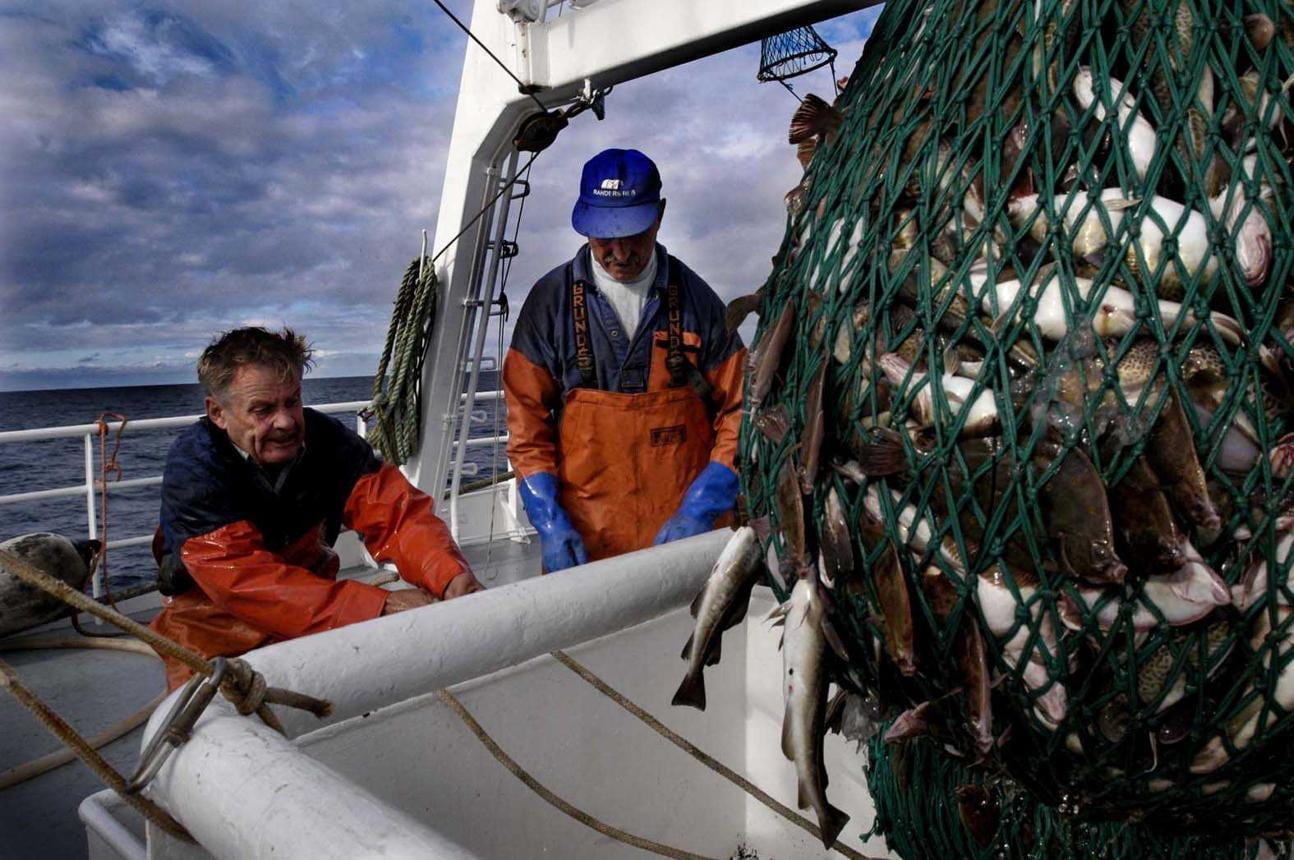
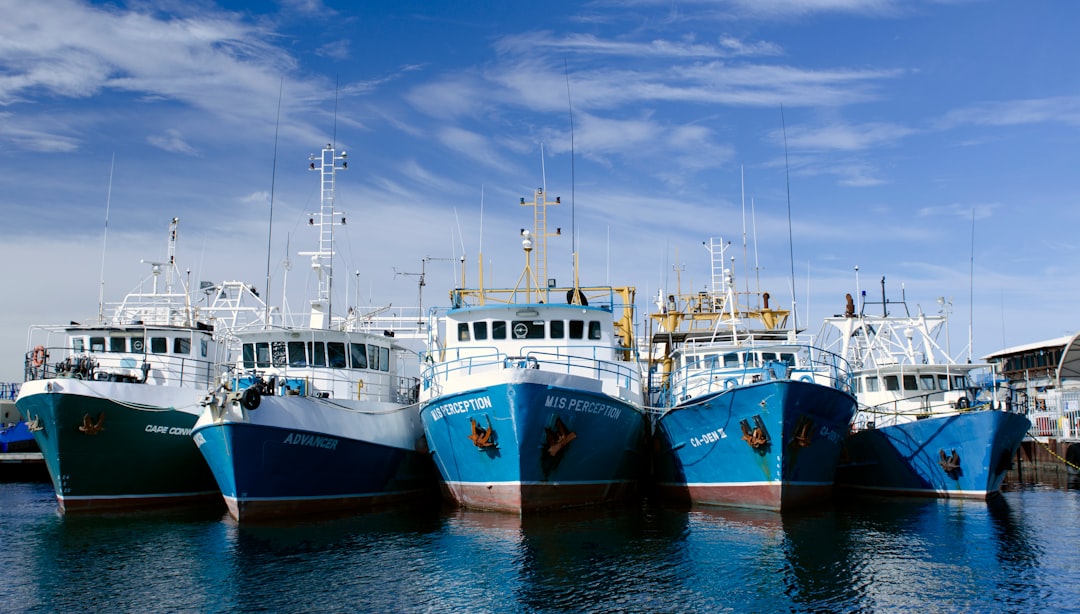
Vigo: When the price of diesel lurches, few industries feel it as immediately as fishing, where fuel can swallow a punishing share of a vessel’s running costs and where a trawler cannot simply idle at the quay until prices fall. So when conflict in the Middle East pushed fuel costs sharply higher this spring, Spain moved to shield its fleet, and on 4 June the European Commission gave the plan its blessing, approving a 25 million euro state aid scheme to cushion fishing companies against the spike.

The mechanics are deliberately simple. Eligible companies engaged in the primary production of fishery products will receive 20 cents for every litre of diesel bought between 22 March and 30 June, the window of heightened volatility, with the aid able to cover up to 70 percent of the additional fuel costs the crisis imposed. To stop the money pooling at the largest operators, support is capped at 200,000 euros per vessel and 400,000 euros per shipowner, a structure that spreads relief across a fleet dominated by smaller, family-run boats rather than concentrating it among a handful of big firms.

What makes the approval notable is the legal scaffolding behind it. The scheme was cleared under the Middle East Crisis Temporary State Aid Framework, a targeted and time-limited instrument the Commission adopted on 29 April precisely to let governments support the sectors most exposed to fuel shocks from the conflict. The framework is the latest in a lineage of emergency state-aid regimes the bloc has reached for whenever an external shock threatens to overwhelm ordinary competition rules, from the pandemic to the energy crisis that followed the invasion of Ukraine. Each one bends the usual prohibition on national subsidies to meet a moment the rulebook never anticipated.

That flexibility is both the framework’s strength and its risk. State-aid control exists to stop richer member states from outspending their neighbours and fragmenting the single market, and every temporary crisis framework loosens that discipline in the name of necessity. The Commission’s task is to keep the relief proportionate and genuinely tied to the shock, which is why the Spanish scheme is bounded by fixed dates, hard caps and a clear link to documented fuel costs rather than open-ended support that might quietly become a permanent subsidy.

The fishing case does not stand alone. The same crisis framework has underpinned parallel Spanish support for farmers facing higher fuel bills, and the pattern points to a Mediterranean economy where conflict in a distant region translates quickly into pressure on the boats and farms that feed it. For coastal communities where fishing is often the only employer, a fuel spike is not an abstraction but a question of whether the next trip covers its costs, and emergency aid of this kind is what keeps vessels sailing through a squeeze that has nothing to do with the fish.

The scheme runs until the end of the year, by which point the Commission and Madrid will hope the fuel market has calmed. If it has not, the pressure to extend or expand the relief will grow, and with it the familiar tension between protecting a vulnerable sector and preserving the level playing field the single market depends on. For now the boats have their cushion, and the diesel they burn this summer will cost their owners a little less than the market alone would charge.