August 9, 2026
LATEST
New EU Gas Market Rules Take Effect With Consumer SafeguardsDeforestation Regulation Holds Its December Deadline Despite CutsDigital Omnibus Delays Europe’s High-Risk AI Deadline to 2027Europe’s Schools Confront a Widening Basic Skills GapRule of Law Report Finds Progress but Trust Still LagsIRIS2 Gains 66 Satellites as Brussels Signs the Rollout DealNature Restoration Plans Come Due as Member States Race a DeadlineECB Rates Hold at 2.25 Percent as Frankfurt Waits on the DataEU Budget Talks Turn to Cohesion as Ireland Takes OverWildfire Response Stretches Europe’s Emergency Fleet ThinCan Europe’s Quantum Plan Match Its Big Ambitions?Armenia Edges West as Moscow’s Grip Slips AwayEurope Inherits the World’s Aid Bill It Cannot Fully PayAir Passenger Rights Get Their First Overhaul in Two DecadesErasmus Opens a 5 Billion Euro Round for Skills and MobilityCeuta Crisis Pushes the EU Toward Faster Migrant ReturnsBulky Parcels Face a Packaging Crackdown From August 12Can Europe Build Its Drone Wall Before 2030 Arrives?Indonesia’s Trade Deal With Europe Nears Its Final SignatureEurope Leans on Beijing to Keep Climate Talks Alive Before AntalyaNew EU Gas Market Rules Take Effect With Consumer SafeguardsDeforestation Regulation Holds Its December Deadline Despite CutsDigital Omnibus Delays Europe’s High-Risk AI Deadline to 2027Europe’s Schools Confront a Widening Basic Skills GapRule of Law Report Finds Progress but Trust Still LagsIRIS2 Gains 66 Satellites as Brussels Signs the Rollout DealNature Restoration Plans Come Due as Member States Race a DeadlineECB Rates Hold at 2.25 Percent as Frankfurt Waits on the DataEU Budget Talks Turn to Cohesion as Ireland Takes OverWildfire Response Stretches Europe’s Emergency Fleet ThinCan Europe’s Quantum Plan Match Its Big Ambitions?Armenia Edges West as Moscow’s Grip Slips AwayEurope Inherits the World’s Aid Bill It Cannot Fully PayAir Passenger Rights Get Their First Overhaul in Two DecadesErasmus Opens a 5 Billion Euro Round for Skills and MobilityCeuta Crisis Pushes the EU Toward Faster Migrant ReturnsBulky Parcels Face a Packaging Crackdown From August 12Can Europe Build Its Drone Wall Before 2030 Arrives?Indonesia’s Trade Deal With Europe Nears Its Final SignatureEurope Leans on Beijing to Keep Climate Talks Alive Before Antalya
August 9, 2026
LATEST
New EU Gas Market Rules Take Effect With Consumer SafeguardsDeforestation Regulation Holds Its December Deadline Despite CutsDigital Omnibus Delays Europe’s High-Risk AI Deadline to 2027Europe’s Schools Confront a Widening Basic Skills GapRule of Law Report Finds Progress but Trust Still LagsIRIS2 Gains 66 Satellites as Brussels Signs the Rollout DealNature Restoration Plans Come Due as Member States Race a DeadlineECB Rates Hold at 2.25 Percent as Frankfurt Waits on the DataEU Budget Talks Turn to Cohesion as Ireland Takes OverWildfire Response Stretches Europe’s Emergency Fleet ThinCan Europe’s Quantum Plan Match Its Big Ambitions?Armenia Edges West as Moscow’s Grip Slips AwayEurope Inherits the World’s Aid Bill It Cannot Fully PayAir Passenger Rights Get Their First Overhaul in Two DecadesErasmus Opens a 5 Billion Euro Round for Skills and MobilityCeuta Crisis Pushes the EU Toward Faster Migrant ReturnsBulky Parcels Face a Packaging Crackdown From August 12Can Europe Build Its Drone Wall Before 2030 Arrives?Indonesia’s Trade Deal With Europe Nears Its Final SignatureEurope Leans on Beijing to Keep Climate Talks Alive Before AntalyaNew EU Gas Market Rules Take Effect With Consumer SafeguardsDeforestation Regulation Holds Its December Deadline Despite CutsDigital Omnibus Delays Europe’s High-Risk AI Deadline to 2027Europe’s Schools Confront a Widening Basic Skills GapRule of Law Report Finds Progress but Trust Still LagsIRIS2 Gains 66 Satellites as Brussels Signs the Rollout DealNature Restoration Plans Come Due as Member States Race a DeadlineECB Rates Hold at 2.25 Percent as Frankfurt Waits on the DataEU Budget Talks Turn to Cohesion as Ireland Takes OverWildfire Response Stretches Europe’s Emergency Fleet ThinCan Europe’s Quantum Plan Match Its Big Ambitions?Armenia Edges West as Moscow’s Grip Slips AwayEurope Inherits the World’s Aid Bill It Cannot Fully PayAir Passenger Rights Get Their First Overhaul in Two DecadesErasmus Opens a 5 Billion Euro Round for Skills and MobilityCeuta Crisis Pushes the EU Toward Faster Migrant ReturnsBulky Parcels Face a Packaging Crackdown From August 12Can Europe Build Its Drone Wall Before 2030 Arrives?Indonesia’s Trade Deal With Europe Nears Its Final SignatureEurope Leans on Beijing to Keep Climate Talks Alive Before Antalya

State Aid Clears The Way For Germany’s Cleantech Build-Out

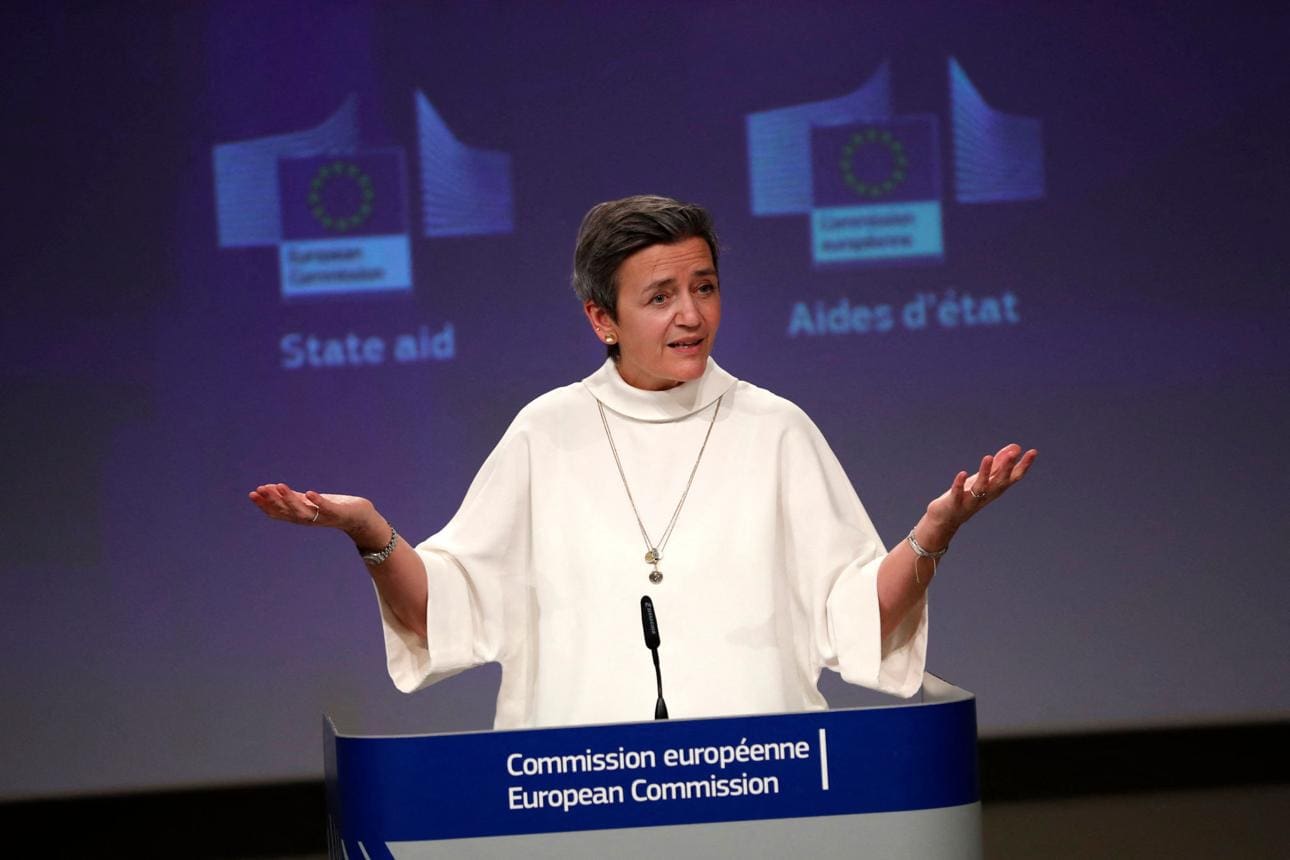
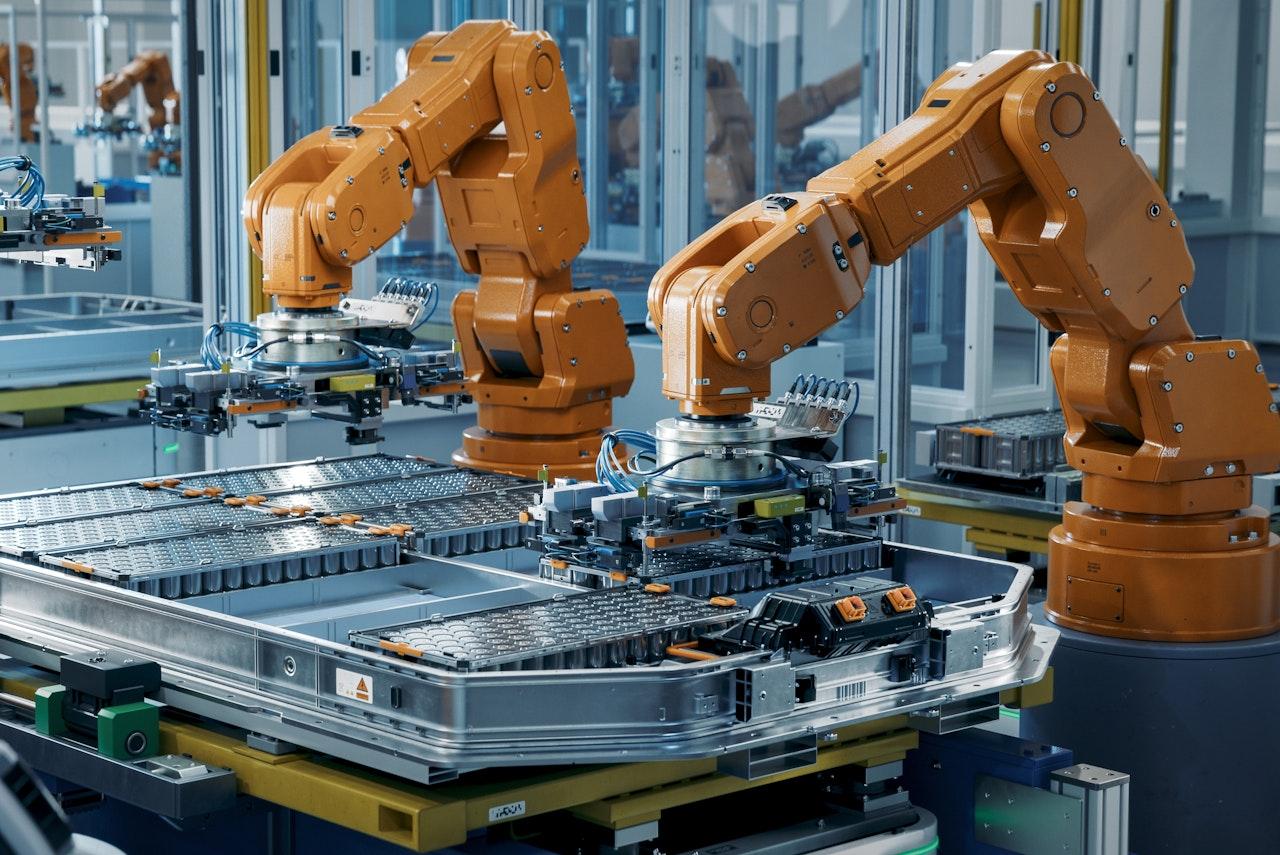
Dresden: Brussels has signed off on a three-billion-euro German scheme to expand the country’s capacity to manufacture clean technology, the latest sign that the Union’s competition watchdog is bending its state-aid rules toward the goal of building green industry at home. The approval clears Berlin to channel public money into factories that turn out the hardware of the energy transition, from components for renewable power to the equipment that decarbonising industry will need.

The decision sits inside a broader rewrite of how the bloc treats government subsidies. Under the clean industrial state-aid framework adopted to accompany the Union’s competitiveness agenda, the Commission has given itself faster and more permissive routes to wave through national support for renewable energy, industrial decarbonisation and the manufacture of clean technology. The logic is openly strategic. Faced with heavily subsidised competitors abroad and the prospect of green supply chains migrating elsewhere, the bloc has decided that a measure of public money is the price of keeping the factories on European soil.

That marks a notable shift in posture for an institution whose traditional instinct is to be suspicious of state aid. For most of its history the competition authority has treated national subsidies as a threat to the level playing field, on the theory that deep-pocketed governments could distort the single market by propping up their own champions. The new framework does not abandon that concern so much as subordinate it to an industrial objective. Approvals like the German one are meant to be quick and predictable, giving investors the confidence to commit to long-lived manufacturing projects without years of regulatory uncertainty.

The risk the watchdog has to manage is the one it spent decades warning about. When the largest economies can write the biggest cheques, a relaxed subsidy regime tends to favour the members with the deepest fiscal reserves. A smaller or more indebted state cannot match a three-billion-euro programme, which raises the prospect of clean-industry investment clustering in a handful of wealthy capitals rather than spreading across the bloc. The Commission insists its conditions and ceilings keep that distortion in check, but the tension between cohesion and competitiveness runs through every approval of this kind.

The German scheme also fits a wider pattern of pooled European industrial spending. Successive cross-border projects of common interest, in areas from hydrogen to microelectronics, have already mobilised tens of billions in combined public and private investment, and the cumulative figure approved over recent years runs well into the hundreds of billions. The clean-industry push adds another layer on top. For supporters, this is the Union finally matching its climate rhetoric with the capital to build the factories that make decarbonisation real. For sceptics, it is a subsidy race that the bloc once defined itself against, now repackaged as strategy. The competition authority is, for the moment, betting that it can have the industrial outcome without losing control of the single market that justifies its existence.