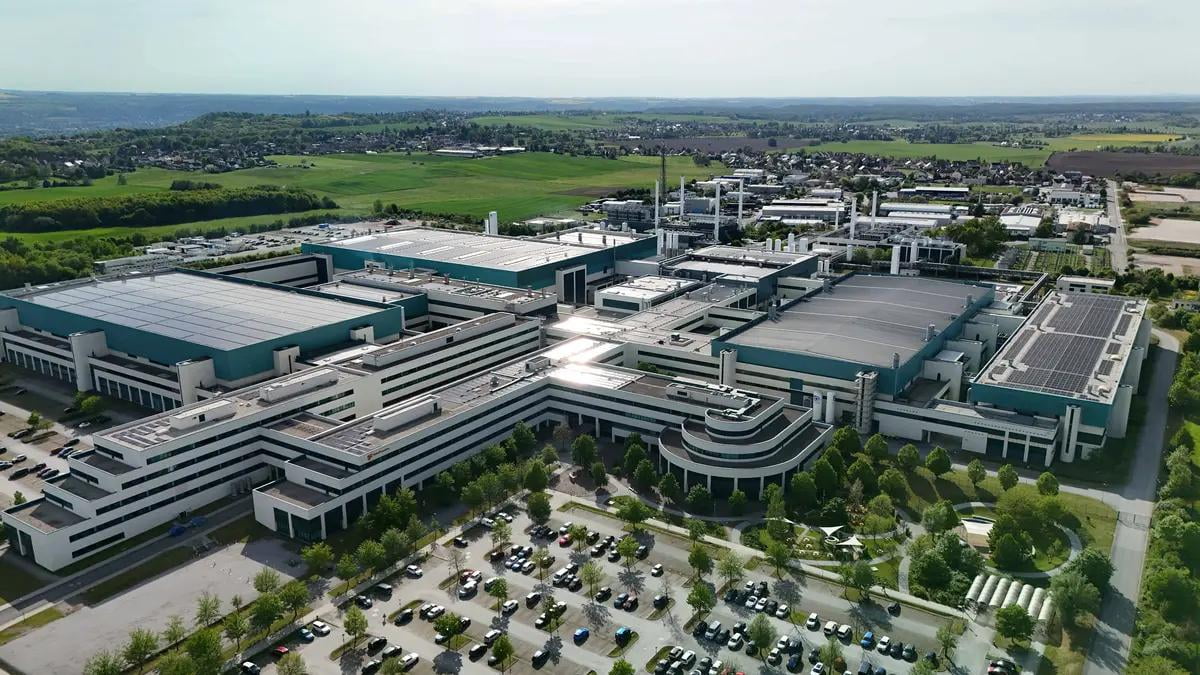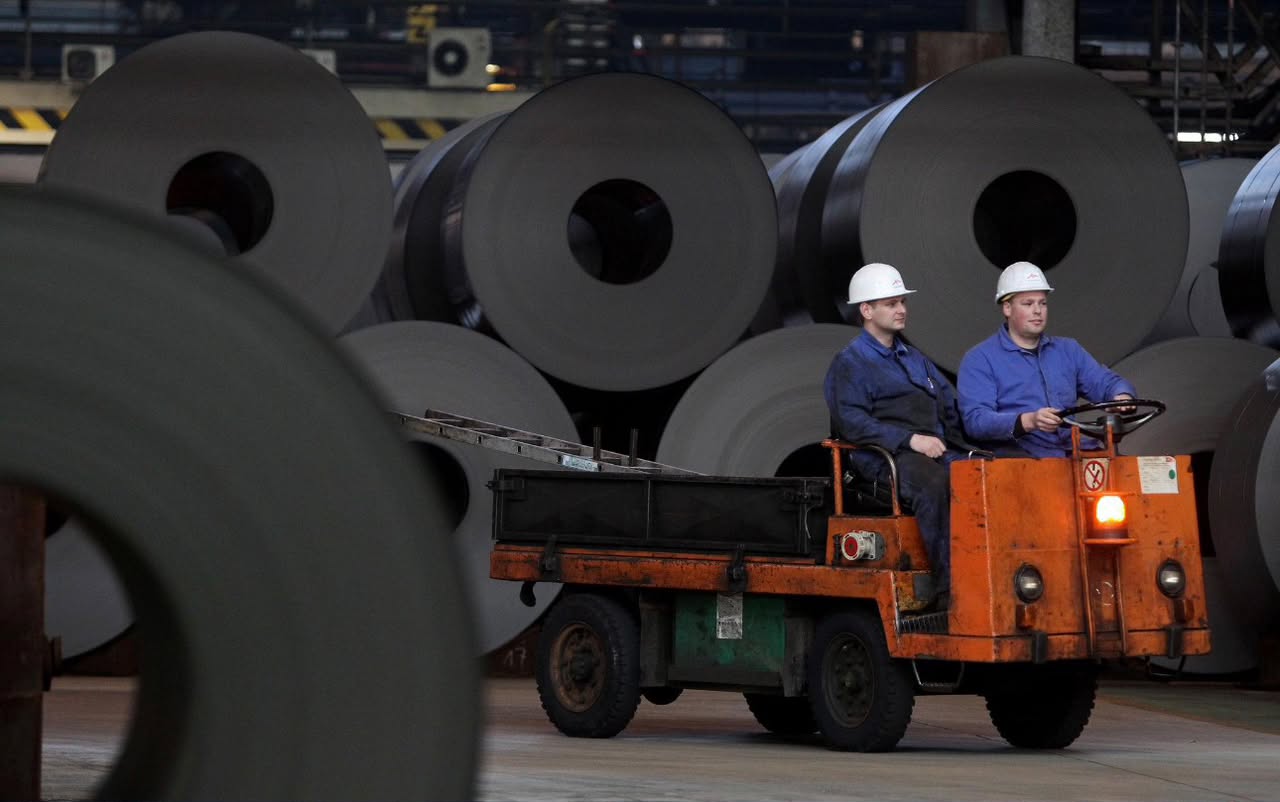
Duisburg: The EU’s steel safeguard measures, in place since 2018, will expire on 30 June after a maximum eight-year run permitted under the WTO Agreement on Safeguards, leaving the Commission’s trade-defence team less than six weeks to lock in a follow-up regime. Duisburg, the largest steel cluster on the continent and home to ThyssenKrupp’s integrated works, has become the operational reference point for the policy debate, with German industry federations pressing for a successor instrument that can absorb the displacement risks created by the global overcapacity overhang.
The expiring safeguard structure has functioned as a quantitative cap, allocating tariff-rate quotas to historic suppliers and imposing 25 percent out-of-quota duties on volumes above the threshold. The Commission concluded earlier this year that the measures have not allowed the EU steel sector to adapt to current global market realities, a candid assessment that opens the door to a structurally different replacement regime. Internal options on the table include a sector-specific outcome under the Carbon Border Adjustment Mechanism, a melt-and-pour origin verification framework, and a hybrid anti-dumping and anti-subsidy package targeted at specific product families.
The Anti-Coercion Instrument, in force since December 2023, gives the Commission considerably broader retaliatory powers than traditional counter-tariffs allowed for. The ACI is designed to respond to economic pressure exerted by third countries against the bloc or against an individual member state, and the amended Enforcement Regulation explicitly authorises unilateral EU action where the WTO Appellate Body is unable to hear cases. The latter has been hobbled since the United States blocked new appointments, leaving the dispute-settlement architecture without a functioning appellate tier.
The Commission also has live consultations open on a possible package of tariffs targeting roughly 95 billion euros of US imports, which trade-policy practitioners describe as the Brussels-side leverage in transatlantic discussions over auto, aluminium and digital-services tax issues. The steel file sits inside that broader basket because Washington’s Section 232 measures continue to shape global flows of finished and semi-finished product.
European steelmakers have argued for years that Chinese, Indian and South Korean overcapacity represents the binding external pressure on EU mills. The Commission’s industrial strategy work has accepted that framing, with the Steel and Metals Action Plan adopted in 2025 already containing measures on energy-intensive electricity contracts, scrap-export controls and green-lead-market criteria for public procurement. The trade-defence component is the missing piece.
Duisburg’s plants and the wider Ruhr complex have begun retooling around direct-reduced iron processes and hydrogen-ready capacity, a transition financed partly through Important Projects of Common European Interest envelopes and partly through national support schemes that the Commission has cleared on state-aid grounds. The economics of that transition only hold if external market access can be predictably managed, which is why German industry has been more vocal than usual in lobbying for a successor framework that does not leave a regulatory vacuum on 1 July.
The Commission is expected to circulate a non-paper to member states in the coming days outlining the architecture of a replacement instrument and its compatibility with WTO obligations. Trade ministers will discuss the file at the next Foreign Affairs Council in trade configuration, with a formal proposal anticipated before the end of June. The window is tight, and the political cost of any gap in protection between 30 June and a successor regime is now central to the negotiation.