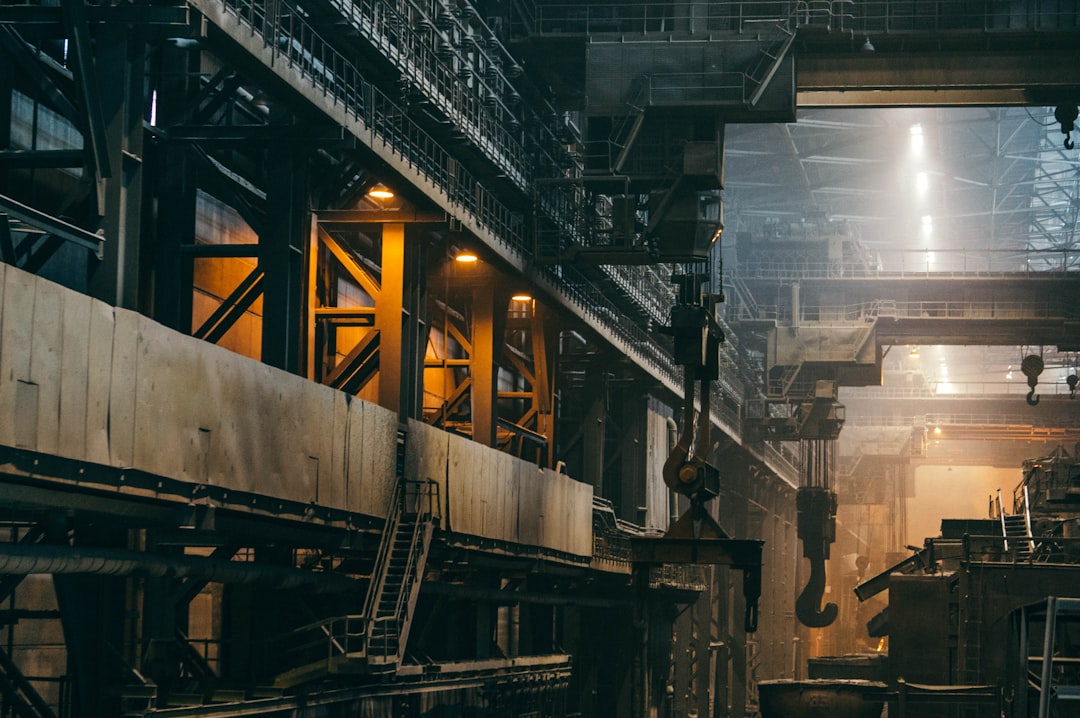
Duisburg: Along the Rhine, where blast furnaces still define the skyline of Europe’s steel heartland, producers are counting down to the first of July. On that day a far stricter regime for steel imports is due to take effect, replacing the patchwork of safeguards that has shielded the sector since the last decade and that was set to expire at the end of June.
The new measure tightens the screws in two ways. It slashes the volume of steel that can enter the bloc duty-free to about 18.3 million tonnes a year, a cut of roughly forty-seven percent against the quotas in place a couple of years ago. And once those quotas are exhausted, imports will face a duty of fifty percent, double the rate under the old system. Negotiators from the Parliament and the Council reached agreement on the overhaul in April, and the Commission has framed it as a response to a flood of subsidised metal that domestic mills say is squeezing them out of their own market.
The backdrop is a global glut. Worldwide steel overcapacity is estimated to climb from around 600 million tonnes today toward 720 million by 2027, much of it concentrated in producers that can sell below the cost European mills must charge. For an industry already wrestling with high energy bills and the cost of decarbonising, that surplus represents an existential threat, and the safeguard is meant to buy time to modernise behind a higher tariff wall.
The regulation also expands the range of products it covers, from twenty-eight categories to thirty, and adds a requirement that will reshape paperwork across the supply chain. Importers will have to declare where the steel was melted and poured, meaning the original furnace where raw metal first took solid form, rather than simply where it was last processed. That rule, which applies from October, is designed to stop producers from routing metal through third countries to dodge the quotas, a practice the Commission has long complained about.
Downstream users are less enthusiastic. Carmakers, appliance manufacturers and construction firms that buy steel rather than make it warn that tighter supply and higher duties will push up their input costs at an awkward moment for European competitiveness. They argue that protecting upstream mills risks penalising the much larger workforce that turns steel into finished goods, and they want assurances that quotas will be generous enough to avoid shortages.
Trading partners are watching warily too. A fifty percent duty is steep by any measure, and exporters who suddenly find their access curtailed may challenge the measure or retaliate against European goods. The Commission insists the safeguard is compatible with global trade rules and proportionate to the harm being done, but the move lands in an already tense atmosphere around metals and tariffs.
For the mills of Duisburg and the wider basin, though, the calculation is simpler. They have spent years warning that without firmer protection the continent could lose the capacity to make its own steel at all. The first of July will tell them whether the new wall is high enough to make a difference.