Luxembourg: Airlines flying to and from Europe face a tighter set of obligations after ministers gave final clearance to the first overhaul of air passenger rights in more than two decades. The Council’s green light in mid-July seals a reform that negotiators had chased through years of stalled talks.
The new rules sharpen what travellers can expect when journeys go wrong. Airlines must communicate more openly during disruptions, answer compensation claims within fixed deadlines, and stop leaning on vague explanations to dodge payouts. Clearer complaint procedures aim to spare passengers the maze of forms and delays that too often wore claimants down.
Several changes speak directly to family travel. Carriers will have to seat a child under 14 next to an accompanying adult at no extra charge, ending a practice that scattered families across the cabin unless they paid to sit together. The reform also strengthens protection for passengers with disabilities or reduced mobility, and for minors travelling alone.
One provision tackles a long-running gripe over hand luggage. Every passenger will gain the right to carry one personal item, such as a small handbag or backpack, into the cabin free of charge. The measure follows years of complaints that budget carriers stripped the fare down to a bare seat and charged for nearly everything else.
The package also bans so-called no-show rules that let airlines cancel a return leg when a passenger missed the outbound flight. That practice caught out travellers who skipped one segment for their own reasons, only to find the rest of their booking voided without refund.
The reform took an unusually long road. The rules had gone untouched for more than 20 years, and repeated attempts to modernise them foundered on disputes between governments that wanted stronger protection and an industry wary of new costs. The final compromise trims some passenger demands while adding others, a balance struck to get the text over the line.
Relief will not arrive overnight. The legislation becomes applicable only around a year after it appears in the Union’s official journal, giving airlines time to adjust systems and staff before the obligations bite. The Council set out the agreed measures in its statement confirming the deal.
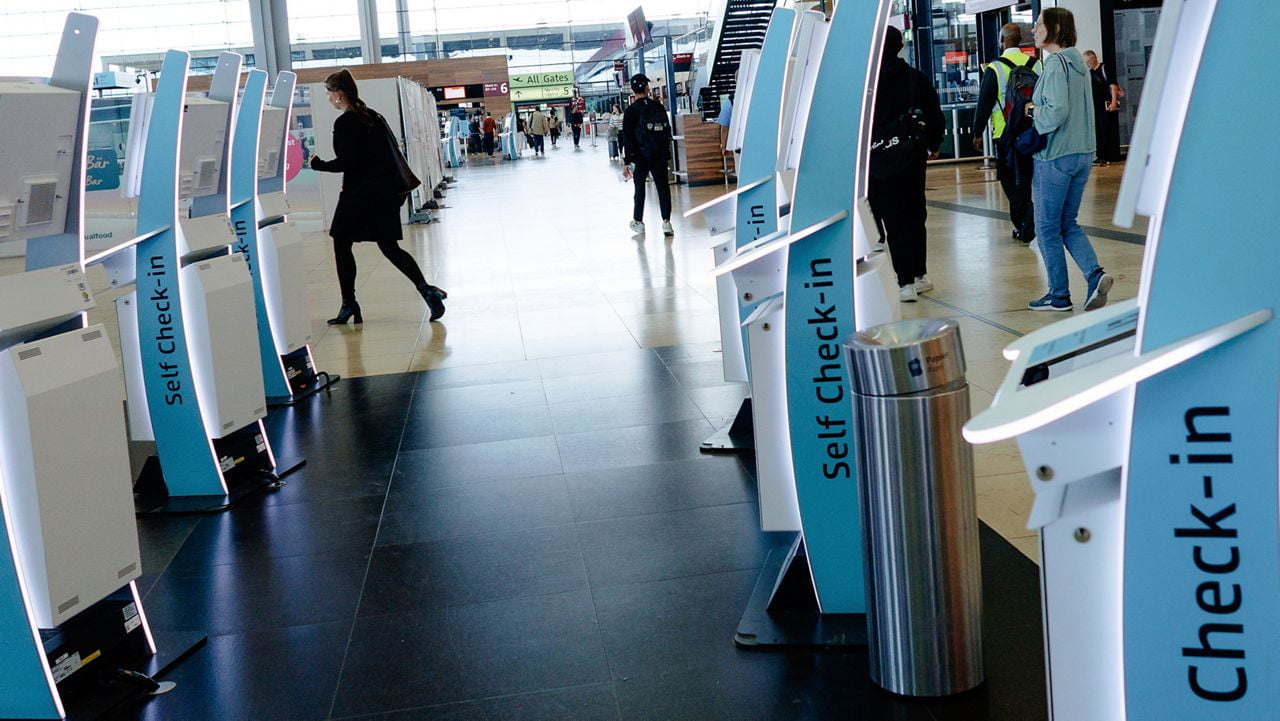
For the millions who pass through Europe’s airports each summer, the changes promise a fairer deal the next time a flight is delayed, cancelled or overbooked, even if the full effect waits until the rules formally take hold.