August 9, 2026
LATEST
New EU Gas Market Rules Take Effect With Consumer SafeguardsDeforestation Regulation Holds Its December Deadline Despite CutsDigital Omnibus Delays Europe’s High-Risk AI Deadline to 2027Europe’s Schools Confront a Widening Basic Skills GapRule of Law Report Finds Progress but Trust Still LagsIRIS2 Gains 66 Satellites as Brussels Signs the Rollout DealNature Restoration Plans Come Due as Member States Race a DeadlineECB Rates Hold at 2.25 Percent as Frankfurt Waits on the DataEU Budget Talks Turn to Cohesion as Ireland Takes OverWildfire Response Stretches Europe’s Emergency Fleet ThinCan Europe’s Quantum Plan Match Its Big Ambitions?Armenia Edges West as Moscow’s Grip Slips AwayEurope Inherits the World’s Aid Bill It Cannot Fully PayAir Passenger Rights Get Their First Overhaul in Two DecadesErasmus Opens a 5 Billion Euro Round for Skills and MobilityCeuta Crisis Pushes the EU Toward Faster Migrant ReturnsBulky Parcels Face a Packaging Crackdown From August 12Can Europe Build Its Drone Wall Before 2030 Arrives?Indonesia’s Trade Deal With Europe Nears Its Final SignatureEurope Leans on Beijing to Keep Climate Talks Alive Before AntalyaNew EU Gas Market Rules Take Effect With Consumer SafeguardsDeforestation Regulation Holds Its December Deadline Despite CutsDigital Omnibus Delays Europe’s High-Risk AI Deadline to 2027Europe’s Schools Confront a Widening Basic Skills GapRule of Law Report Finds Progress but Trust Still LagsIRIS2 Gains 66 Satellites as Brussels Signs the Rollout DealNature Restoration Plans Come Due as Member States Race a DeadlineECB Rates Hold at 2.25 Percent as Frankfurt Waits on the DataEU Budget Talks Turn to Cohesion as Ireland Takes OverWildfire Response Stretches Europe’s Emergency Fleet ThinCan Europe’s Quantum Plan Match Its Big Ambitions?Armenia Edges West as Moscow’s Grip Slips AwayEurope Inherits the World’s Aid Bill It Cannot Fully PayAir Passenger Rights Get Their First Overhaul in Two DecadesErasmus Opens a 5 Billion Euro Round for Skills and MobilityCeuta Crisis Pushes the EU Toward Faster Migrant ReturnsBulky Parcels Face a Packaging Crackdown From August 12Can Europe Build Its Drone Wall Before 2030 Arrives?Indonesia’s Trade Deal With Europe Nears Its Final SignatureEurope Leans on Beijing to Keep Climate Talks Alive Before Antalya
August 9, 2026
LATEST
New EU Gas Market Rules Take Effect With Consumer SafeguardsDeforestation Regulation Holds Its December Deadline Despite CutsDigital Omnibus Delays Europe’s High-Risk AI Deadline to 2027Europe’s Schools Confront a Widening Basic Skills GapRule of Law Report Finds Progress but Trust Still LagsIRIS2 Gains 66 Satellites as Brussels Signs the Rollout DealNature Restoration Plans Come Due as Member States Race a DeadlineECB Rates Hold at 2.25 Percent as Frankfurt Waits on the DataEU Budget Talks Turn to Cohesion as Ireland Takes OverWildfire Response Stretches Europe’s Emergency Fleet ThinCan Europe’s Quantum Plan Match Its Big Ambitions?Armenia Edges West as Moscow’s Grip Slips AwayEurope Inherits the World’s Aid Bill It Cannot Fully PayAir Passenger Rights Get Their First Overhaul in Two DecadesErasmus Opens a 5 Billion Euro Round for Skills and MobilityCeuta Crisis Pushes the EU Toward Faster Migrant ReturnsBulky Parcels Face a Packaging Crackdown From August 12Can Europe Build Its Drone Wall Before 2030 Arrives?Indonesia’s Trade Deal With Europe Nears Its Final SignatureEurope Leans on Beijing to Keep Climate Talks Alive Before AntalyaNew EU Gas Market Rules Take Effect With Consumer SafeguardsDeforestation Regulation Holds Its December Deadline Despite CutsDigital Omnibus Delays Europe’s High-Risk AI Deadline to 2027Europe’s Schools Confront a Widening Basic Skills GapRule of Law Report Finds Progress but Trust Still LagsIRIS2 Gains 66 Satellites as Brussels Signs the Rollout DealNature Restoration Plans Come Due as Member States Race a DeadlineECB Rates Hold at 2.25 Percent as Frankfurt Waits on the DataEU Budget Talks Turn to Cohesion as Ireland Takes OverWildfire Response Stretches Europe’s Emergency Fleet ThinCan Europe’s Quantum Plan Match Its Big Ambitions?Armenia Edges West as Moscow’s Grip Slips AwayEurope Inherits the World’s Aid Bill It Cannot Fully PayAir Passenger Rights Get Their First Overhaul in Two DecadesErasmus Opens a 5 Billion Euro Round for Skills and MobilityCeuta Crisis Pushes the EU Toward Faster Migrant ReturnsBulky Parcels Face a Packaging Crackdown From August 12Can Europe Build Its Drone Wall Before 2030 Arrives?Indonesia’s Trade Deal With Europe Nears Its Final SignatureEurope Leans on Beijing to Keep Climate Talks Alive Before Antalya

Tanks Still Wait At Borders As Europe Chases A Military Schengen

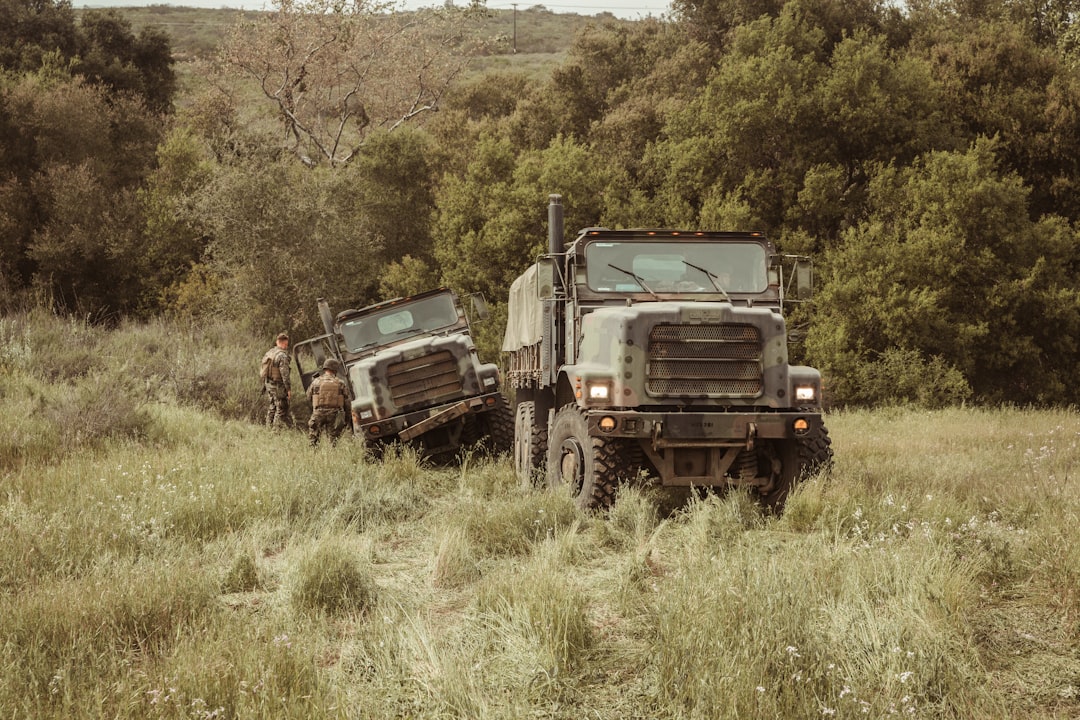
Vilnius: A column of armoured vehicles that needs three weeks of paperwork to cross a friendly border is not much use in a crisis that unfolds in days. That blunt observation has driven one of the European Union’s least glamorous but most consequential defence projects: the creation of a Military Mobility Area, the so-called military Schengen, that planners want operational by 2027.

The idea is deceptively simple. Just as goods and people move across internal borders without checks, troops, equipment and ammunition should be able to travel across the continent without colliding with a thicket of national rules. Today they do collide, constantly. A heavy transport convoy may need separate permits in each country it transits, may find that a bridge rated for civilian traffic cannot bear a main battle tank, and may discover that customs formalities designed for commercial freight were never written with a howitzer in mind. Each friction is small; together they add up to delays that an adversary could exploit.

The response being assembled has three strands. The first is regulatory harmonisation, pre-agreed and standardised rules so that a permit granted in one capital is recognised down the corridor rather than renegotiated at every frontier. The second is digital: interoperable permission systems that let a movement request flow through national authorities at the speed of a database query rather than a fax. The third, and most expensive, is physical. Roads, rail gauges, bridges and ports built for peacetime commerce often cannot handle the weight and dimensions of military hardware, and upgrading that infrastructure to dual-use standards requires money and years.

The strategic backdrop needs little spelling out. With a land war on the Union’s eastern flank reshaping every assumption about readiness, the ability to surge forces quickly from western ports toward the frontier has moved from a logistical footnote to a frontline concern. Reinforcement that arrives late is reinforcement that may arrive after the decisive moment has passed. Eastern members in particular have pressed for faster progress, conscious that geography makes them the destination most of these convoys would race toward.

Progress, though, runs into the familiar machinery of the Union. Infrastructure funding competes with every other priority in a budget already stretched thin, and dual-use upgrades sit awkwardly between defence ministries and transport ministries that rarely share a culture or a purse. Sovereignty instincts complicate the rest: allowing foreign troops smoother passage touches sensitivities that no harmonised permit form fully dissolves. NATO, which has its own stake in moving forces across the same terrain, adds another set of plans that must be reconciled rather than duplicated.

What makes military mobility revealing is how it exposes the gap between political ambition and physical reality. Leaders can declare a readiness target in a communique within an afternoon. Reinforcing a bridge or rewriting a customs regime takes far longer, and the 2027 horizon already looks tight against the scale of the work. The project is a reminder that credible deterrence is not only a matter of how many tanks a continent owns, but whether those tanks can actually get where they are needed before it is too late.