August 9, 2026
LATEST
New EU Gas Market Rules Take Effect With Consumer SafeguardsDeforestation Regulation Holds Its December Deadline Despite CutsDigital Omnibus Delays Europe’s High-Risk AI Deadline to 2027Europe’s Schools Confront a Widening Basic Skills GapRule of Law Report Finds Progress but Trust Still LagsIRIS2 Gains 66 Satellites as Brussels Signs the Rollout DealNature Restoration Plans Come Due as Member States Race a DeadlineECB Rates Hold at 2.25 Percent as Frankfurt Waits on the DataEU Budget Talks Turn to Cohesion as Ireland Takes OverWildfire Response Stretches Europe’s Emergency Fleet ThinCan Europe’s Quantum Plan Match Its Big Ambitions?Armenia Edges West as Moscow’s Grip Slips AwayEurope Inherits the World’s Aid Bill It Cannot Fully PayAir Passenger Rights Get Their First Overhaul in Two DecadesErasmus Opens a 5 Billion Euro Round for Skills and MobilityCeuta Crisis Pushes the EU Toward Faster Migrant ReturnsBulky Parcels Face a Packaging Crackdown From August 12Can Europe Build Its Drone Wall Before 2030 Arrives?Indonesia’s Trade Deal With Europe Nears Its Final SignatureEurope Leans on Beijing to Keep Climate Talks Alive Before AntalyaNew EU Gas Market Rules Take Effect With Consumer SafeguardsDeforestation Regulation Holds Its December Deadline Despite CutsDigital Omnibus Delays Europe’s High-Risk AI Deadline to 2027Europe’s Schools Confront a Widening Basic Skills GapRule of Law Report Finds Progress but Trust Still LagsIRIS2 Gains 66 Satellites as Brussels Signs the Rollout DealNature Restoration Plans Come Due as Member States Race a DeadlineECB Rates Hold at 2.25 Percent as Frankfurt Waits on the DataEU Budget Talks Turn to Cohesion as Ireland Takes OverWildfire Response Stretches Europe’s Emergency Fleet ThinCan Europe’s Quantum Plan Match Its Big Ambitions?Armenia Edges West as Moscow’s Grip Slips AwayEurope Inherits the World’s Aid Bill It Cannot Fully PayAir Passenger Rights Get Their First Overhaul in Two DecadesErasmus Opens a 5 Billion Euro Round for Skills and MobilityCeuta Crisis Pushes the EU Toward Faster Migrant ReturnsBulky Parcels Face a Packaging Crackdown From August 12Can Europe Build Its Drone Wall Before 2030 Arrives?Indonesia’s Trade Deal With Europe Nears Its Final SignatureEurope Leans on Beijing to Keep Climate Talks Alive Before Antalya
August 9, 2026
LATEST
New EU Gas Market Rules Take Effect With Consumer SafeguardsDeforestation Regulation Holds Its December Deadline Despite CutsDigital Omnibus Delays Europe’s High-Risk AI Deadline to 2027Europe’s Schools Confront a Widening Basic Skills GapRule of Law Report Finds Progress but Trust Still LagsIRIS2 Gains 66 Satellites as Brussels Signs the Rollout DealNature Restoration Plans Come Due as Member States Race a DeadlineECB Rates Hold at 2.25 Percent as Frankfurt Waits on the DataEU Budget Talks Turn to Cohesion as Ireland Takes OverWildfire Response Stretches Europe’s Emergency Fleet ThinCan Europe’s Quantum Plan Match Its Big Ambitions?Armenia Edges West as Moscow’s Grip Slips AwayEurope Inherits the World’s Aid Bill It Cannot Fully PayAir Passenger Rights Get Their First Overhaul in Two DecadesErasmus Opens a 5 Billion Euro Round for Skills and MobilityCeuta Crisis Pushes the EU Toward Faster Migrant ReturnsBulky Parcels Face a Packaging Crackdown From August 12Can Europe Build Its Drone Wall Before 2030 Arrives?Indonesia’s Trade Deal With Europe Nears Its Final SignatureEurope Leans on Beijing to Keep Climate Talks Alive Before AntalyaNew EU Gas Market Rules Take Effect With Consumer SafeguardsDeforestation Regulation Holds Its December Deadline Despite CutsDigital Omnibus Delays Europe’s High-Risk AI Deadline to 2027Europe’s Schools Confront a Widening Basic Skills GapRule of Law Report Finds Progress but Trust Still LagsIRIS2 Gains 66 Satellites as Brussels Signs the Rollout DealNature Restoration Plans Come Due as Member States Race a DeadlineECB Rates Hold at 2.25 Percent as Frankfurt Waits on the DataEU Budget Talks Turn to Cohesion as Ireland Takes OverWildfire Response Stretches Europe’s Emergency Fleet ThinCan Europe’s Quantum Plan Match Its Big Ambitions?Armenia Edges West as Moscow’s Grip Slips AwayEurope Inherits the World’s Aid Bill It Cannot Fully PayAir Passenger Rights Get Their First Overhaul in Two DecadesErasmus Opens a 5 Billion Euro Round for Skills and MobilityCeuta Crisis Pushes the EU Toward Faster Migrant ReturnsBulky Parcels Face a Packaging Crackdown From August 12Can Europe Build Its Drone Wall Before 2030 Arrives?Indonesia’s Trade Deal With Europe Nears Its Final SignatureEurope Leans on Beijing to Keep Climate Talks Alive Before Antalya

The Central Bank Lifts Euro Rates for the First Time Since 2023

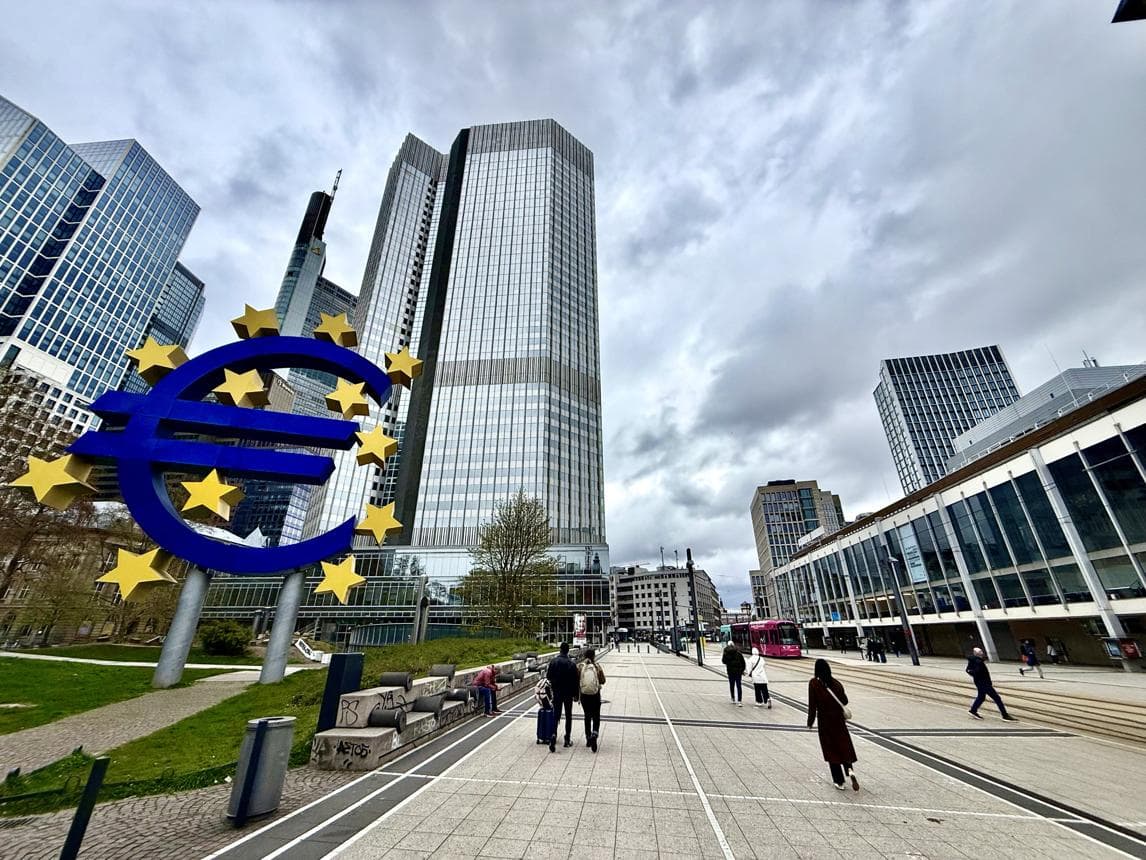
Dublin: For borrowers who had grown used to the idea that the only way for interest rates to go was down, the European Central Bank has delivered an abrupt reminder that monetary policy still bends to events. The Governing Council raised its three key rates by a quarter of a percentage point, the first increase since 2023, and framed the move as a defensive response to an inflation shock rolling in from beyond Europe’s borders.

The trigger is conflict in the Middle East and the pressure it has placed on energy and commodity markets. Higher fuel and input costs feed quickly into headline prices and, if they linger, into the wages and expectations that determine whether a temporary spike becomes entrenched. The bank’s updated projections capture the concern: headline inflation is now expected to average three percent this year before easing toward the two percent target only in 2028. That path sits uncomfortably above the goal for long enough to worry policymakers who remember how hard the last inflationary episode was to subdue.

What makes the decision awkward is that it lands just as growth is faltering. The same commodity shock that is lifting prices is draining real incomes and confidence, and the bank trimmed its growth forecast to a meagre figure for this year. Raising borrowing costs into a slowdown is the classic dilemma of a central bank facing a supply shock, where the forces pushing prices up and activity down originate in the same place. Move to protect growth and inflation may take root; move to crush inflation and a weak economy weakens further.

The bank’s leadership defended the choice as robust across a range of scenarios, arguing that the risk of allowing inflation expectations to drift upward outweighed the cost of modestly tighter policy. By acting early and signalling resolve, the reasoning goes, the Council can keep the increase small and avoid the far more painful tightening that would be needed if price pressures were allowed to settle in. Markets, which had largely expected rates to stay on hold, repriced their assumptions about the path ahead.

The decision also reopens an old conversation about the division of labour between monetary and fiscal authorities. The European Commission, in its spring economic guidance, urged that any government support to cushion households and firms from the energy shock be kept temporary, targeted and tailored, precisely so that fiscal generosity does not add to the inflationary fire the central bank is trying to contain. Coordinating the two arms of policy is easier to prescribe than to achieve across a currency union of very different national budgets and political pressures.

For households in Dublin and across the euro area, the practical consequences will surface gradually, in mortgage rates that stop falling, in loans that cost a little more and in savings that earn slightly better returns. The larger question is whether this is a one-off insurance move or the start of a new tightening phase. The bank has been careful to promise nothing, insisting each future decision will follow the data. In an economy buffeted by a shock it cannot control, that caution is less indecision than honesty about how little anyone can currently foresee.