Stockholm: Europe’s long-promised modernisation of tobacco taxation has hit a familiar wall. Finance ministers meeting in Luxembourg failed to reach the general approach they had hoped for on the Commission’s revised Tobacco Taxation Directive, after the Cypriot presidency’s compromise text ran into resistance led by Sweden over how newer nicotine products should be taxed.
The package, tabled last summer, is the first serious attempt in well over a decade to rewrite the rulebook on excise duties for cigarettes, rolling tobacco and a growing universe of products the current law never anticipated. Its central ambition is to lift minimum rates and narrow the wide gaps between member states, while bringing heated tobacco, e-liquids and nicotine pouches into a harmonised framework. The Commission frames it as a health measure as much as a fiscal one, tying it explicitly to Europe’s Beating Cancer Plan.
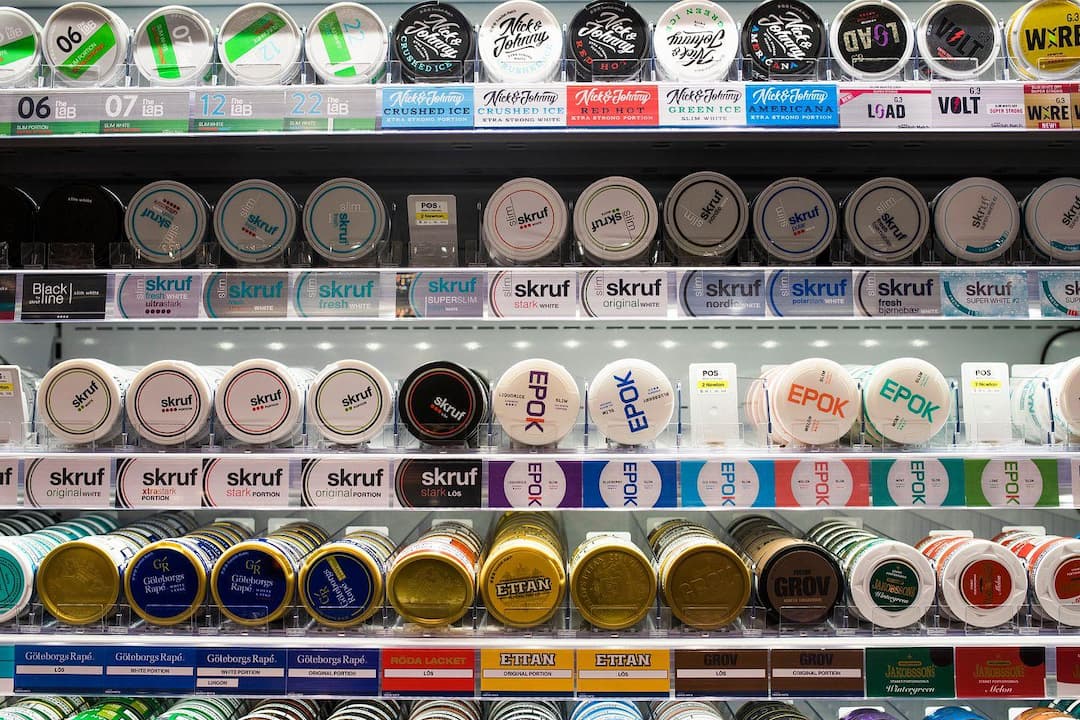
That is precisely where the politics turn thorny. Sweden has built an unusual public-health case around snus and nicotine pouches, arguing that taxing them as harshly as combustible cigarettes would blunt a tool that has helped drive its smoking rates to the lowest in the bloc. Stockholm’s objection is not a technicality; it reflects a genuine philosophical split over whether so-called reduced-risk products deserve a lighter fiscal touch or should be swept into the same net as the cigarettes they are meant to replace.
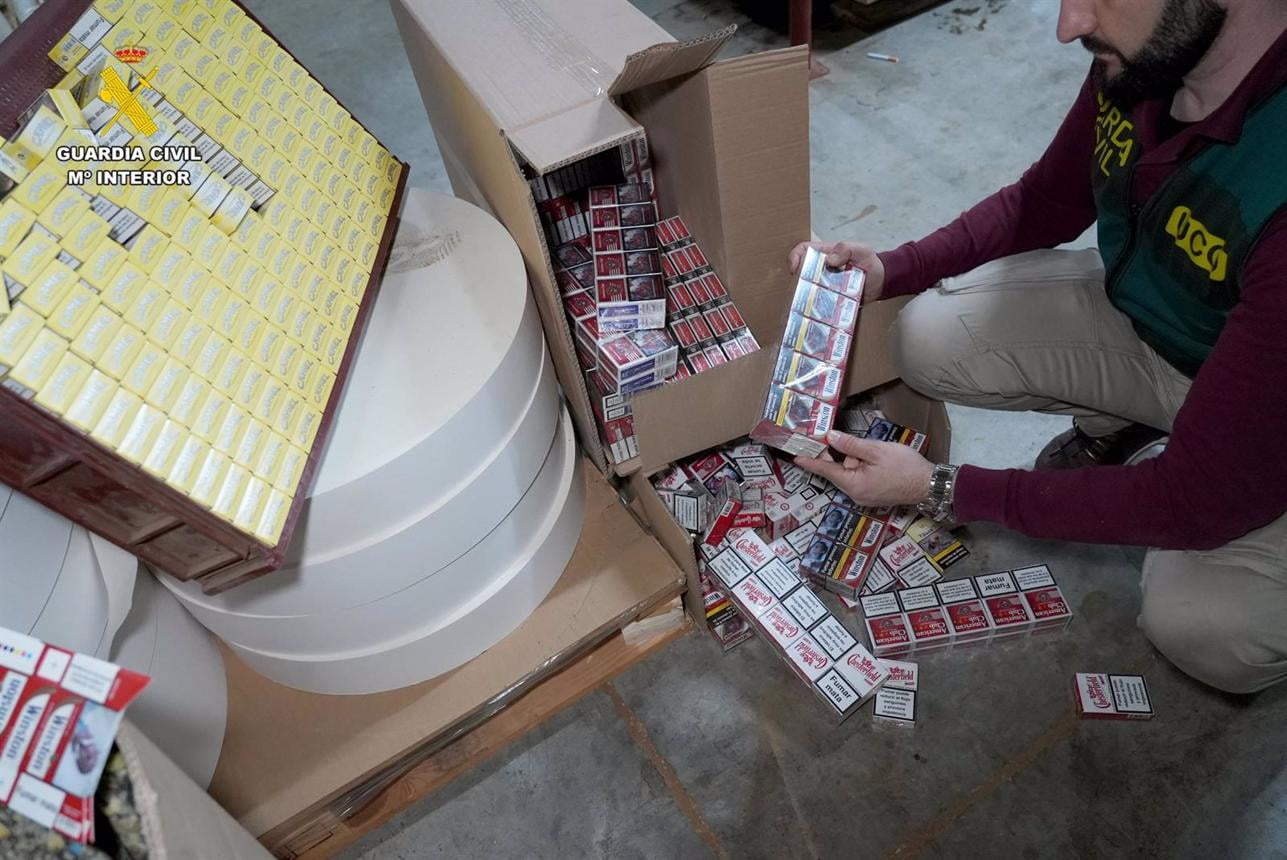
Because excise harmonisation requires unanimity, a single determined capital can hold the line, and Sweden is not alone in its unease. Lower-tax member states in the south and east worry that steep minimum increases will widen the incentive for smuggling and cross-border shopping, a fear the illicit-trade lobby is happy to amplify. Higher-tax northern states counter that the current patchwork already fuels arbitrage and that convergence is the only durable fix.
Why it matters reaches beyond the cigarette counter. Tobacco excise raises tens of billions of euros a year for national treasuries, and the design of the new rates will shape both public revenue and public health for a generation. A directive that sets minimums too low achieves little; one that sets them too high without consensus simply pushes consumption into the grey market.
The stalemate is not the end of the file. The presidency can retable a revised compromise, and the incoming chair will inherit a text that is closer to agreement than the headlines suggest. But the nicotine-pouch dispute is a reminder that tax harmonisation in the EU is rarely about arithmetic alone. It is about reconciling twenty-seven different bets on how citizens should be nudged away from smoking, and whether the tax code should reward those who switch rather than quit. Until that argument is settled, the overhaul will keep circling the same airport, cleared to land but never quite touching down.