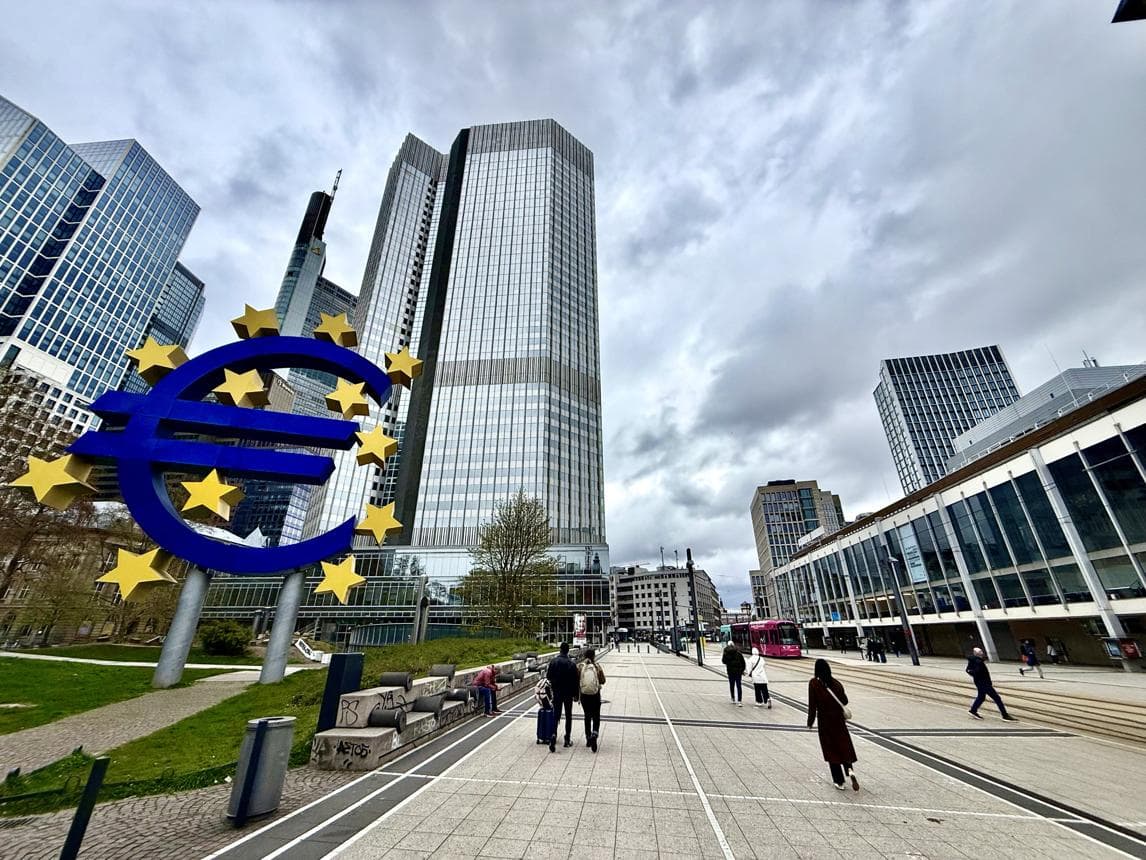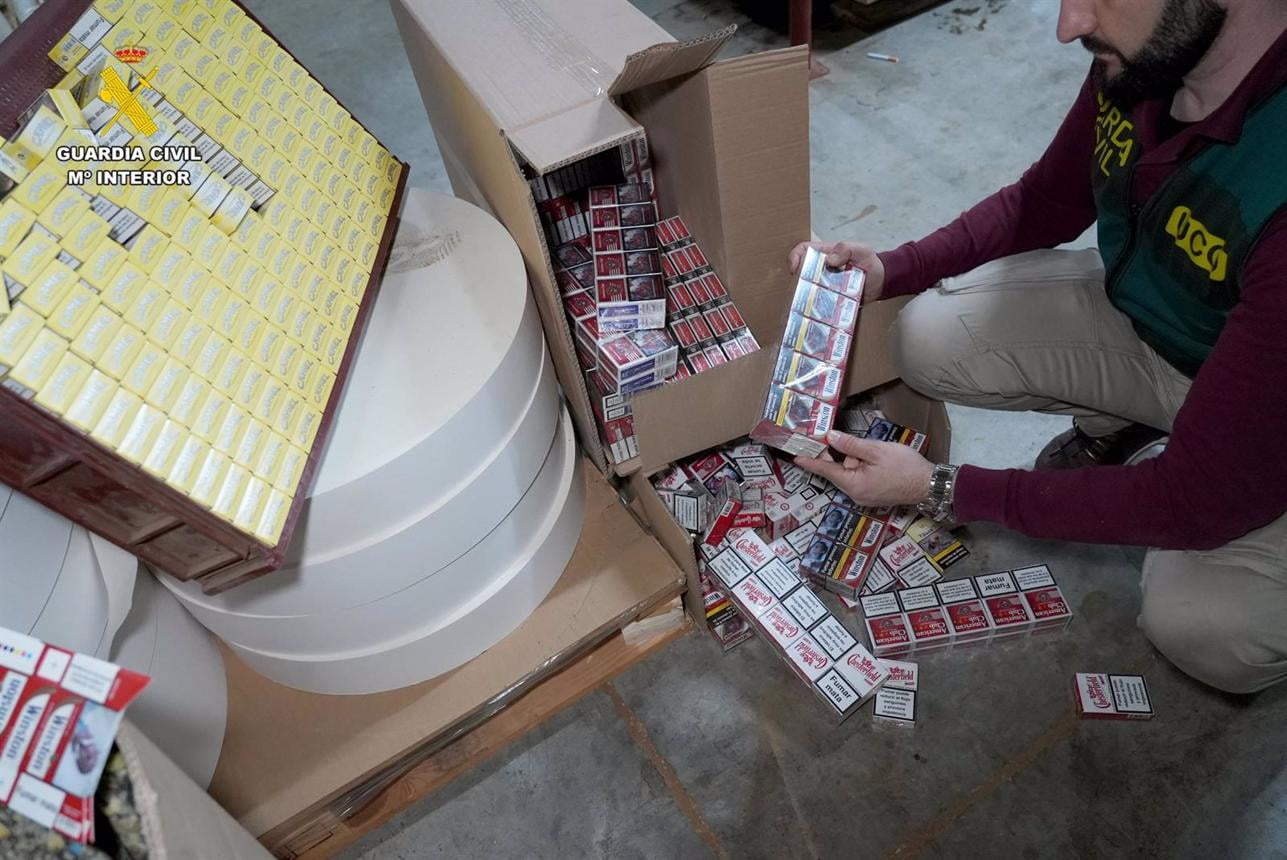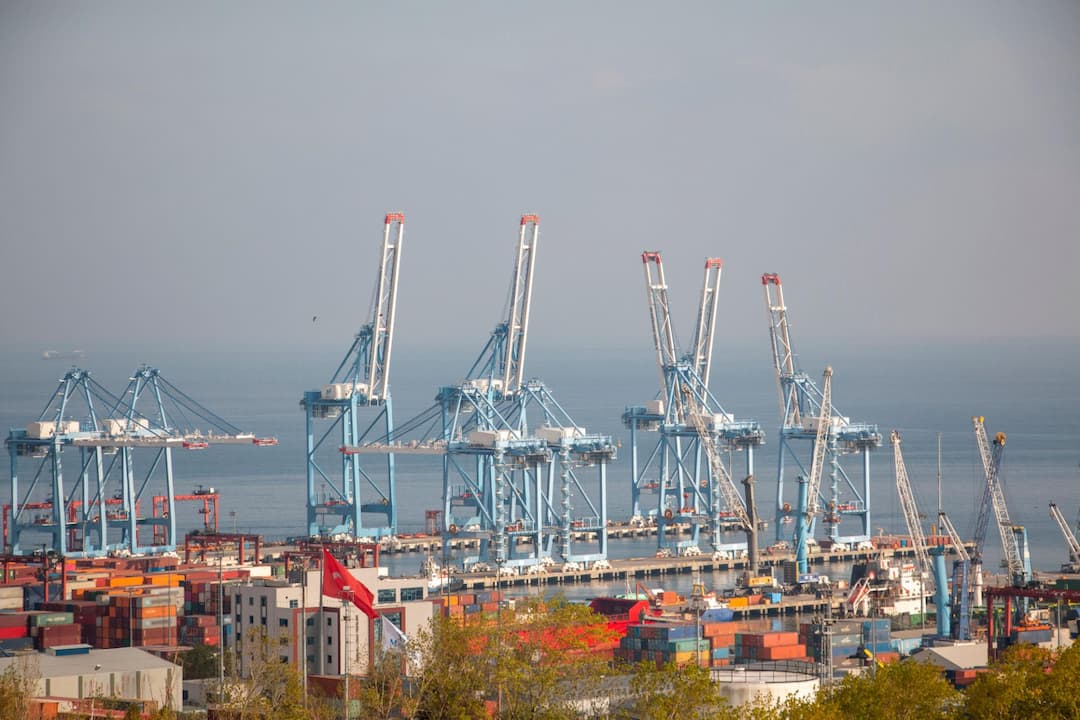
Antwerp: The European Union is still selling more to the world than it buys, but the cushion is thinning fast. Fresh figures from Eurostat show the bloc’s surplus in goods trade with non-EU partners fell to 12.7 billion euros in the first quarter of 2026, down from 23.6 billion euros in the final quarter of 2025. In the space of three months the surplus was almost halved, a swing large enough to unsettle policymakers who have leaned on external demand to offset weak spending at home.
Two forces did most of the damage. The surplus on machinery and vehicles, long the spine of European exports, narrowed from 39.8 billion euros to 27.8 billion euros, a sign that the continent’s industrial champions are losing ground in the very segments where they once dominated. At the same time the deficit on energy products widened from 64.0 billion euros to 72.2 billion euros, as the bloc kept paying a premium to import the gas and oil it cannot produce. The combination captures the structural bind that the Draghi competitiveness agenda set out to address: Europe earns less from what it makes and spends more on what it must buy.
The monthly readings tell the same story in miniature. Eurostat’s mid-May release put the euro-area surplus for the latest month at 7.8 billion euros, a respectable figure by historical standards but well below the double-digit balances recorded during the export boom of the previous decade. Analysts caution against reading too much into any single quarter, since energy bills and currency moves can distort the headline. Yet the direction of travel matches a broader softening in industrial orders reported across several member states.
The inflation backdrop sharpens the worry. Euro-area annual inflation was estimated at 3.2 percent in May, up from 3.0 percent in April, drifting further from the European Central Bank’s two percent target rather than toward it. Higher energy import costs feed directly into that figure, leaving the bank with little room to ease policy even as growth disappoints. A shrinking trade surplus and sticky inflation are an awkward pairing for officials who would prefer one problem at a time.
What happens next depends partly on factors beyond Brussels. A calmer global energy market would shrink the import bill almost mechanically, while a recovery in demand from Asia and North America would lift the machinery exporters. But the figures also point to choices within reach, from faster electrification to cut the energy deficit to deeper single-market integration that lets European firms scale. Eurostat’s numbers do not prescribe a remedy; they simply measure the gap between Europe’s ambitions and its current account. For now that gap is widening, and the quarterly data have given the competitiveness debate a concrete, uncomfortable figure to argue over.