Sofia: In a country where a packet of cigarettes still costs a fraction of what it does in Paris or Copenhagen, the European Commission’s plan to overhaul tobacco taxation lands with particular force. The long-delayed revision of the Tobacco Taxation Directive, whose contours have been circulating in leaked drafts, would for the first time drag e-cigarettes, heated tobacco and nicotine pouches into the excise net, and a fresh public consultation opened at the start of June has reopened a fight that the industry had hoped was settled.
The numbers in the draft are blunt. Vaping liquids would carry a flat levy of 0.20 euro per millilitre. Nicotine pouches would be taxed at half their retail price. Conventional cigarettes and rolling tobacco would face a minimum excise of 200 euro per thousand sticks or per kilogram, a sharp uplift from today’s floor, though the Commission has penciled in a long runway, with full implementation pushed back to 2032. The stated aim, drawn directly from Europe’s Beating Cancer Plan, is to bring the taxation of every nicotine product into closer alignment with the bloc’s health objectives.
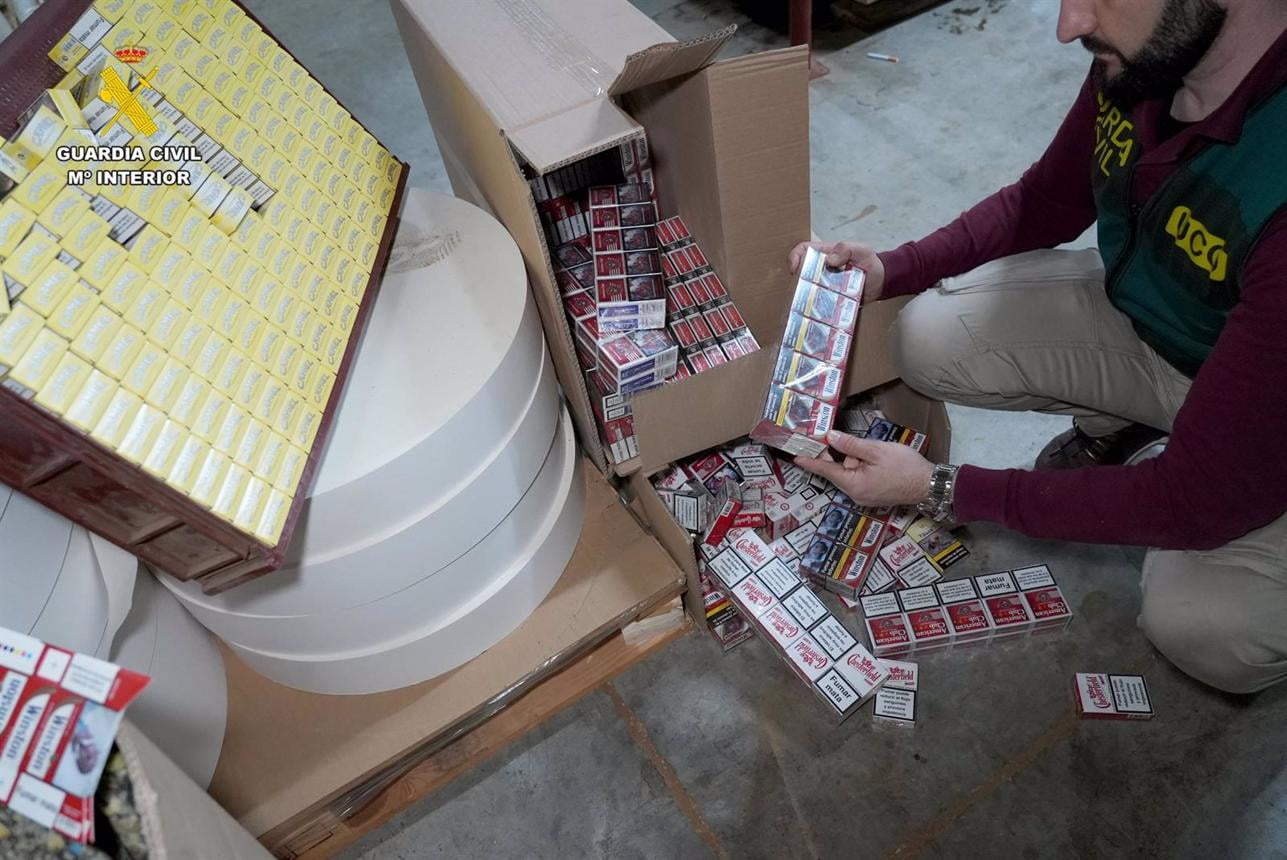
For finance ministries in lower-income member states such as Bulgaria, the appeal is straightforward. Higher minimum rates promise a richer stream of excise revenue and a narrowing of the enormous price gap that currently fuels cross-border smuggling and lost receipts. Yet the same gap explains the unease. Push prices up too fast in a market where smoking rates are high and incomes are modest, and the predictable result is a flourishing black market rather than a healthier population.
The most contentious clause is the draft’s explicit goal of preventing what it calls tax-driven substitution between nicotine products. In plain terms, Brussels does not want smokers nudged toward vaping purely because the tax code makes it cheaper. Harm-reduction advocates regard this as precisely the wrong instinct. Their argument is that e-cigarettes, whatever their risks, are markedly less dangerous than combustible tobacco, and that taxing them at punitive rates removes the financial incentive for smokers to switch away from the deadliest product on the shelf.
That debate has turned unusually bitter. Critics accuse the Commission of dismissing public opposition to the levies as mere industry interference, and of consulting yet again on questions that earlier expert panels and citizen surveys had already addressed. Defenders counter that the tobacco lobby has long dressed up its commercial interests in the language of public health, and that fresh scrutiny is exactly what a measure of this scale demands.
Unanimity among all member states is required to change tax law at European level, which gives every capital, including Sofia, an effective veto and guarantees a long negotiation. Governments that depend heavily on tobacco revenue, those with powerful manufacturing interests, and those wedded to harm reduction will each pull in different directions. The Commission’s challenge is to thread a proposal through that needle while keeping its cancer-fighting credentials intact. For the vaper standing outside a Sofia cafe, the abstraction of directive law reduces to a simpler question, namely how much more the habit is about to cost.