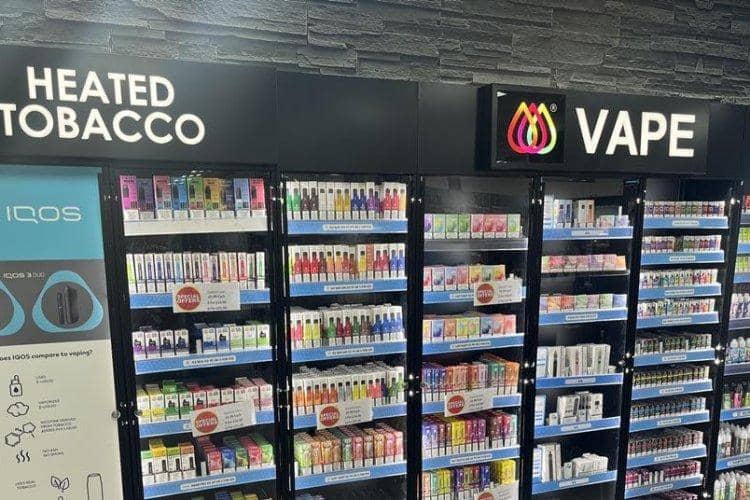
Sofia: Europe’s rules on taxing tobacco were written for a market dominated by the cigarette, and they have aged badly. A revision of the Tobacco Taxation Directive, proposed by the Commission and now grinding through Parliament and Council, would drag the framework into an era of vapes, heated tobacco and nicotine pouches, products that barely existed when the current minimum rates were set and that today sit largely outside the EU’s harmonised excise net.
The proposal does three main things. It raises the minimum excise duties that member states must levy on tobacco, narrowing the wide gaps that let cheaper-taxing countries undercut their neighbours and fuel cross-border bootlegging. It extends the directive’s scope to the new generation of products, so that e-cigarettes, heated-tobacco sticks and nicotine pouches would face their own EU-wide minimum taxes for the first time. And it brings raw tobacco into the bloc’s electronic system for tracking excise goods, closing a channel through which leaf can slip into the illicit supply chain. The Commission frames the package as a pillar of Europe’s plan to beat cancer, arguing that higher prices are among the most effective tools for cutting consumption, especially among the young.
The numbers are substantial. To meet the proposed floors, the member states with the lowest current rates would have to raise their minimums by around half on average, a steep adjustment for lower-income countries where cigarettes remain comparatively cheap and where tobacco taxes form a meaningful slice of public revenue. That is precisely where the political resistance is concentrated, and tax files in the EU require unanimity in the Council, giving any single capital a veto.
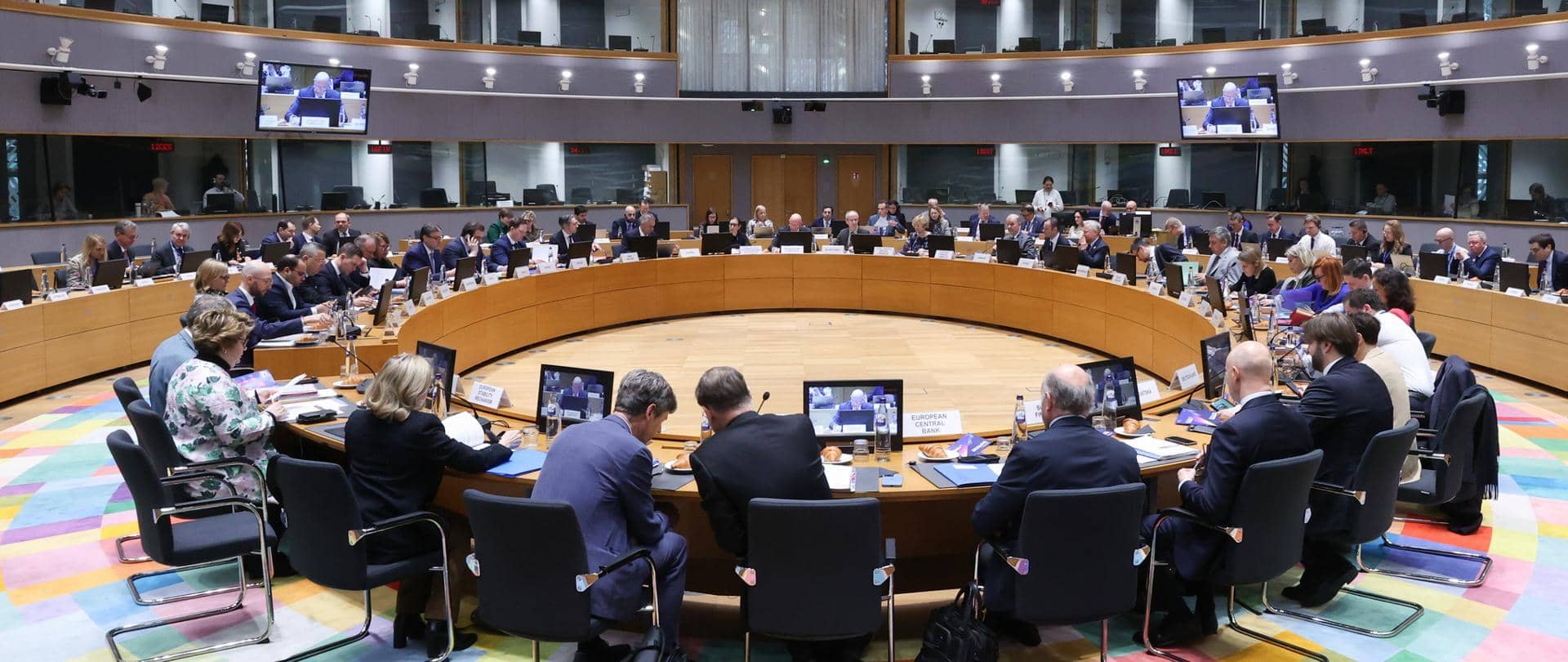
In Parliament the file sits with the economic affairs committee, whose rapporteur from the Patriots for Europe group published a draft report earlier this year, while negotiations among governments continue in parallel. The debate is not purely about health. An EU advisory body has cautioned against overreach, warning that taxing novel products too aggressively could blunt their appeal as less harmful alternatives to smoking and could push price-sensitive consumers toward the black market rather than toward quitting. Public-health advocates retort that lightly taxed vapes risk hooking a new generation on nicotine and that the gap between cigarette and e-cigarette taxation invites exactly the kind of substitution the directive should discourage.
The outcome will shape both wallets and waistbands of public budgets across the continent. If agreed, the revision would lift prices on a wide range of nicotine products and standardise treatment of devices that regulators have struggled to classify. If it stalls on the unanimity requirement, the EU will be left taxing a shrinking cigarette market with rules increasingly detached from how Europeans actually consume nicotine. For now the file remains open, a quiet but consequential test of whether the bloc can modernise an old tax for a fast-changing habit.