August 9, 2026
LATEST
New EU Gas Market Rules Take Effect With Consumer SafeguardsDeforestation Regulation Holds Its December Deadline Despite CutsDigital Omnibus Delays Europe’s High-Risk AI Deadline to 2027Europe’s Schools Confront a Widening Basic Skills GapRule of Law Report Finds Progress but Trust Still LagsIRIS2 Gains 66 Satellites as Brussels Signs the Rollout DealNature Restoration Plans Come Due as Member States Race a DeadlineECB Rates Hold at 2.25 Percent as Frankfurt Waits on the DataEU Budget Talks Turn to Cohesion as Ireland Takes OverWildfire Response Stretches Europe’s Emergency Fleet ThinCan Europe’s Quantum Plan Match Its Big Ambitions?Armenia Edges West as Moscow’s Grip Slips AwayEurope Inherits the World’s Aid Bill It Cannot Fully PayAir Passenger Rights Get Their First Overhaul in Two DecadesErasmus Opens a 5 Billion Euro Round for Skills and MobilityCeuta Crisis Pushes the EU Toward Faster Migrant ReturnsBulky Parcels Face a Packaging Crackdown From August 12Can Europe Build Its Drone Wall Before 2030 Arrives?Indonesia’s Trade Deal With Europe Nears Its Final SignatureEurope Leans on Beijing to Keep Climate Talks Alive Before AntalyaNew EU Gas Market Rules Take Effect With Consumer SafeguardsDeforestation Regulation Holds Its December Deadline Despite CutsDigital Omnibus Delays Europe’s High-Risk AI Deadline to 2027Europe’s Schools Confront a Widening Basic Skills GapRule of Law Report Finds Progress but Trust Still LagsIRIS2 Gains 66 Satellites as Brussels Signs the Rollout DealNature Restoration Plans Come Due as Member States Race a DeadlineECB Rates Hold at 2.25 Percent as Frankfurt Waits on the DataEU Budget Talks Turn to Cohesion as Ireland Takes OverWildfire Response Stretches Europe’s Emergency Fleet ThinCan Europe’s Quantum Plan Match Its Big Ambitions?Armenia Edges West as Moscow’s Grip Slips AwayEurope Inherits the World’s Aid Bill It Cannot Fully PayAir Passenger Rights Get Their First Overhaul in Two DecadesErasmus Opens a 5 Billion Euro Round for Skills and MobilityCeuta Crisis Pushes the EU Toward Faster Migrant ReturnsBulky Parcels Face a Packaging Crackdown From August 12Can Europe Build Its Drone Wall Before 2030 Arrives?Indonesia’s Trade Deal With Europe Nears Its Final SignatureEurope Leans on Beijing to Keep Climate Talks Alive Before Antalya
August 9, 2026
LATEST
New EU Gas Market Rules Take Effect With Consumer SafeguardsDeforestation Regulation Holds Its December Deadline Despite CutsDigital Omnibus Delays Europe’s High-Risk AI Deadline to 2027Europe’s Schools Confront a Widening Basic Skills GapRule of Law Report Finds Progress but Trust Still LagsIRIS2 Gains 66 Satellites as Brussels Signs the Rollout DealNature Restoration Plans Come Due as Member States Race a DeadlineECB Rates Hold at 2.25 Percent as Frankfurt Waits on the DataEU Budget Talks Turn to Cohesion as Ireland Takes OverWildfire Response Stretches Europe’s Emergency Fleet ThinCan Europe’s Quantum Plan Match Its Big Ambitions?Armenia Edges West as Moscow’s Grip Slips AwayEurope Inherits the World’s Aid Bill It Cannot Fully PayAir Passenger Rights Get Their First Overhaul in Two DecadesErasmus Opens a 5 Billion Euro Round for Skills and MobilityCeuta Crisis Pushes the EU Toward Faster Migrant ReturnsBulky Parcels Face a Packaging Crackdown From August 12Can Europe Build Its Drone Wall Before 2030 Arrives?Indonesia’s Trade Deal With Europe Nears Its Final SignatureEurope Leans on Beijing to Keep Climate Talks Alive Before AntalyaNew EU Gas Market Rules Take Effect With Consumer SafeguardsDeforestation Regulation Holds Its December Deadline Despite CutsDigital Omnibus Delays Europe’s High-Risk AI Deadline to 2027Europe’s Schools Confront a Widening Basic Skills GapRule of Law Report Finds Progress but Trust Still LagsIRIS2 Gains 66 Satellites as Brussels Signs the Rollout DealNature Restoration Plans Come Due as Member States Race a DeadlineECB Rates Hold at 2.25 Percent as Frankfurt Waits on the DataEU Budget Talks Turn to Cohesion as Ireland Takes OverWildfire Response Stretches Europe’s Emergency Fleet ThinCan Europe’s Quantum Plan Match Its Big Ambitions?Armenia Edges West as Moscow’s Grip Slips AwayEurope Inherits the World’s Aid Bill It Cannot Fully PayAir Passenger Rights Get Their First Overhaul in Two DecadesErasmus Opens a 5 Billion Euro Round for Skills and MobilityCeuta Crisis Pushes the EU Toward Faster Migrant ReturnsBulky Parcels Face a Packaging Crackdown From August 12Can Europe Build Its Drone Wall Before 2030 Arrives?Indonesia’s Trade Deal With Europe Nears Its Final SignatureEurope Leans on Beijing to Keep Climate Talks Alive Before Antalya

Vaping and Nicotine Pouches Face Their First Europe-Wide Tax Floor

Brussels: In a country whose government has emerged as one of the loudest opponents of the plan, the European Union’s effort to overhaul how it taxes tobacco and the new generation of nicotine products is grinding through a familiar gauntlet of national resistance. The Commission proposed a revision of the tobacco taxation directive last July, and the member states and the Parliament have spent the months since staking out positions that remain far apart.

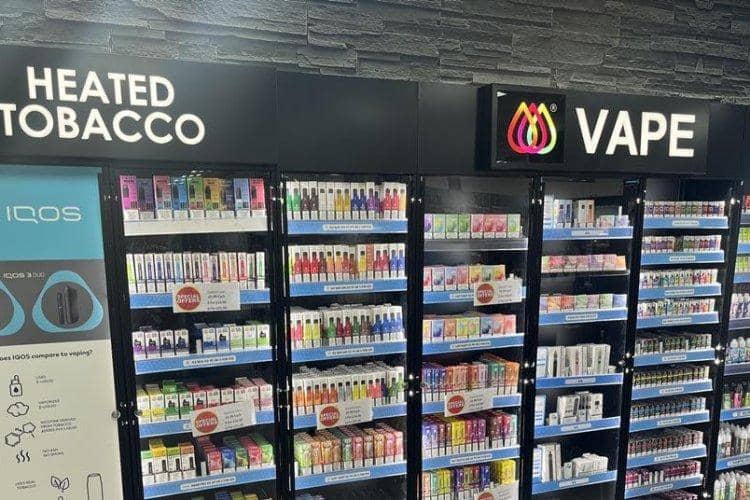
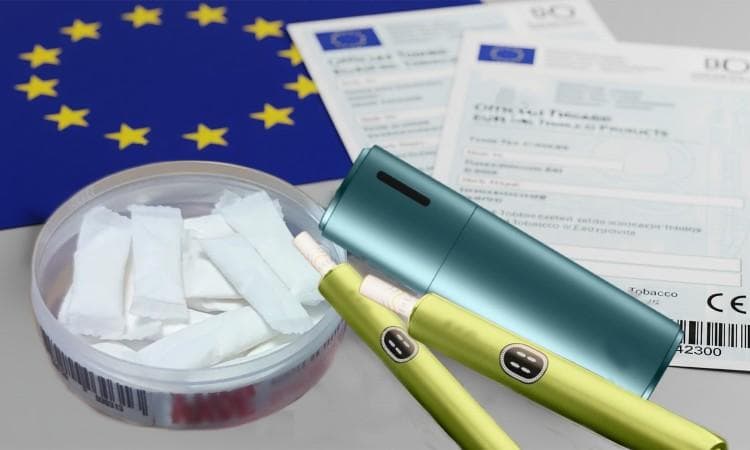
The existing framework, written for an era of cigarettes and rolling tobacco, sets minimum excise rates that have drifted out of line with both inflation and the market. The revision aims to update those floors and, more consequentially, to extend the directive’s reach to products that currently sit outside it: e-cigarette liquids, heated-tobacco sticks, nicotine pouches and other novel nicotine goods. The Commission has cast the move as part of the bloc’s cancer-prevention agenda, stressing that the new products are highly addictive and disproportionately appealing to teenagers.

Harmonising definitions is itself part of the exercise. Because vaping liquids and pouches have spread faster than the law governing them, national treatments vary wildly, with some governments taxing them heavily and others barely at all. By writing common definitions for heated tobacco, e-liquids and nicotine pouches into EU law, the proposal would for the first time give every member state a shared minimum rate to apply, closing the gaps that let products migrate to the lowest-tax markets.

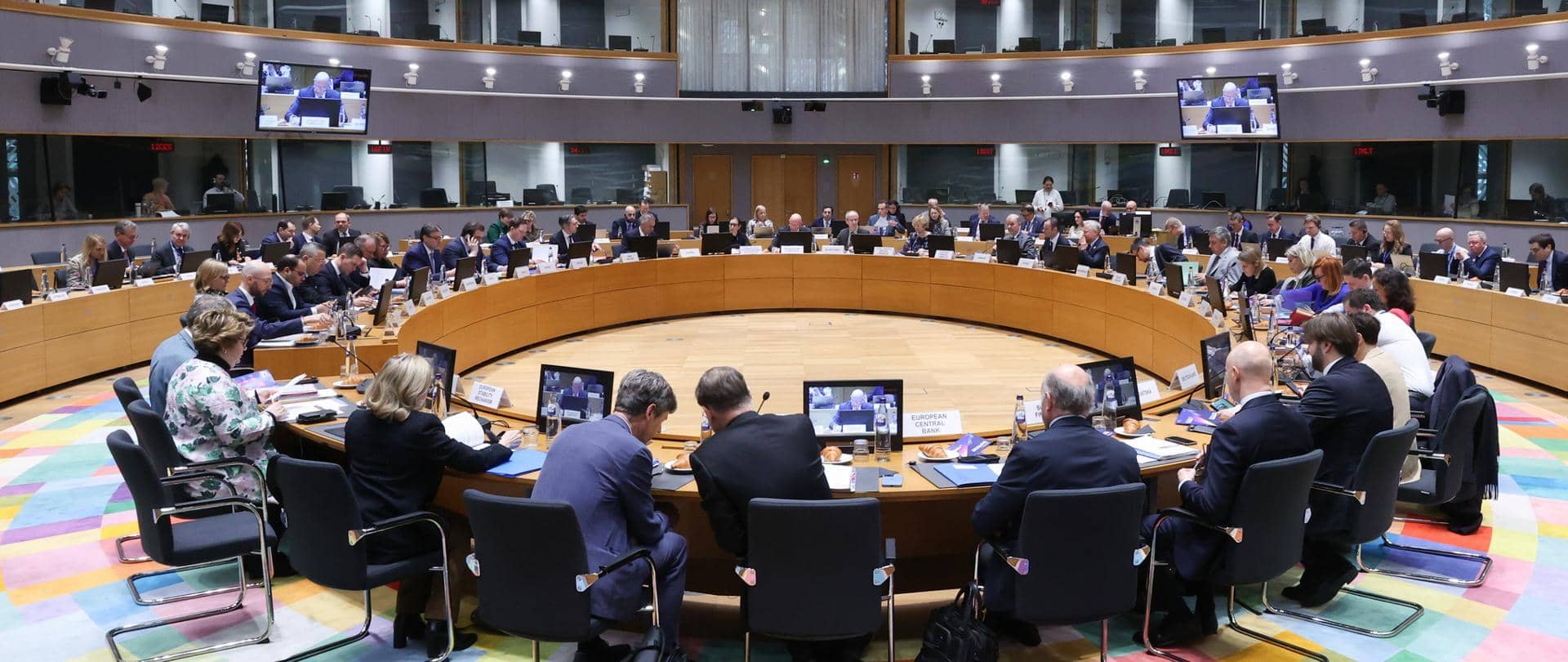
The politics are unusually raw because excise files require unanimity among the member states, handing any capital a veto. Italy, Greece, Romania and Luxembourg have openly opposed the proposal, wary of the effect on domestic manufacturers, consumer prices and, in some cases, lucrative national tax bases. Ranged against them, thirteen countries signed a letter of support, among them Austria, Belgium, Denmark, Ireland, Spain and the Netherlands, arguing that a level playing field and higher rates would advance both public health and the budgets of national treasuries.

Faced with that split, negotiators have already watered the ambition down. The latest draft recommends smaller increases than the Commission first sought, pencilling in a new minimum rate for cigarettes of four euros, below the figure floated at the outset, with correspondingly gentler rises for heated tobacco and vaping liquids. The retreat reflects the arithmetic of unanimity: a proposal that cannot win over the holdouts will not pass at all, so the text bends toward the most reluctant.

For public-health campaigners the dilution is dispiriting, since they see consistent, meaningful taxation as the single most effective lever for cutting consumption, especially among the young. For the industry, the extension of excise to vaping and pouches threatens to erode the price advantage that has driven their rapid growth. And for finance ministers, the calculation is partly fiscal, since addictive products have always been reliable revenue earners.

With unanimity required and four capitals dug in, the file’s path remains uncertain. The direction, though, is set: the next phase of European tobacco taxation will be defined as much by what happens to a vape as to a cigarette.