Helsinki: With a hard deadline approaching, member states are racing to draw up the plans that will decide whether one of the Union’s most contested green laws amounts to more than a promise. The Nature Restoration Regulation, in force since the summer of 2024, requires every government to submit a draft national restoration plan to the Commission by September, setting out exactly how it intends to nurse damaged ecosystems back to health.
The law is deliberately sweeping. It pairs a long-term goal of reviving nature across the bloc’s land and sea with binding targets for particular habitats and species, aiming to place restoration measures across at least a fifth of the Union’s territory and waters by 2030 and, in time, every ecosystem judged to need them by mid-century. Forests, wetlands, rivers, farmland and marine areas all fall within its scope, which is precisely why it drew such ferocious opposition from parts of the farming and forestry lobby before it squeaked through.
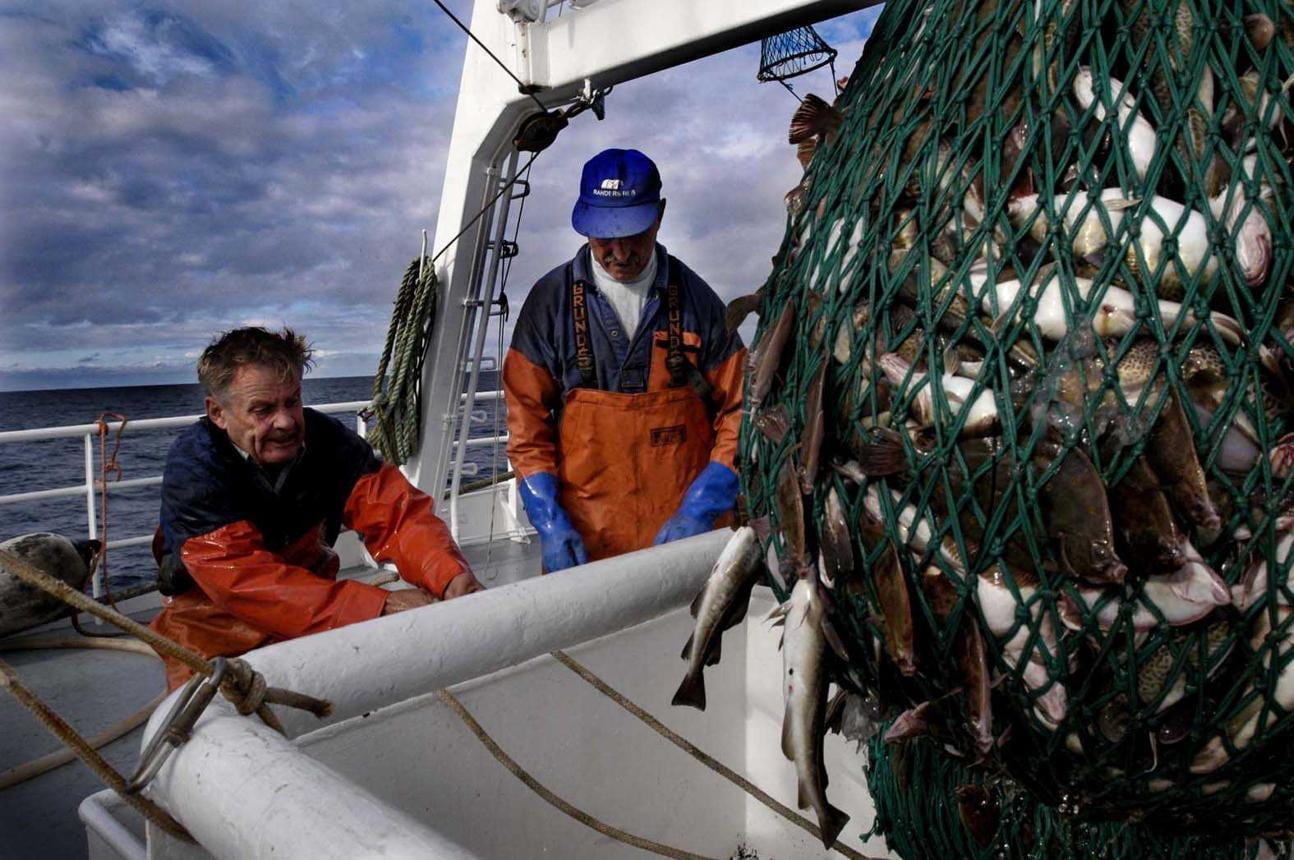
Fresh polling suggests the public is more comfortable with the ambition than the political fights implied. A Eurobarometer survey released in June found that restoring nature and repairing the damage caused by human activity was the single most popular action Europeans want the Union to take. When asked how it should be done, respondents did not reach for slogans. The most favoured local measure, backed by forty-five percent, was providing enough financial support for those directly affected, among them farmers, fishers, land managers and rural communities. Close behind, on forty-four percent, came a call for clear and understandable rules for business.
That pairing is telling. It suggests the resistance the law encountered was driven less by hostility to nature than by fear of who would carry the cost and how much red tape would follow. Peatland-rich and heavily forested countries face particularly delicate choices, since restoring drained bogs or ageing woodland can collide with energy, timber and agricultural interests that support entire regional economies. The national plans are where those trade-offs stop being abstract and start naming specific sites, budgets and timelines.
Money will shadow every one of them. The Commission has signalled that the Union’s next long-term budget should weave climate and environmental aims more tightly through its spending, and restoration is an obvious candidate for that integration. But farmers who remember earlier promises are wary, and land managers will judge the sincerity of the exercise by whether compensation actually arrives rather than by the warmth of the language in Brussels.
The September deadline turns rhetoric into paperwork, and paperwork into accountability. Once the draft plans are on the table, it becomes possible to see which governments have set concrete, funded commitments and which have offered vague intentions dressed up as ambition. The public, on the evidence of the latest survey, has already made its preference plain. Whether the plans match that appetite is the test the coming months will settle.