August 9, 2026
LATEST
New EU Gas Market Rules Take Effect With Consumer SafeguardsDeforestation Regulation Holds Its December Deadline Despite CutsDigital Omnibus Delays Europe’s High-Risk AI Deadline to 2027Europe’s Schools Confront a Widening Basic Skills GapRule of Law Report Finds Progress but Trust Still LagsIRIS2 Gains 66 Satellites as Brussels Signs the Rollout DealNature Restoration Plans Come Due as Member States Race a DeadlineECB Rates Hold at 2.25 Percent as Frankfurt Waits on the DataEU Budget Talks Turn to Cohesion as Ireland Takes OverWildfire Response Stretches Europe’s Emergency Fleet ThinCan Europe’s Quantum Plan Match Its Big Ambitions?Armenia Edges West as Moscow’s Grip Slips AwayEurope Inherits the World’s Aid Bill It Cannot Fully PayAir Passenger Rights Get Their First Overhaul in Two DecadesErasmus Opens a 5 Billion Euro Round for Skills and MobilityCeuta Crisis Pushes the EU Toward Faster Migrant ReturnsBulky Parcels Face a Packaging Crackdown From August 12Can Europe Build Its Drone Wall Before 2030 Arrives?Indonesia’s Trade Deal With Europe Nears Its Final SignatureEurope Leans on Beijing to Keep Climate Talks Alive Before AntalyaNew EU Gas Market Rules Take Effect With Consumer SafeguardsDeforestation Regulation Holds Its December Deadline Despite CutsDigital Omnibus Delays Europe’s High-Risk AI Deadline to 2027Europe’s Schools Confront a Widening Basic Skills GapRule of Law Report Finds Progress but Trust Still LagsIRIS2 Gains 66 Satellites as Brussels Signs the Rollout DealNature Restoration Plans Come Due as Member States Race a DeadlineECB Rates Hold at 2.25 Percent as Frankfurt Waits on the DataEU Budget Talks Turn to Cohesion as Ireland Takes OverWildfire Response Stretches Europe’s Emergency Fleet ThinCan Europe’s Quantum Plan Match Its Big Ambitions?Armenia Edges West as Moscow’s Grip Slips AwayEurope Inherits the World’s Aid Bill It Cannot Fully PayAir Passenger Rights Get Their First Overhaul in Two DecadesErasmus Opens a 5 Billion Euro Round for Skills and MobilityCeuta Crisis Pushes the EU Toward Faster Migrant ReturnsBulky Parcels Face a Packaging Crackdown From August 12Can Europe Build Its Drone Wall Before 2030 Arrives?Indonesia’s Trade Deal With Europe Nears Its Final SignatureEurope Leans on Beijing to Keep Climate Talks Alive Before Antalya
August 9, 2026
LATEST
New EU Gas Market Rules Take Effect With Consumer SafeguardsDeforestation Regulation Holds Its December Deadline Despite CutsDigital Omnibus Delays Europe’s High-Risk AI Deadline to 2027Europe’s Schools Confront a Widening Basic Skills GapRule of Law Report Finds Progress but Trust Still LagsIRIS2 Gains 66 Satellites as Brussels Signs the Rollout DealNature Restoration Plans Come Due as Member States Race a DeadlineECB Rates Hold at 2.25 Percent as Frankfurt Waits on the DataEU Budget Talks Turn to Cohesion as Ireland Takes OverWildfire Response Stretches Europe’s Emergency Fleet ThinCan Europe’s Quantum Plan Match Its Big Ambitions?Armenia Edges West as Moscow’s Grip Slips AwayEurope Inherits the World’s Aid Bill It Cannot Fully PayAir Passenger Rights Get Their First Overhaul in Two DecadesErasmus Opens a 5 Billion Euro Round for Skills and MobilityCeuta Crisis Pushes the EU Toward Faster Migrant ReturnsBulky Parcels Face a Packaging Crackdown From August 12Can Europe Build Its Drone Wall Before 2030 Arrives?Indonesia’s Trade Deal With Europe Nears Its Final SignatureEurope Leans on Beijing to Keep Climate Talks Alive Before AntalyaNew EU Gas Market Rules Take Effect With Consumer SafeguardsDeforestation Regulation Holds Its December Deadline Despite CutsDigital Omnibus Delays Europe’s High-Risk AI Deadline to 2027Europe’s Schools Confront a Widening Basic Skills GapRule of Law Report Finds Progress but Trust Still LagsIRIS2 Gains 66 Satellites as Brussels Signs the Rollout DealNature Restoration Plans Come Due as Member States Race a DeadlineECB Rates Hold at 2.25 Percent as Frankfurt Waits on the DataEU Budget Talks Turn to Cohesion as Ireland Takes OverWildfire Response Stretches Europe’s Emergency Fleet ThinCan Europe’s Quantum Plan Match Its Big Ambitions?Armenia Edges West as Moscow’s Grip Slips AwayEurope Inherits the World’s Aid Bill It Cannot Fully PayAir Passenger Rights Get Their First Overhaul in Two DecadesErasmus Opens a 5 Billion Euro Round for Skills and MobilityCeuta Crisis Pushes the EU Toward Faster Migrant ReturnsBulky Parcels Face a Packaging Crackdown From August 12Can Europe Build Its Drone Wall Before 2030 Arrives?Indonesia’s Trade Deal With Europe Nears Its Final SignatureEurope Leans on Beijing to Keep Climate Talks Alive Before Antalya

Wealth Gap Between Europe’s Richest and Poorest States Widens

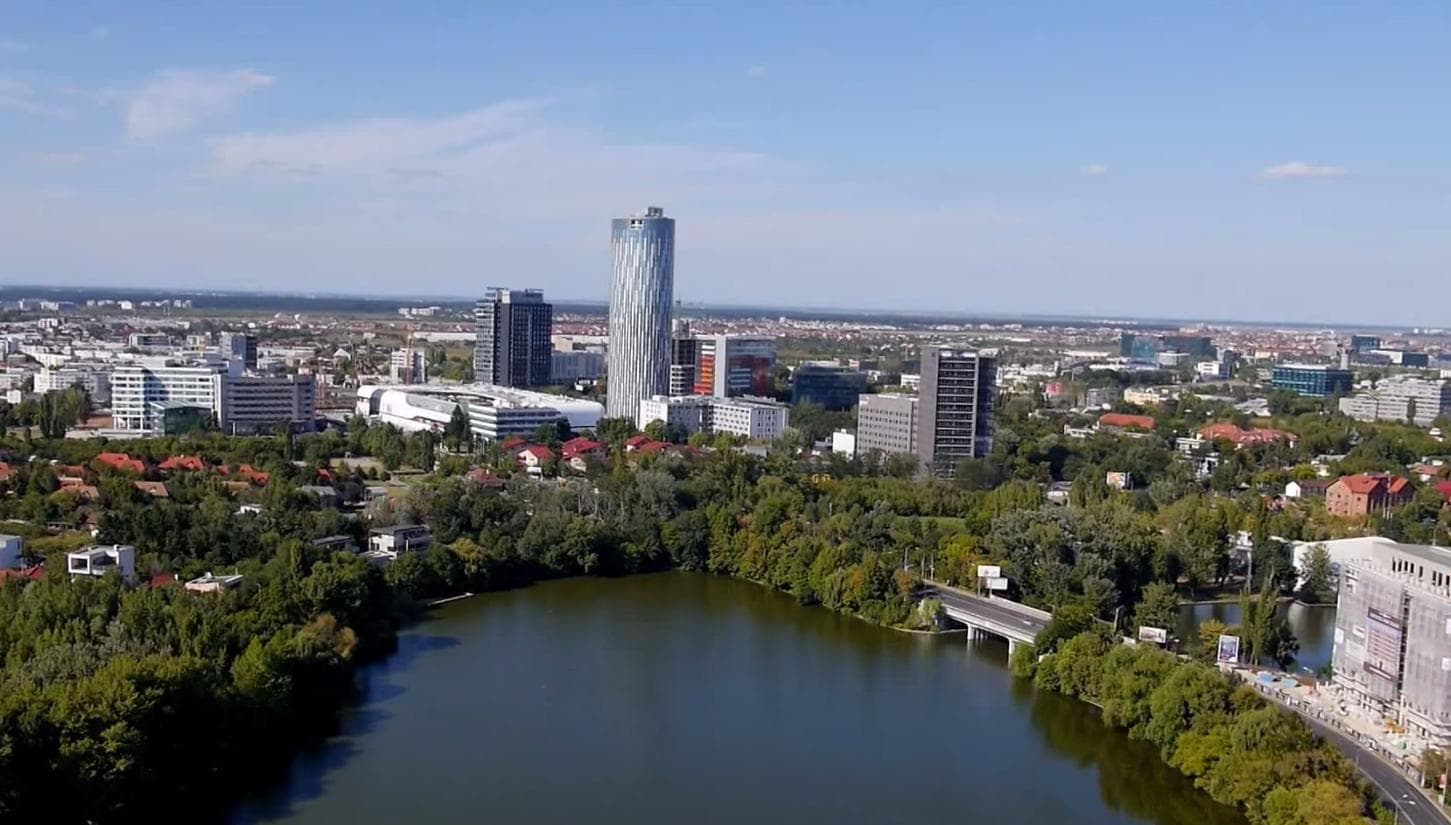
Bucharest: The figures that landed from the European Union’s statistical office this month carried a familiar and uncomfortable message. Average income in the bloc is rising, but the distance between its prosperous core and its struggling edges is not closing as fast as a generation of policymakers once promised.

According to Eurostat, gross domestic product per capita across the twenty-seven member states climbed to roughly 41,650 euros in 2025, up from 39,980 euros the year before. On paper that is a healthy advance, a sign that the post-pandemic recovery and a cooling of the energy crisis have left households modestly better off. Beneath the headline, however, the spread of national figures tells a more divided story.

The wealthiest member states continue to register income per head several times higher than the poorest. Small, finance-heavy economies and the established industrial powers of the north and west sit comfortably at the top of the table, while parts of the south-east remain far below the EU average even after years of catch-up growth. For a city like this one, where wages have risen sharply but still trail the western benchmark, the gap is not an abstraction but the reason so many young workers continue to board flights west.

Economists who study convergence draw a careful distinction between two trends that are easy to confuse. In relative terms, several of the newer member states have grown faster than the EU average for much of the past two decades, slowly narrowing the percentage gap. In absolute terms, because a fast growth rate applied to a smaller base still produces fewer euros, the cash distance between rich and poor regions can keep widening even as the ratio improves. Both things are happening at once, which is why politicians can argue about the same data and reach opposite conclusions.

The numbers matter for more than national pride. The EU’s vast cohesion budget, worth hundreds of billions over the current seven-year cycle, is allocated largely on the basis of how far a region sits below the average. As some regions cross statistical thresholds, they risk losing the development funding that helped lift them, a transition that can feel like punishment for success. The Commission has spent the past year wrestling with how to redesign those rules so that graduation does not become a cliff edge.

Inflation complicates the picture further. The per-capita figures are measured at current prices, meaning part of the rise reflects higher costs rather than genuinely fatter pay packets. Adjusted for purchasing power, the differences between member states shrink, because cheaper local goods and services stretch incomes further in lower-cost economies. That adjustment is cold comfort to anyone trying to buy an imported car or a home in a heated urban market.

What the spring release confirms is that economic geography in Europe remains stubborn. Roads, grants and single-market access have narrowed the gap, but they have not erased it. For the bloc’s poorer members, the promise of convergence is still real, still measurable, and still maddeningly slow.