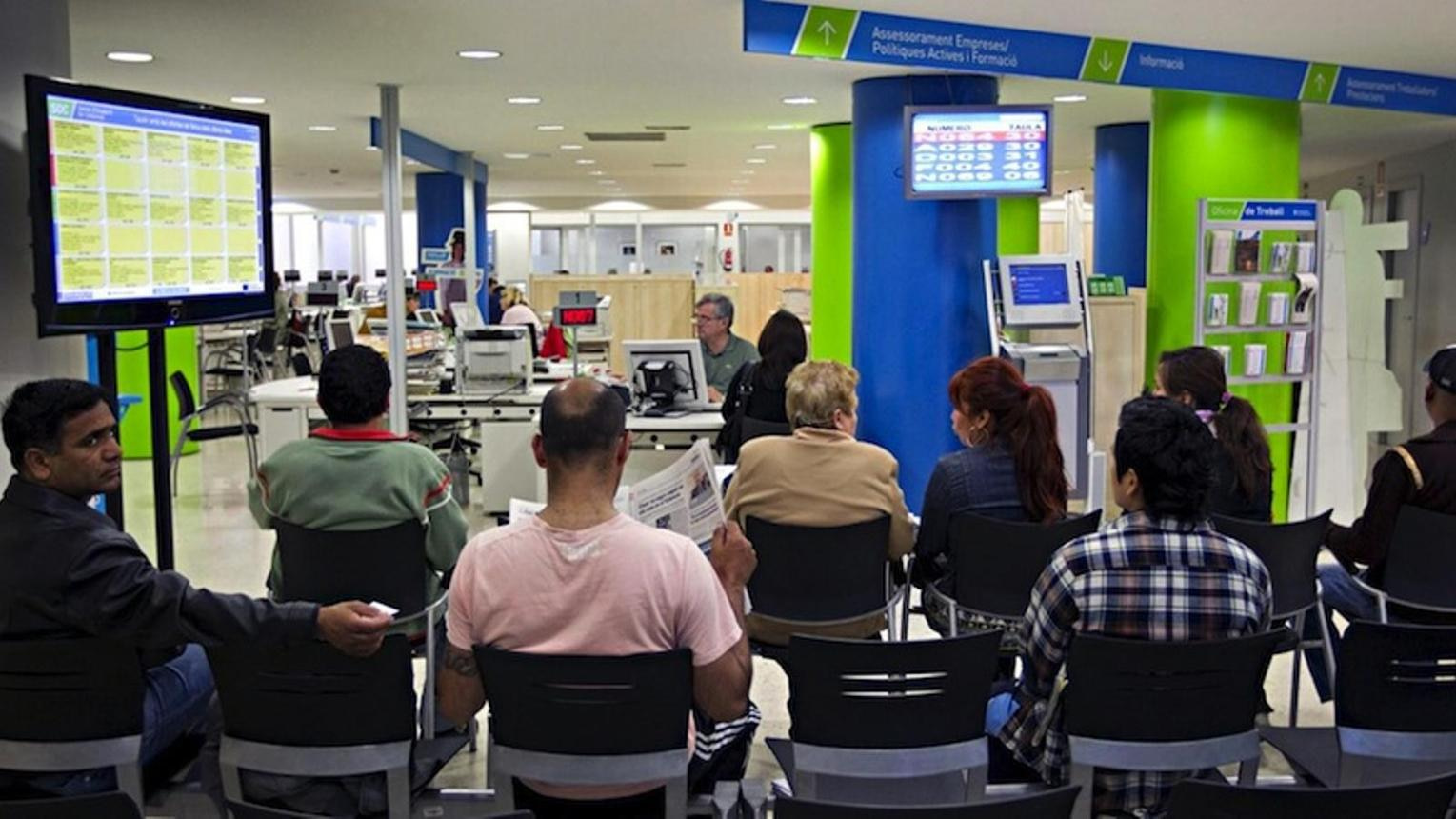
Madrid: The headline number from the latest Eurostat print holds steady at 6.2 percent for euro area unemployment, but the figure underneath it is what is drawing more attention in capitals this week. Youth unemployment across the single currency area sits at 14.9 percent for March 2026, with 2.354 million people under 25 out of work, and the gap between that headline and the broader rate has not closed despite four consecutive quarters of modest growth.
Spanish labour officials reading the data note that the southern member states continue to carry most of the weight. Spain, Italy and Greece each post youth rates well above the bloc average, while the Netherlands and Germany sit in single digits. The dispersion has narrowed since 2020 but remains the widest indicator gap inside the Eurostat dashboard, a point the Commission flagged in its Spring Package and which now feeds into the Country Specific Recommendations due in June.
Industrial production, released alongside the unemployment series, ticked up 0.2 percent month-on-month in March. The number reads better than the February print but still leaves manufacturing output below the level it reached at the start of 2024, and the breakdown shows the lift concentrated in non-durable consumer goods rather than capital equipment. That distribution matters for the Reinforced Youth Guarantee debate, where Council and Parliament negotiators are still pulling in different directions on how tightly to bind member states to placement timelines.
Spain’s data agency points to the apprenticeship pipeline as one mover behind the national figure. The dual vocational training reform that took effect in late 2024 now feeds roughly 110,000 contracts a year into the under-25 column, but the gain has not been enough to offset the loss of seasonal tourism hiring that the cold March weather produced. Coastal regions including Cantabria and Asturias saw month-on-month dips that pulled the national reading higher than the Bank of Spain had penciled in.
What worries analysts at the European Trade Union Institute is the longer arc. The under-25 rate has now been above 14 percent for 22 consecutive months, the longest such stretch since the post-2013 recovery. Job vacancy rates in industry have fallen for three quarters in a row, meaning the gap between unemployed young workers and posted openings is widening rather than closing. That dynamic argues against the labour-shortage framing that dominated the Letta and Draghi reports.
Inside the European Statistical System, the bigger near-term task is the rollout of the new monthly labour cost indicator. Eurostat aims to publish the first harmonised reading in September, drawing on data the national statistical institutes have been required to provide under the revised Regulation 530/1999. The series should let analysts cut wage pressure by sector and country at the same frequency as price data, closing a long-standing gap that the ECB has complained about publicly.
For now, the March print gives the Belgian Presidency a number to point to as it tries to land EPSCO conclusions on the Reinforced Youth Guarantee. The 14.9 percent reading is below the 15.2 percent the bloc averaged in 2025 but still six points above the headline rate, the kind of gap that keeps the labour file moving even as the economic data improves. The April release lands on 4 June and will tell whether the slow improvement holds or stalls.