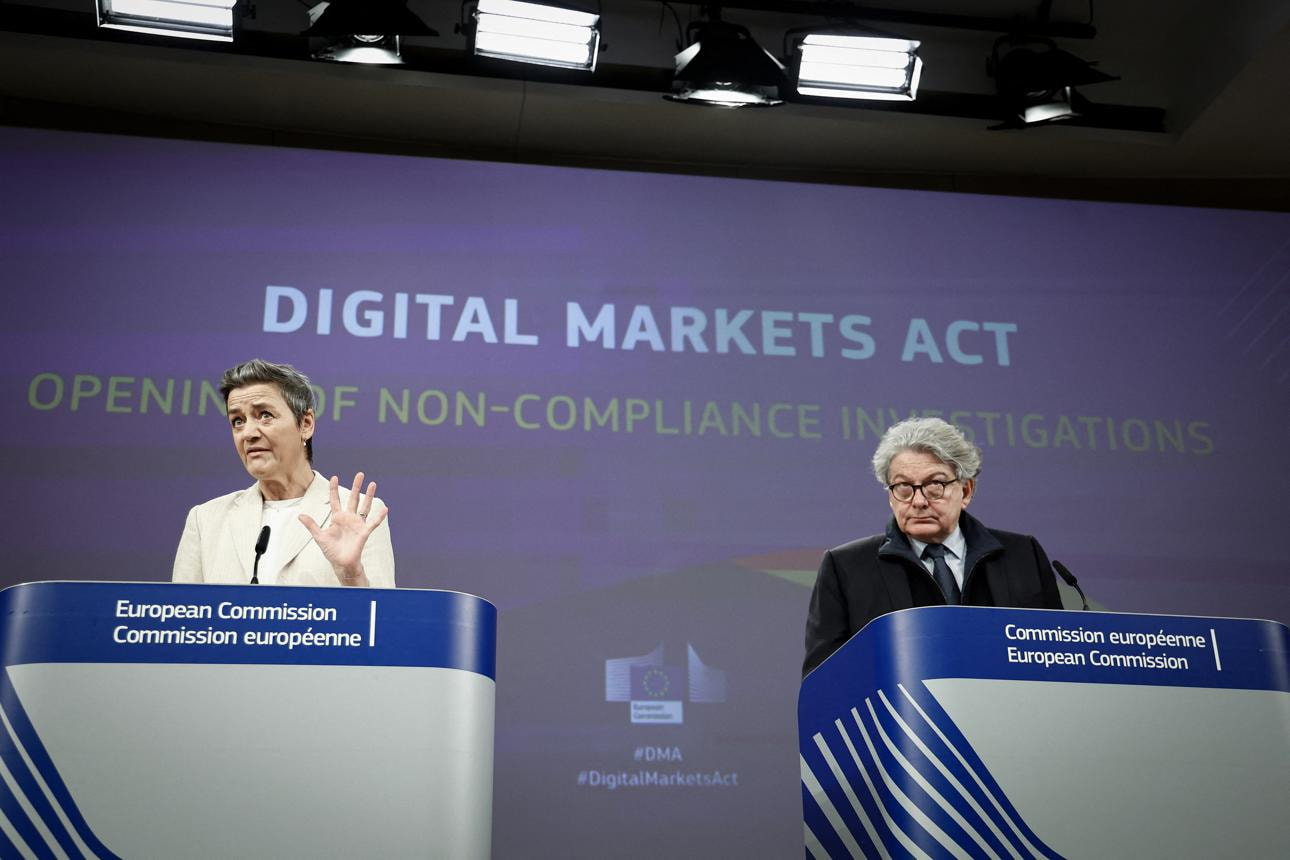
Brussels: The rulebooks are written, the transition years are over, and Europe is now discovering the harder part of regulating the world’s largest technology companies, which is making the penalties stick. A 120 million euro fine levied on X for breaches of the Digital Services Act, covering opaque advertising, a misleading verification badge and obstacles placed in front of researchers seeking public data, is the clearest signal yet that the Commission intends 2026 to be the year enforcement acquires teeth. Earlier penalties against Meta and Apple forced operational changes rather than mere accounting entries, and a fresh row of investigations is stacking up behind them.
The pipeline is revealing. Regulators are examining whether Meta’s messaging arm has blocked rival artificial intelligence developers, whether Google has scraped online material to train models without adequate permission, and how competition functions in cloud computing. Each probe tests a different seam of the twin regimes, the Digital Markets Act aimed at the gatekeeping power of the largest platforms and the Digital Services Act aimed at how they moderate content and treat users. Together they represent the most ambitious attempt any jurisdiction has made to convert principles about digital fairness into binding obligations.
Ambition, though, is colliding with geopolitics. Washington has framed the fines as a targeted tax on American champions, and threats of retaliatory tariffs have followed each high-profile penalty. That turns what Brussels casts as neutral rule-of-law enforcement into a transatlantic bargaining chip, and it raises an uncomfortable question about resolve. If the price of fining a Silicon Valley giant is a trade skirmish that lands on European exporters, will member states hold their nerve, or will enforcement be quietly softened in the back rooms where broader deals are struck.
There is a credible case for the companies, and it deserves airing. They argue that the obligations are vague, that compliance timelines have been compressed, and that European regulators are effectively designing products from the outside without accountability for the results. Some of the demands, such as opening platforms to rivals or restructuring how services interconnect, carry genuine engineering cost and unclear benefit to the very users the rules invoke. A fine is easy to announce; a remedy that improves the everyday experience of a European internet user is far harder to demonstrate.
Yet the deeper stakes favour seeing the enforcement through. The legitimacy of the entire European digital project rests on the perception that its laws mean something. Rules that are passed with fanfare and then declined to be applied would confirm the cynical view that the bloc excels at drafting and fails at delivery. Sums that sound enormous in a press release remain trivial against the revenues of firms that measure income in the hundreds of billions, which is why the credibility of the threat matters more than any single number. A penalty that changes corporate behaviour is worth more than one that merely raises money.
The next months will show which instinct prevails. Europe can either demonstrate that a market of 450 million consumers sets terms that global platforms must respect, or it can reveal that its celebrated rulebooks bend under pressure from a determined trading partner. The fine on X is a down payment on the first outcome. Whether it is followed through, or absorbed as a cost of doing business and quietly forgotten, will define whether Europe’s digital sovereignty is a reality or a slogan.