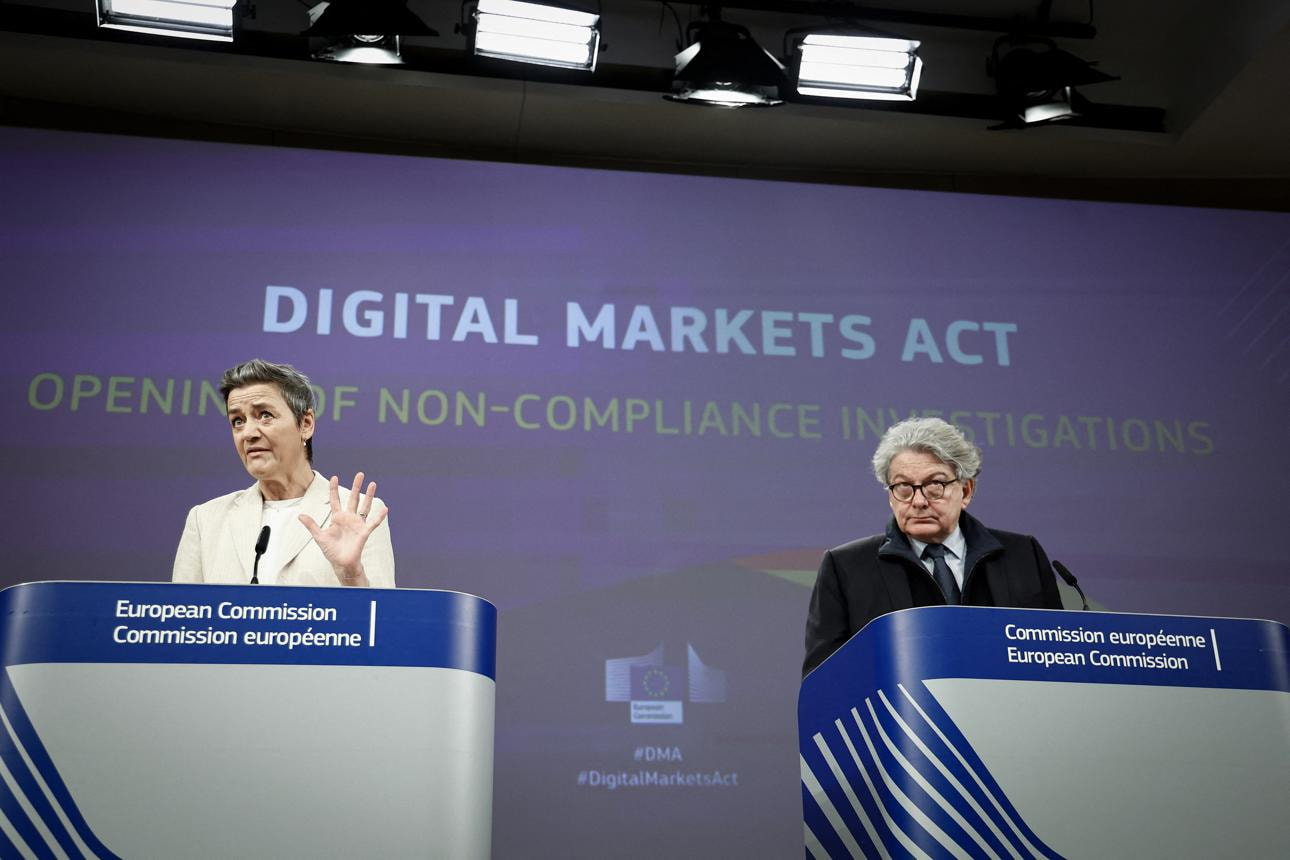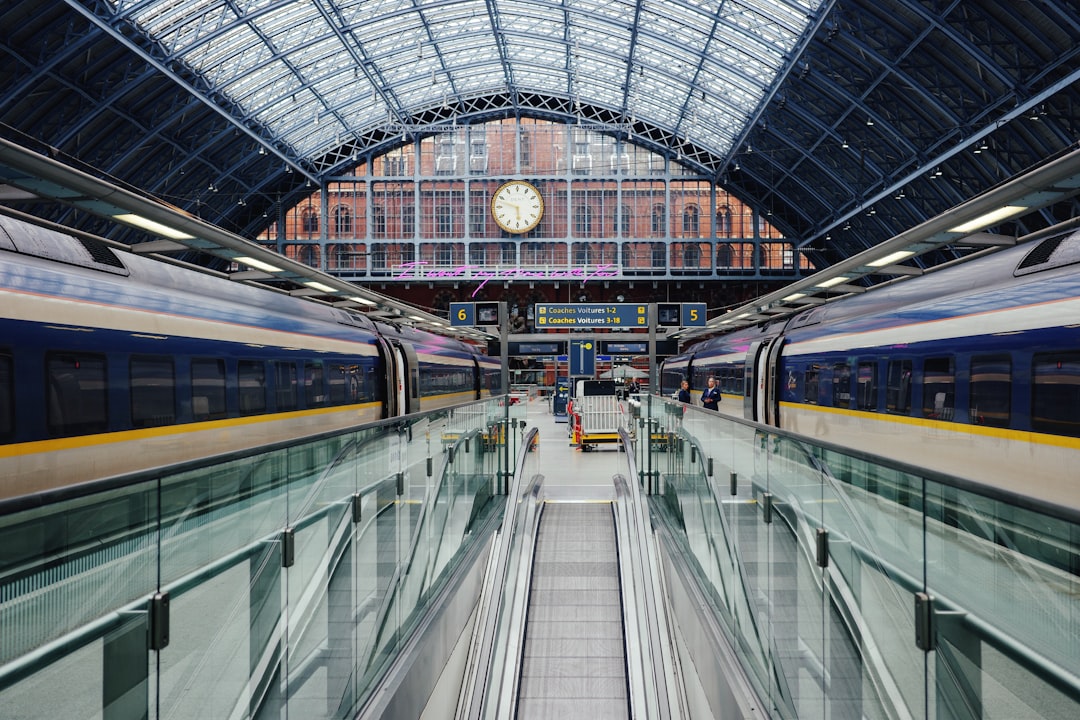
Brussels: The European Commission has unveiled the most ambitious overhaul of intra-EU rail ticketing in two decades, proposing a legislative trio aimed at dismantling the fragmented commercial structures that have long deterred travelers from choosing trains over short-haul flights. The package, announced on 13 May, arrives at a moment when modal-shift figures across the continent remain stubbornly below the Commission’s own 2030 benchmarks, despite a steady expansion of high-speed corridors and renewed investment in cross-border rolling stock.
At the heart of the proposal sits a Regulation on Rail Ticketing that obliges operators to make their inventory accessible to third-party retailers under transparent and non-discriminatory conditions. Carriers that hold more than 50 percent of the passenger market in their home country would be required to display competing services in their own booking results, and to sell those services on request. A second instrument, the Regulation on Multimodal Digital Mobility Services, extends comparable principles to bus, coach and shared mobility offers. A third proposal amends the existing Rail Passenger Rights Regulation to ensure that travelers holding a single combined ticket benefit from the same protections as those buying directly from an incumbent.
The reform addresses what Commission officials have described in technical briefings as a persistent ticketing wall between national networks. Independent rail advocacy groups estimate that fewer than seven percent of cross-border itineraries on the European network can currently be purchased in a single transaction without recourse to specialist intermediaries. Where through-tickets do exist, missed connections frequently leave passengers without recourse, since liability typically falls between operators rather than on a single contractual carrier.
Under the new framework, that gap closes. Single-ticket holders who miss a connecting service due to delay or cancellation would be entitled to assistance at the station of disruption, rerouting on the next reasonable alternative, full reimbursement if continuation becomes impractical, and standardized compensation pegged to the duration of the delay. The proposal also requires booking platforms to display real-time information about strikes, disruptions and accessibility features, answering a long-standing complaint from passenger associations.
Compliance timelines are tight but staggered. Once adopted by the Council and the European Parliament, operators will have twelve months to upgrade their interface protocols and distribution agreements. Smaller operators, defined by passenger-volume thresholds still to be finalized, would benefit from extended transition periods. The Commission’s impact assessment estimates that the rail sector will need to invest between 200 and 400 million euros over five years to bring legacy systems into compliance, a figure industry groups have not publicly contested.
The proposal sits within a broader transport policy agenda. Rail accounts for roughly eight percent of total passenger transport in the Union, a share that has changed little in fifteen years despite billions invested in new lines. Commission economists argue that ticketing friction explains a measurable portion of the gap between rail’s modal share and its theoretical potential on routes of 500 to 1,000 kilometers, distances where train travel can match or beat aviation door-to-door once airport access is factored in.
Resistance is anticipated. Several national incumbents have already signaled reservations about being compelled to retail competitors’ tickets, arguing that the obligation may dilute brand value and complicate revenue accounting. The European Travel Agents Association, by contrast, has called the proposal overdue, citing repeated failures of voluntary industry initiatives to deliver interoperable inventories.
The legislative path will run through the Council’s transport configuration and the Parliament’s TRAN committee, with first readings expected before the end of the year. Adoption is feasible by mid-2027, with full operational rollout by 2028. For the Commission, the political stakes are real. Rail is among the few sectors where the bloc retains a credible green-transition narrative, and a workable single-ticket framework is now widely seen as a precondition for that narrative to hold.