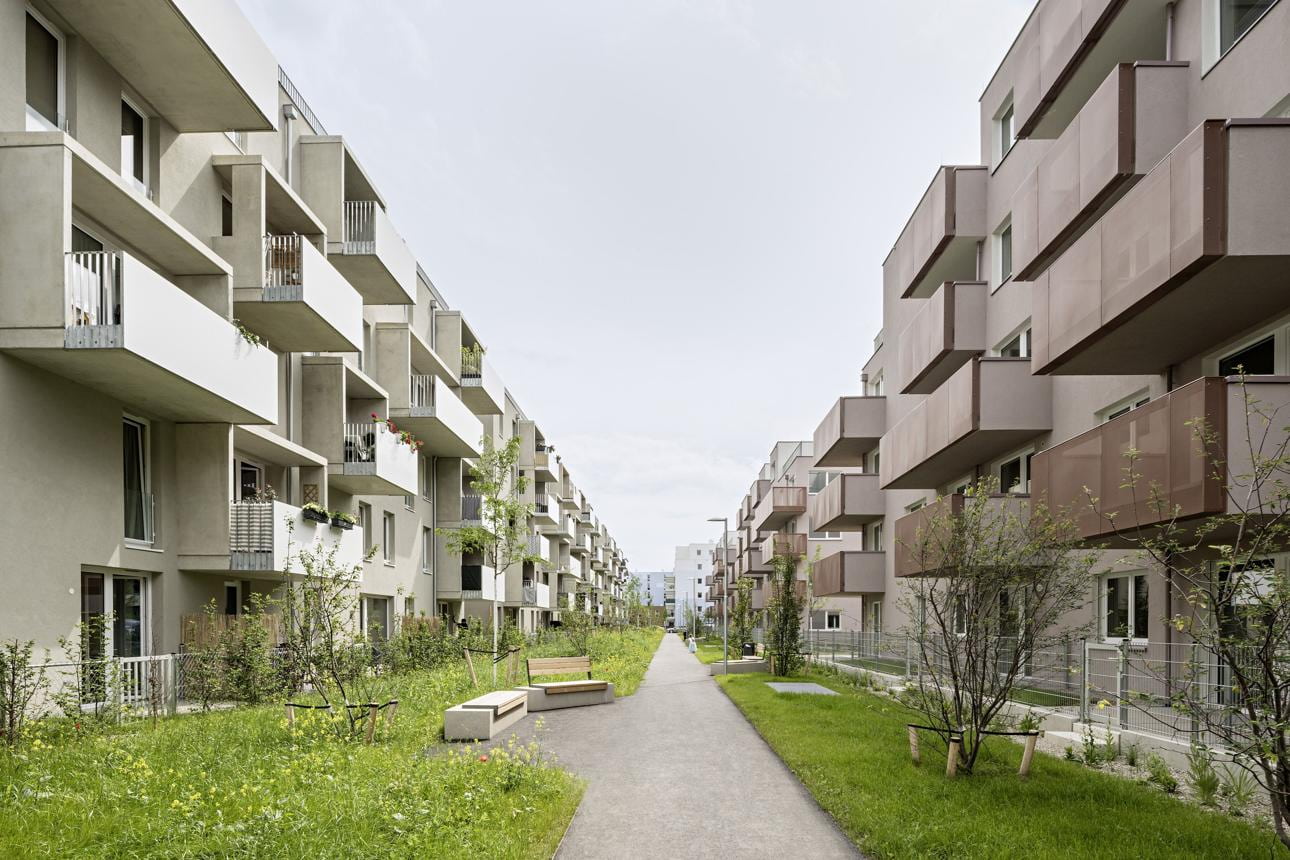
Brussels: Housing has become the rare policy problem that unites voters across every European capital, and for the first time the European Union has put its own plan on the table. The European Affordable Housing Plan, launched on 16 December 2025, is the bloc’s first attempt to treat a cost-of-living crisis long considered a purely national matter as a shared European concern.
The ambition is large, and so is the caveat. The EU has no direct power to build homes or cap rents, so the plan works through money, rules and coordination rather than bricks. Whether that indirect toolkit can move rents in Lisbon, Dublin or Berlin is the question that will define its success.
What the plan actually promises
The plan rests on four pillars: boosting supply, mobilising investment, offering immediate support while pushing reform, and protecting the households hit hardest. The headline figures are its investment promises.
The Commission points to 10 billion euros of additional EU budget money mobilised across 2026 and 2027, and up to 375 billion euros mobilised through partner financial institutions by 2029. A new Pan-European Investment Platform, built with the European Investment Bank and national promotional banks, is meant to channel that capital toward social and affordable housing.
Two regulatory moves matter more than the numbers. The Commission is revising state aid rules so governments can back social and affordable housing without seeking prior clearance from Brussels, removing a bureaucratic brake that slowed public projects for years.
The second is a promised legislative initiative on short-term rentals. Platforms such as Airbnb have hollowed out housing stock in tourist cities, and the plan signals that the EU will try to rebalance the trade-off between visitor income and resident affordability.
The limits of a plan without a hammer
The gap between announcement and impact is where scepticism lives. Investment mobilised is not the same as homes delivered, and much of the 375 billion euros depends on private and institutional lenders choosing to lend. State aid flexibility helps only where national and local governments hold the will and the budgets to build.
The plan also leans on political theatre to sustain momentum. An Affordable Housing Act is due in 2026, and the EU will host the first-ever summit of heads of state and government devoted to housing. Summits generate headlines; they do not pour concrete.
Yet the shift in framing carries weight. By naming housing a European priority, the Commission gives national reformers cover and a common vocabulary, and it opens EU funds that were previously hard to steer toward bricks and mortar. For member states that have neglected social housing for a generation, that permission and money may matter more than any binding rule.
The honest verdict is that the plan is necessary but not sufficient. It removes obstacles, unlocks finance and raises the political stakes, all of which help. It cannot, on its own, close the supply gap that decades of underbuilding created. The real test will come not in the summit communique of 2026 but in the rent statistics of 2028 and beyond, when Europeans discover whether Brussels changed the market or merely described it.