Dublin: The European Housing Alliance, which Energy and Housing Commissioner Dan Jorgensen launched on 12 May with a Brussels event and an open invitation to Member States, regions, cities and stakeholders, is presented as the operational arm of the Affordable Housing Plan adopted last December. Read closely, the launch is less a vehicle for new money than a coordination layer designed to make existing pipelines work harder. The Commission’s headline figures, with 10 billion euro projected from InvestEU across 2026 and 2027, an additional 1.5 billion euro expected from cohesion fund reprogramming, and a stated ambition to mobilise at least 43 billion euro across Cohesion Policy Funds, InvestEU, LIFE, the Single Market Programme, Horizon Europe and NextGenerationEU, hang together only if the Alliance can turn promotional commitments into bankable projects in capitals where the housing pipeline is most broken.
The structural problem the Alliance is meant to address is not a shortage of European money. It is a shortage of national and municipal capacity to absorb that money into completed units. Cohesion fund reprogramming requires national authorities to redirect operational programmes that were drafted years ago around different priorities, and it requires managing authorities at regional level to identify housing projects that can be appraised, contracted and built within the current programme period. InvestEU’s housing window depends on national promotional banks structuring deals that pass the implementing partner’s risk filter. Neither pathway moves in the time horizons that an acute crisis demands, and the Alliance’s first information meeting on 19 June will reveal how far the participating governments are prepared to push that calendar.
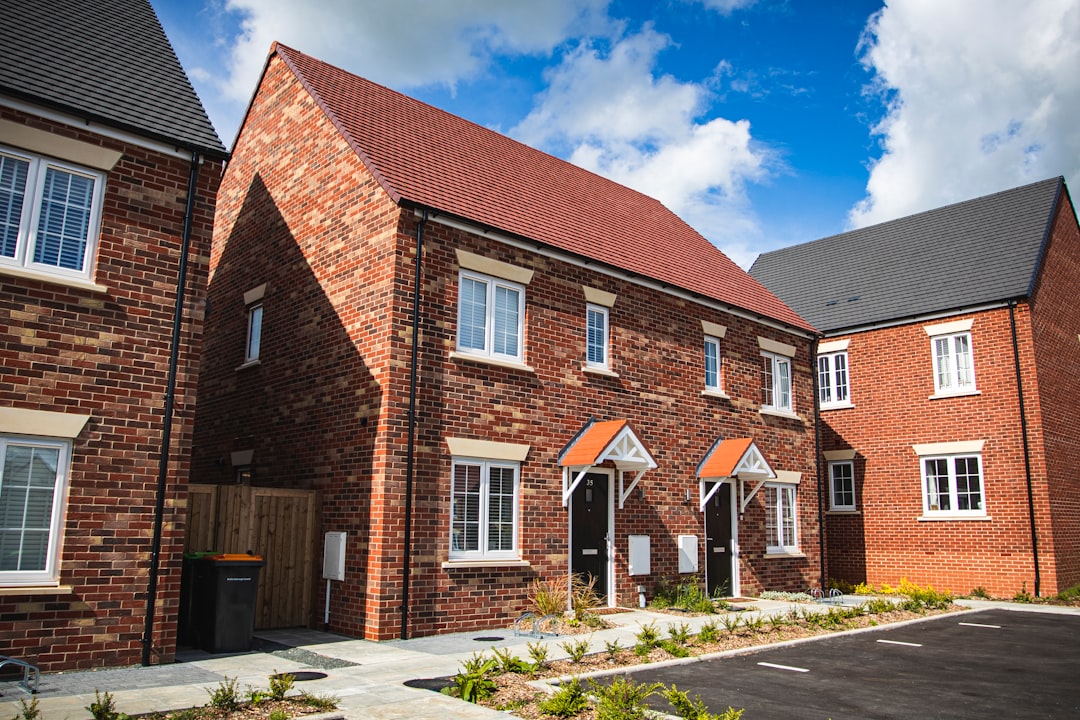
The political reading is more delicate. The Affordable Housing Plan landed against a backdrop of escalating rents in capital regions across Western Europe and a structural undersupply that in cities like Dublin, Lisbon and Amsterdam now reads in tens of thousands of units. Member States retain near-complete competence over housing, which is what allowed Jorgensen’s portfolio to exist at all only after sustained pressure from Council. The Alliance design respects that competence by positioning the Commission as convener and the Member States, regions and cities as primary actors. The corollary is that delivery risk sits almost entirely outside Brussels. If a national government wants to convert the InvestEU envelope into completed social housing units, it will need to absorb the deal-structuring effort, the procurement effort, and the construction risk. The Commission’s tools are mostly soft.
Two early tests will measure whether the soft tools matter. The first is whether the Alliance succeeds in standardising what affordable means across the bloc for the purpose of the financing instruments now being routed through it. The plan is supposed to broaden the definition of services of general economic interest so that more housing categories qualify for state aid treatment, but the practical metric will be how often national authorities cite the broadened definition when notifying schemes to DG Competition. The second test is whether the European Affordable Housing Fund that the Mayors for Housing Alliance has been openly lobbying for, with a target of mobilising up to 300 billion euro annually, lands inside the next Multiannual Financial Framework discussions. Without a dedicated instrument, the Alliance is reading as a coordination layer over existing envelopes rather than a financing breakthrough.
The macro outlook reinforces the urgency. Eurostat’s monthly construction prints continue to show residential building permits below pre-pandemic levels in several large markets, and the cost-of-credit environment, even after the European Central Bank’s rate path settled at two percent, has not restored developer margins to the levels at which speculative social housing pipelines clear. The Alliance, the Plan, and the InvestEU pipeline together represent the most ambitious housing intervention the Commission has attempted, but each component depends on national execution capacity that the Brussels institutions cannot directly enlarge. The 19 June meeting will be the first signal of whether Member States are prepared to convert the political moment into pipeline.