August 9, 2026
LATEST
New EU Gas Market Rules Take Effect With Consumer SafeguardsDeforestation Regulation Holds Its December Deadline Despite CutsDigital Omnibus Delays Europe’s High-Risk AI Deadline to 2027Europe’s Schools Confront a Widening Basic Skills GapRule of Law Report Finds Progress but Trust Still LagsIRIS2 Gains 66 Satellites as Brussels Signs the Rollout DealNature Restoration Plans Come Due as Member States Race a DeadlineECB Rates Hold at 2.25 Percent as Frankfurt Waits on the DataEU Budget Talks Turn to Cohesion as Ireland Takes OverWildfire Response Stretches Europe’s Emergency Fleet ThinCan Europe’s Quantum Plan Match Its Big Ambitions?Armenia Edges West as Moscow’s Grip Slips AwayEurope Inherits the World’s Aid Bill It Cannot Fully PayAir Passenger Rights Get Their First Overhaul in Two DecadesErasmus Opens a 5 Billion Euro Round for Skills and MobilityCeuta Crisis Pushes the EU Toward Faster Migrant ReturnsBulky Parcels Face a Packaging Crackdown From August 12Can Europe Build Its Drone Wall Before 2030 Arrives?Indonesia’s Trade Deal With Europe Nears Its Final SignatureEurope Leans on Beijing to Keep Climate Talks Alive Before AntalyaNew EU Gas Market Rules Take Effect With Consumer SafeguardsDeforestation Regulation Holds Its December Deadline Despite CutsDigital Omnibus Delays Europe’s High-Risk AI Deadline to 2027Europe’s Schools Confront a Widening Basic Skills GapRule of Law Report Finds Progress but Trust Still LagsIRIS2 Gains 66 Satellites as Brussels Signs the Rollout DealNature Restoration Plans Come Due as Member States Race a DeadlineECB Rates Hold at 2.25 Percent as Frankfurt Waits on the DataEU Budget Talks Turn to Cohesion as Ireland Takes OverWildfire Response Stretches Europe’s Emergency Fleet ThinCan Europe’s Quantum Plan Match Its Big Ambitions?Armenia Edges West as Moscow’s Grip Slips AwayEurope Inherits the World’s Aid Bill It Cannot Fully PayAir Passenger Rights Get Their First Overhaul in Two DecadesErasmus Opens a 5 Billion Euro Round for Skills and MobilityCeuta Crisis Pushes the EU Toward Faster Migrant ReturnsBulky Parcels Face a Packaging Crackdown From August 12Can Europe Build Its Drone Wall Before 2030 Arrives?Indonesia’s Trade Deal With Europe Nears Its Final SignatureEurope Leans on Beijing to Keep Climate Talks Alive Before Antalya
August 9, 2026
LATEST
New EU Gas Market Rules Take Effect With Consumer SafeguardsDeforestation Regulation Holds Its December Deadline Despite CutsDigital Omnibus Delays Europe’s High-Risk AI Deadline to 2027Europe’s Schools Confront a Widening Basic Skills GapRule of Law Report Finds Progress but Trust Still LagsIRIS2 Gains 66 Satellites as Brussels Signs the Rollout DealNature Restoration Plans Come Due as Member States Race a DeadlineECB Rates Hold at 2.25 Percent as Frankfurt Waits on the DataEU Budget Talks Turn to Cohesion as Ireland Takes OverWildfire Response Stretches Europe’s Emergency Fleet ThinCan Europe’s Quantum Plan Match Its Big Ambitions?Armenia Edges West as Moscow’s Grip Slips AwayEurope Inherits the World’s Aid Bill It Cannot Fully PayAir Passenger Rights Get Their First Overhaul in Two DecadesErasmus Opens a 5 Billion Euro Round for Skills and MobilityCeuta Crisis Pushes the EU Toward Faster Migrant ReturnsBulky Parcels Face a Packaging Crackdown From August 12Can Europe Build Its Drone Wall Before 2030 Arrives?Indonesia’s Trade Deal With Europe Nears Its Final SignatureEurope Leans on Beijing to Keep Climate Talks Alive Before AntalyaNew EU Gas Market Rules Take Effect With Consumer SafeguardsDeforestation Regulation Holds Its December Deadline Despite CutsDigital Omnibus Delays Europe’s High-Risk AI Deadline to 2027Europe’s Schools Confront a Widening Basic Skills GapRule of Law Report Finds Progress but Trust Still LagsIRIS2 Gains 66 Satellites as Brussels Signs the Rollout DealNature Restoration Plans Come Due as Member States Race a DeadlineECB Rates Hold at 2.25 Percent as Frankfurt Waits on the DataEU Budget Talks Turn to Cohesion as Ireland Takes OverWildfire Response Stretches Europe’s Emergency Fleet ThinCan Europe’s Quantum Plan Match Its Big Ambitions?Armenia Edges West as Moscow’s Grip Slips AwayEurope Inherits the World’s Aid Bill It Cannot Fully PayAir Passenger Rights Get Their First Overhaul in Two DecadesErasmus Opens a 5 Billion Euro Round for Skills and MobilityCeuta Crisis Pushes the EU Toward Faster Migrant ReturnsBulky Parcels Face a Packaging Crackdown From August 12Can Europe Build Its Drone Wall Before 2030 Arrives?Indonesia’s Trade Deal With Europe Nears Its Final SignatureEurope Leans on Beijing to Keep Climate Talks Alive Before Antalya

Can One Digital Wallet Untangle EU Corporate Red Tape

Brussels: Most of the European Union’s promises to cut red tape die in the gap between ambition and plumbing. The proposed European business wallet is a test of whether that gap can be closed, because it attacks bureaucracy not with another directive demanding simplification but with a concrete piece of digital infrastructure. Tabled in November 2025 and now moving through the Council as telecom ministers weigh a general approach, it would give every company a single, legally recognised tool to identify itself, sign documents and exchange data with public authorities across all twenty-seven member states.

The problem it targets is real and expensive. A firm that wants to bid for a contract, register a subsidiary or file a customs declaration in another member state typically re-proves who it is, re-uploads the same certificates and navigates a different national portal each time. This duplication is a tax on cross-border activity that falls hardest on smaller companies without legal departments to absorb it. By making a business wallet carry identification, electronic signing and qualified registered delivery with full legal effect everywhere in the Union, the proposal promises to turn a stack of repeated national procedures into one reusable credential.

The design choice that gives it teeth is the obligation on the other side of the counter. Public sector bodies would be required to accept business wallets for core functions, with twenty-four months from entry into force to make their systems ready. Mandates of this kind are what separate digital ambitions that work from those that gather dust, because a credential no authority is obliged to accept is merely a nicer login. Compelling administrations to recognise the wallet is the difference between an optional convenience and genuine single-market plumbing, and it is also where national implementation will quietly determine whether the promise survives contact with reality.

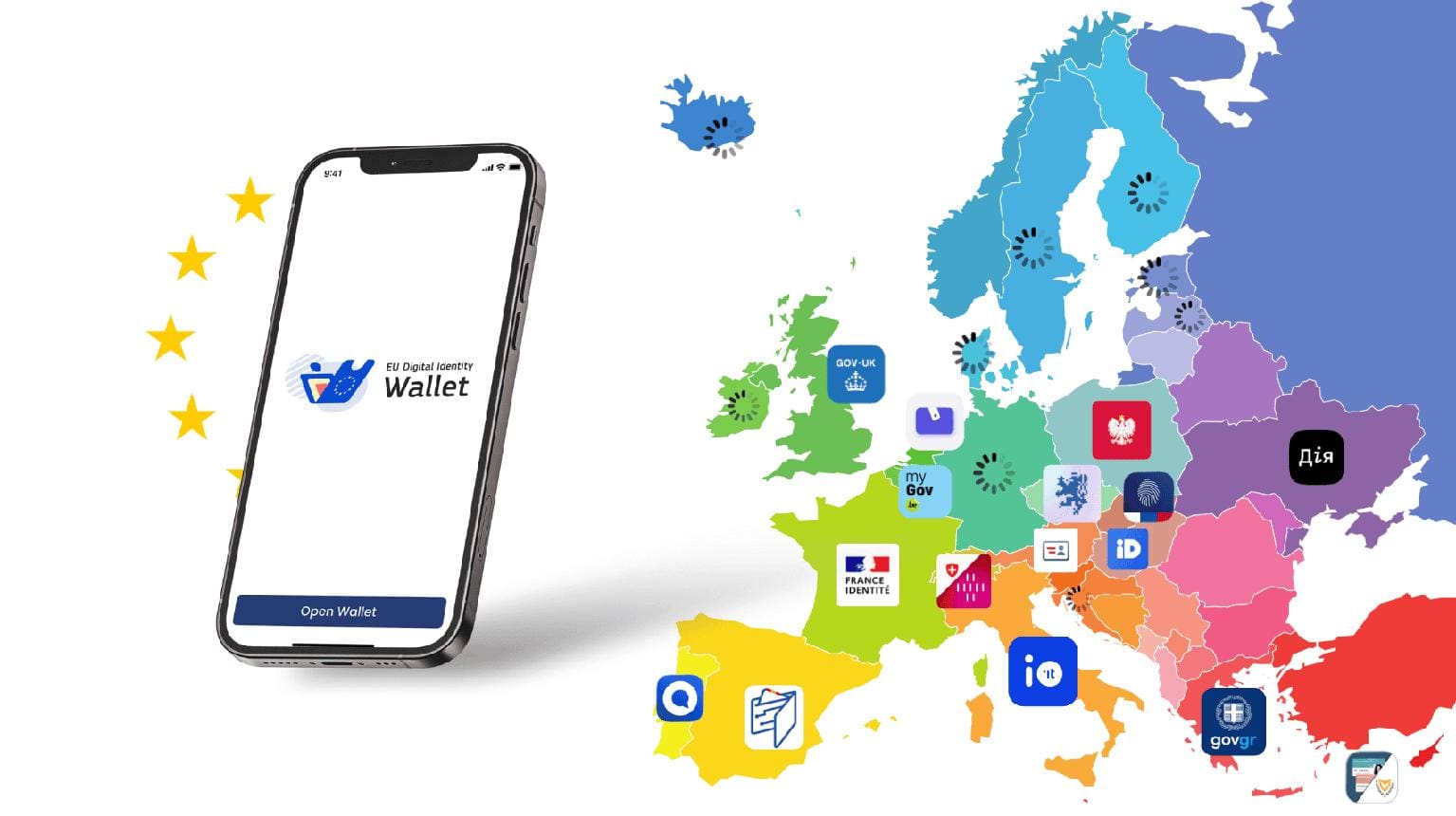
The wallet does not stand alone. It runs parallel to the citizen-facing digital identity wallet that member states must offer individuals by the end of 2026, and the two together sketch a Union where both people and companies hold portable, state-recognised digital credentials. That is a meaningful shift in how Europeans interact with their own governments, and it carries the familiar promise and peril of any identity system. Convenience and surveillance are built from the same materials, and the safeguards around how business data is shared and logged will matter as much as the efficiency gains the proposal advertises.

The most revealing part of the debate is not about convenience at all but about control. The Parliament’s rapporteur has pushed for wallet providers, registered delivery services and the cloud infrastructure behind them to be established in the Union and free from third-country control. This is digital sovereignty stated in plain procurement language. Underneath a measure sold as administrative relief sits a strategic judgement that the Union should not run its core identity infrastructure on systems that a foreign government could reach into. Whether Europe has the domestic providers to satisfy that ambition without raising costs is an unresolved question, and it is the one most likely to slow the file.

There are reasons for measured expectations. The history of European digital projects is littered with elegant frameworks that stalled because national systems never quite interoperated, because member states implemented at twenty-seven different speeds, or because the businesses meant to benefit found the onboarding as painful as the paperwork it replaced. A wallet is only as useful as the registries and portals it can actually talk to, and the hard work is the integration that happens long after the regulation is adopted.

Still, the instinct behind the proposal is the right one. Europe’s single market has always been more complete on paper than in the daily experience of the firms trying to use it, and friction in identification and document exchange is one of the most stubborn reasons why. A working business wallet would not finish the single market, but it would remove one of the dullest and most persistent obstacles to operating across it. The measure of success will be unromantic, namely whether a company in one member state can deal with an authority in another without noticing the border at all.