August 9, 2026
LATEST
New EU Gas Market Rules Take Effect With Consumer SafeguardsDeforestation Regulation Holds Its December Deadline Despite CutsDigital Omnibus Delays Europe’s High-Risk AI Deadline to 2027Europe’s Schools Confront a Widening Basic Skills GapRule of Law Report Finds Progress but Trust Still LagsIRIS2 Gains 66 Satellites as Brussels Signs the Rollout DealNature Restoration Plans Come Due as Member States Race a DeadlineECB Rates Hold at 2.25 Percent as Frankfurt Waits on the DataEU Budget Talks Turn to Cohesion as Ireland Takes OverWildfire Response Stretches Europe’s Emergency Fleet ThinCan Europe’s Quantum Plan Match Its Big Ambitions?Armenia Edges West as Moscow’s Grip Slips AwayEurope Inherits the World’s Aid Bill It Cannot Fully PayAir Passenger Rights Get Their First Overhaul in Two DecadesErasmus Opens a 5 Billion Euro Round for Skills and MobilityCeuta Crisis Pushes the EU Toward Faster Migrant ReturnsBulky Parcels Face a Packaging Crackdown From August 12Can Europe Build Its Drone Wall Before 2030 Arrives?Indonesia’s Trade Deal With Europe Nears Its Final SignatureEurope Leans on Beijing to Keep Climate Talks Alive Before AntalyaNew EU Gas Market Rules Take Effect With Consumer SafeguardsDeforestation Regulation Holds Its December Deadline Despite CutsDigital Omnibus Delays Europe’s High-Risk AI Deadline to 2027Europe’s Schools Confront a Widening Basic Skills GapRule of Law Report Finds Progress but Trust Still LagsIRIS2 Gains 66 Satellites as Brussels Signs the Rollout DealNature Restoration Plans Come Due as Member States Race a DeadlineECB Rates Hold at 2.25 Percent as Frankfurt Waits on the DataEU Budget Talks Turn to Cohesion as Ireland Takes OverWildfire Response Stretches Europe’s Emergency Fleet ThinCan Europe’s Quantum Plan Match Its Big Ambitions?Armenia Edges West as Moscow’s Grip Slips AwayEurope Inherits the World’s Aid Bill It Cannot Fully PayAir Passenger Rights Get Their First Overhaul in Two DecadesErasmus Opens a 5 Billion Euro Round for Skills and MobilityCeuta Crisis Pushes the EU Toward Faster Migrant ReturnsBulky Parcels Face a Packaging Crackdown From August 12Can Europe Build Its Drone Wall Before 2030 Arrives?Indonesia’s Trade Deal With Europe Nears Its Final SignatureEurope Leans on Beijing to Keep Climate Talks Alive Before Antalya
August 9, 2026
LATEST
New EU Gas Market Rules Take Effect With Consumer SafeguardsDeforestation Regulation Holds Its December Deadline Despite CutsDigital Omnibus Delays Europe’s High-Risk AI Deadline to 2027Europe’s Schools Confront a Widening Basic Skills GapRule of Law Report Finds Progress but Trust Still LagsIRIS2 Gains 66 Satellites as Brussels Signs the Rollout DealNature Restoration Plans Come Due as Member States Race a DeadlineECB Rates Hold at 2.25 Percent as Frankfurt Waits on the DataEU Budget Talks Turn to Cohesion as Ireland Takes OverWildfire Response Stretches Europe’s Emergency Fleet ThinCan Europe’s Quantum Plan Match Its Big Ambitions?Armenia Edges West as Moscow’s Grip Slips AwayEurope Inherits the World’s Aid Bill It Cannot Fully PayAir Passenger Rights Get Their First Overhaul in Two DecadesErasmus Opens a 5 Billion Euro Round for Skills and MobilityCeuta Crisis Pushes the EU Toward Faster Migrant ReturnsBulky Parcels Face a Packaging Crackdown From August 12Can Europe Build Its Drone Wall Before 2030 Arrives?Indonesia’s Trade Deal With Europe Nears Its Final SignatureEurope Leans on Beijing to Keep Climate Talks Alive Before AntalyaNew EU Gas Market Rules Take Effect With Consumer SafeguardsDeforestation Regulation Holds Its December Deadline Despite CutsDigital Omnibus Delays Europe’s High-Risk AI Deadline to 2027Europe’s Schools Confront a Widening Basic Skills GapRule of Law Report Finds Progress but Trust Still LagsIRIS2 Gains 66 Satellites as Brussels Signs the Rollout DealNature Restoration Plans Come Due as Member States Race a DeadlineECB Rates Hold at 2.25 Percent as Frankfurt Waits on the DataEU Budget Talks Turn to Cohesion as Ireland Takes OverWildfire Response Stretches Europe’s Emergency Fleet ThinCan Europe’s Quantum Plan Match Its Big Ambitions?Armenia Edges West as Moscow’s Grip Slips AwayEurope Inherits the World’s Aid Bill It Cannot Fully PayAir Passenger Rights Get Their First Overhaul in Two DecadesErasmus Opens a 5 Billion Euro Round for Skills and MobilityCeuta Crisis Pushes the EU Toward Faster Migrant ReturnsBulky Parcels Face a Packaging Crackdown From August 12Can Europe Build Its Drone Wall Before 2030 Arrives?Indonesia’s Trade Deal With Europe Nears Its Final SignatureEurope Leans on Beijing to Keep Climate Talks Alive Before Antalya

Can Qwant Wean The EU Parliament Off Google For Good

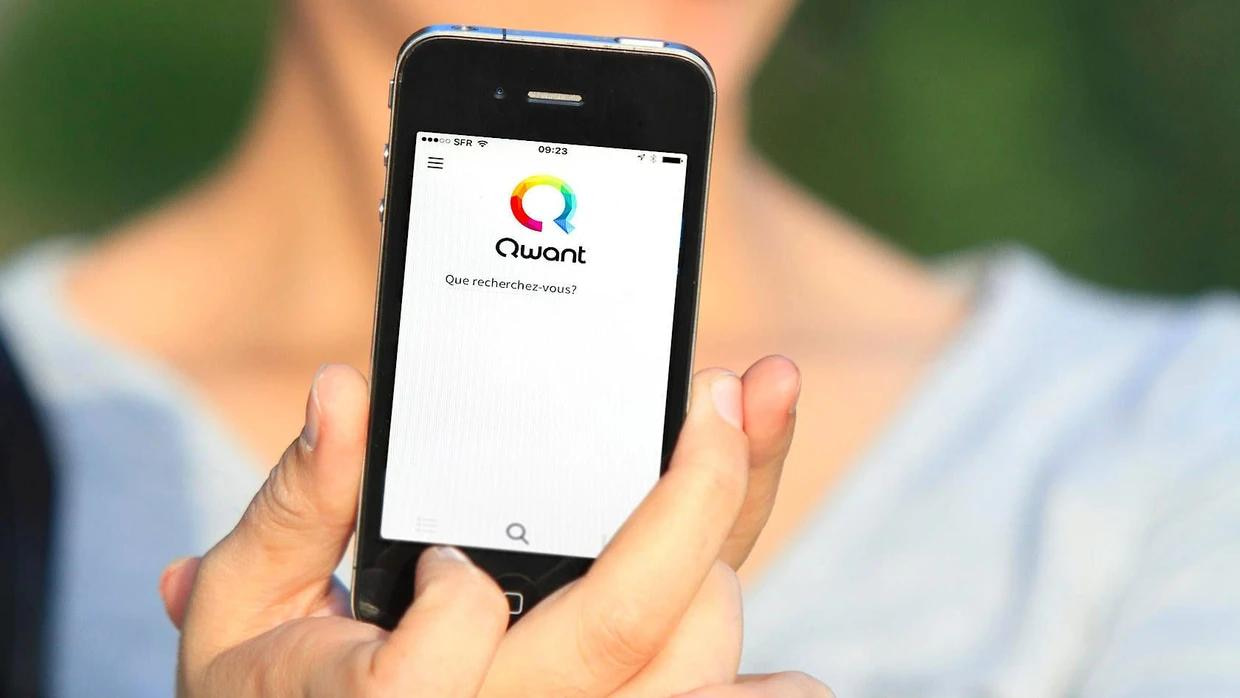
Strasbourg: From 4 June, the roughly 720 lawmakers of the European Parliament, along with the thousands of assistants and administrators who keep the institution running, will find a different name in the search bar of their work browsers. Qwant, a French privacy-focused engine that builds its own search index rather than renting results from a larger rival, becomes the default on the Parliament’s Microsoft Edge and Mozilla Firefox installations. Users can still switch back to Google with a few clicks. The question is whether a default setting, reversible by anyone who cannot find what they are looking for, amounts to genuine technological independence or merely a symbolic gesture dressed up as one.

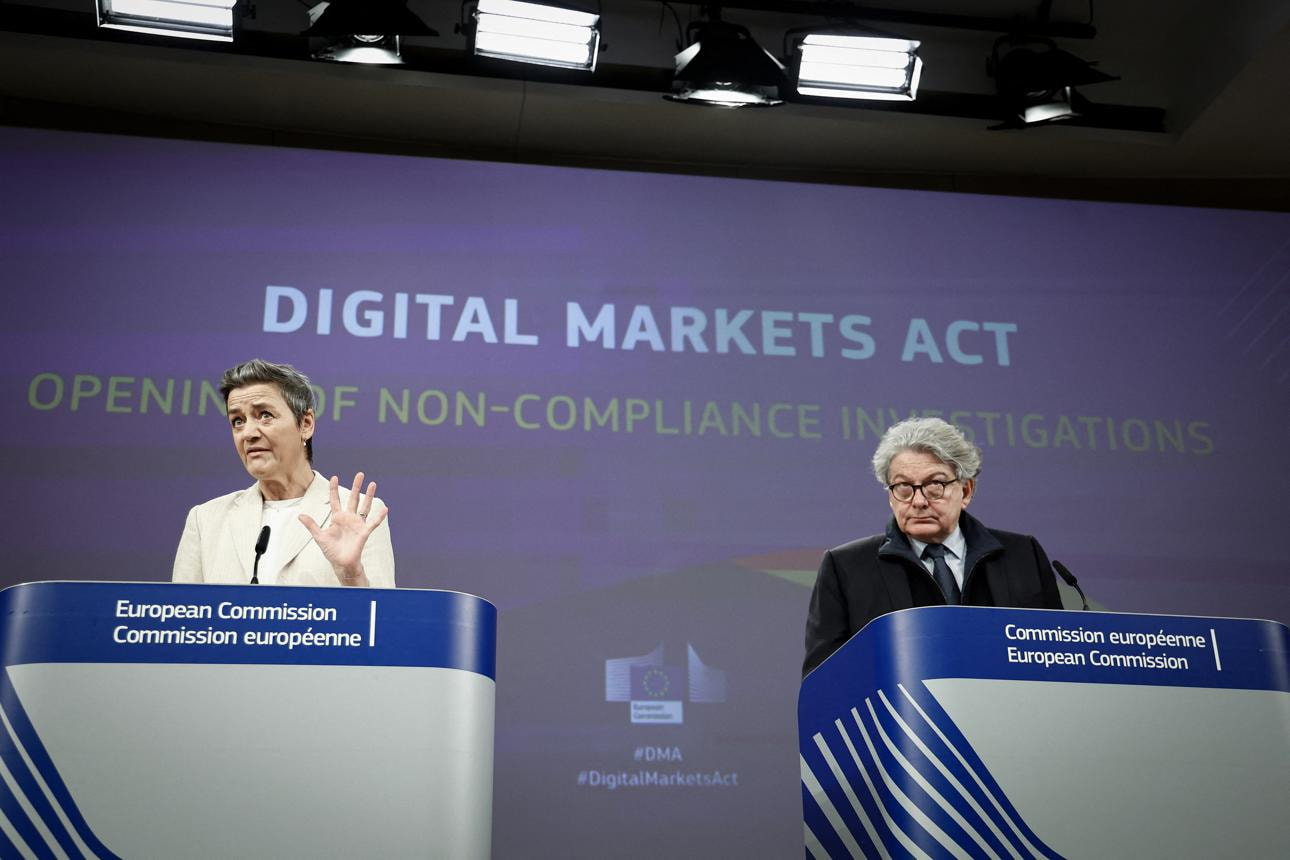
The move lands in a deliberately chosen week. Brussels is rolling out a broader tech-sovereignty package aimed at trimming Europe’s reliance on foreign, overwhelmingly American, digital infrastructure. A search engine is an apt emblem for that ambition because it is the front door to almost everything else online, and because Google’s dominance of it is so total that the company name has become a verb. Choosing a European alternative for the institution that writes Europe’s digital rulebook carries an obvious narrative logic. The Parliament that fined Google repeatedly under competition law and built the Digital Markets Act now declines to use it by default.

The case for the switch rests on more than symbolism. Every search query is a small disclosure of intent, and routing the queries of Europe’s legislators through a service that pledges not to track users or harvest personal data is a defensible security and privacy choice for a body that handles sensitive political work. There is also an industrial-policy argument. European technology firms have long complained that they cannot scale because even public institutions on their own continent reach instinctively for American tools. A visible public customer, however modest the contract, is exactly the kind of demand signal a homegrown challenger needs.

The case against is equally clear, and it is mostly about quality and dependency. Qwant has spent years wrestling with the sheer cost of building and maintaining an independent index large enough to rival Google’s, and parts of its operation have at times leaned on other providers’ infrastructure to fill the gaps. A default that users abandon the moment results disappoint would prove the sceptics right and damage the very brand it was meant to lift. Sovereignty measured in default settings is fragile if the underlying product cannot hold its users.

This is the deeper tension running through Europe’s sovereignty drive. Independence cannot be declared into existence by procurement memos; it has to be built, indexed page by indexed page, server by server, over years of sustained investment. The Parliament can change a default in an afternoon. It cannot conjure a competitive search index, a European cloud, or a domestic chip supply on the same timeline. The danger is that gestures at the easy end of the spectrum substitute for the slow, expensive work at the hard end, allowing politicians to claim progress while the structural dependence remains untouched.

Handled well, the Qwant decision is a useful first rung. It gives a European firm a marquee reference customer, signals seriousness to investors, and forces officials to confront in practice what they legislate in theory. Handled badly, it becomes a cautionary tale about confusing the flag on the software with control over the stack beneath it. The decisive factor will not be the announcement but what follows: whether Europe pairs its symbolic defaults with the patient capital and demand guarantees that let a challenger actually close the quality gap.

For now, the experiment is real and reversible, which is the honest description of where European tech sovereignty stands. The Parliament has placed a bet on a domestic alternative and left its members free to walk away. Whether they stay will say more about the state of European technology than any strategy document. A default that holds is a sign the underlying capability has arrived. A default that quietly empties is a reminder of how far there still is to go.