Frankfurt: The euro area entered the summer with an uncomfortable statistic on its books. Annual inflation across the single-currency bloc reached 3.2 percent in May 2026, up from 3.0 percent in April and the second consecutive monthly increase after a long stretch of disinflation. The figure matters less for its size than for its source. Almost the entire acceleration can be traced to a single line in the consumer basket, and that line is energy.
Energy prices rose 10.9 percent year on year in May, a dramatic widening from the 5.1 percent recorded only a month earlier. To understand how much weight that one category now carries, it helps to decompose the headline. Energy accounts for roughly a tenth of household spending in the harmonised index, yet a double-digit annual move in such a component can lift the aggregate by a full percentage point on its own. Strip energy out and the underlying trend looks far calmer; include it, and the European Central Bank’s two percent target retreats further into the distance.
The driver is geopolitical rather than monetary. Renewed conflict in the Gulf has pushed crude and gas benchmarks higher and reintroduced a risk premium that markets had largely shed during 2025. For a bloc that still imported roughly 57 percent of its energy needs in 2024, every sustained move in global hydrocarbon prices passes through to factory gates, transport costs and ultimately retail shelves. The pass-through is mechanical and quick for fuels, slower and stickier for the goods and services that embed energy further up the chain.
This is the analytical knot facing policymakers. A central bank can do little about a war-driven supply shock; raising rates does not produce more oil. Yet the ECB cannot ignore the risk that a temporary energy spike seeps into wage demands and inflation expectations, converting a one-off price-level shift into persistent inflation. The institution’s own communication this spring leaned heavily on that distinction, arguing that the appropriate response to an energy shock depends entirely on whether second-round effects take hold. So far the evidence is mixed. Core inflation, which excludes energy and food, has remained better behaved than the headline, suggesting that the broader disinflation of the past two years has not fully reversed.
The distributional picture deserves equal attention. Energy inflation is regressive by nature because poorer households spend a larger share of income on heating, electricity and fuel. A 10.9 percent annual rise therefore lands hardest on those least able to absorb it, and it arrives just as many national support schemes introduced during the previous energy crisis have been wound down. The political temptation to reintroduce subsidies or price caps will grow, even though economists generally regard such measures as blunt instruments that blur the price signals needed to reduce consumption.
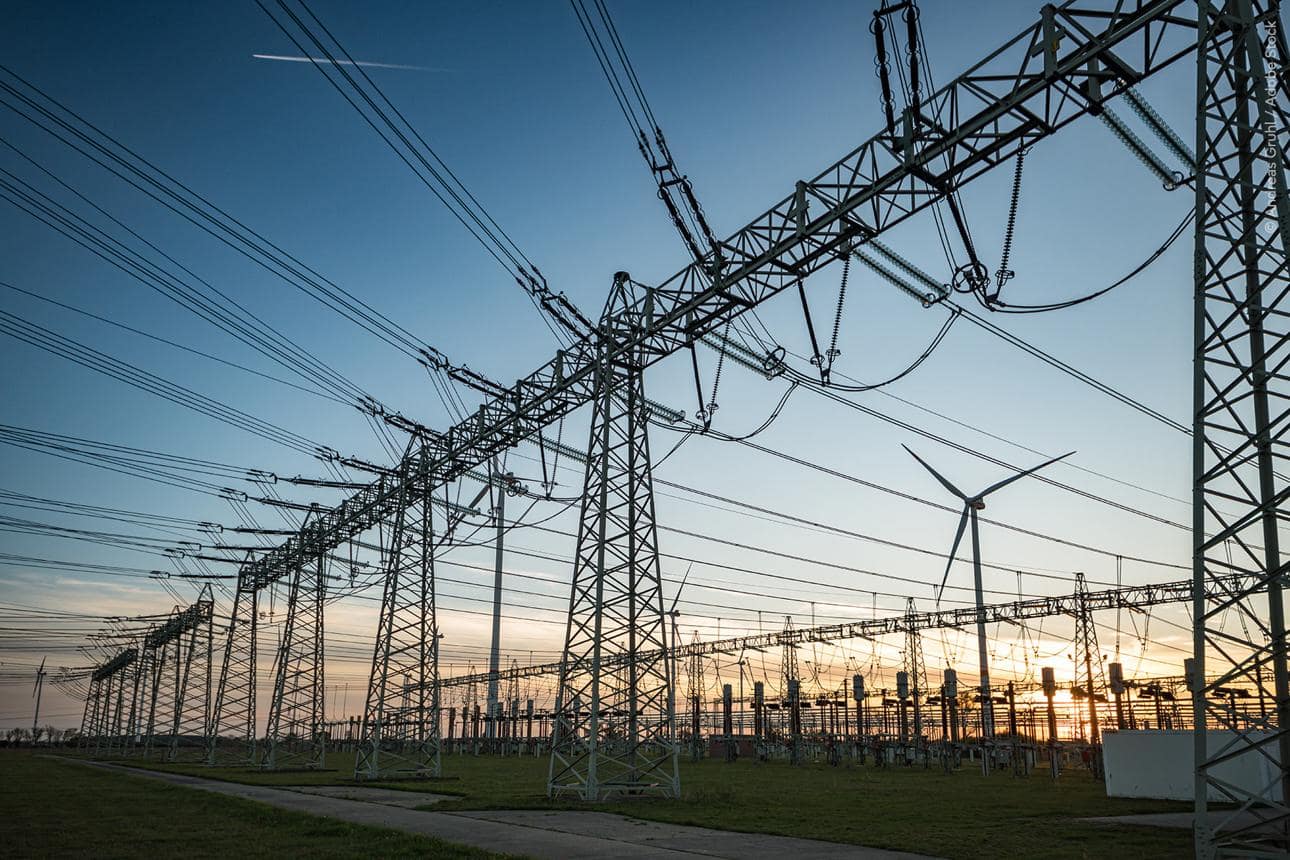
There is also a structural lesson embedded in the data. The same statistics that show 48 percent of EU-produced energy coming from renewable sources in 2024 also show how exposed the bloc remains to imported fossil fuels at the margin. Renewable generation has reduced average exposure but has not eliminated the sensitivity of prices to a barrel of oil priced in dollars on a distant exchange. Until storage, grid interconnection and domestic supply close that gap, episodes like the present one will recur whenever geopolitics disturbs global markets.
For now the numbers counsel caution rather than alarm. A reading of 3.2 percent is uncomfortable but not a return to the double-digit territory of 2022. The more telling figures over the coming months will be the core rate and survey-based expectations, because those reveal whether the shock is staying in the energy aisle or spreading down the rest of the basket. If core holds and expectations remain anchored, the present spike will read in hindsight as a geopolitical interruption to an otherwise intact disinflation. If they drift upward, the calculus changes and the case for keeping policy restrictive strengthens. The euro area’s inflation story, in other words, is no longer being written in Frankfurt. It is being written wherever the next barrel is priced.