August 9, 2026
LATEST
New EU Gas Market Rules Take Effect With Consumer SafeguardsDeforestation Regulation Holds Its December Deadline Despite CutsDigital Omnibus Delays Europe’s High-Risk AI Deadline to 2027Europe’s Schools Confront a Widening Basic Skills GapRule of Law Report Finds Progress but Trust Still LagsIRIS2 Gains 66 Satellites as Brussels Signs the Rollout DealNature Restoration Plans Come Due as Member States Race a DeadlineECB Rates Hold at 2.25 Percent as Frankfurt Waits on the DataEU Budget Talks Turn to Cohesion as Ireland Takes OverWildfire Response Stretches Europe’s Emergency Fleet ThinCan Europe’s Quantum Plan Match Its Big Ambitions?Armenia Edges West as Moscow’s Grip Slips AwayEurope Inherits the World’s Aid Bill It Cannot Fully PayAir Passenger Rights Get Their First Overhaul in Two DecadesErasmus Opens a 5 Billion Euro Round for Skills and MobilityCeuta Crisis Pushes the EU Toward Faster Migrant ReturnsBulky Parcels Face a Packaging Crackdown From August 12Can Europe Build Its Drone Wall Before 2030 Arrives?Indonesia’s Trade Deal With Europe Nears Its Final SignatureEurope Leans on Beijing to Keep Climate Talks Alive Before AntalyaNew EU Gas Market Rules Take Effect With Consumer SafeguardsDeforestation Regulation Holds Its December Deadline Despite CutsDigital Omnibus Delays Europe’s High-Risk AI Deadline to 2027Europe’s Schools Confront a Widening Basic Skills GapRule of Law Report Finds Progress but Trust Still LagsIRIS2 Gains 66 Satellites as Brussels Signs the Rollout DealNature Restoration Plans Come Due as Member States Race a DeadlineECB Rates Hold at 2.25 Percent as Frankfurt Waits on the DataEU Budget Talks Turn to Cohesion as Ireland Takes OverWildfire Response Stretches Europe’s Emergency Fleet ThinCan Europe’s Quantum Plan Match Its Big Ambitions?Armenia Edges West as Moscow’s Grip Slips AwayEurope Inherits the World’s Aid Bill It Cannot Fully PayAir Passenger Rights Get Their First Overhaul in Two DecadesErasmus Opens a 5 Billion Euro Round for Skills and MobilityCeuta Crisis Pushes the EU Toward Faster Migrant ReturnsBulky Parcels Face a Packaging Crackdown From August 12Can Europe Build Its Drone Wall Before 2030 Arrives?Indonesia’s Trade Deal With Europe Nears Its Final SignatureEurope Leans on Beijing to Keep Climate Talks Alive Before Antalya
August 9, 2026
LATEST
New EU Gas Market Rules Take Effect With Consumer SafeguardsDeforestation Regulation Holds Its December Deadline Despite CutsDigital Omnibus Delays Europe’s High-Risk AI Deadline to 2027Europe’s Schools Confront a Widening Basic Skills GapRule of Law Report Finds Progress but Trust Still LagsIRIS2 Gains 66 Satellites as Brussels Signs the Rollout DealNature Restoration Plans Come Due as Member States Race a DeadlineECB Rates Hold at 2.25 Percent as Frankfurt Waits on the DataEU Budget Talks Turn to Cohesion as Ireland Takes OverWildfire Response Stretches Europe’s Emergency Fleet ThinCan Europe’s Quantum Plan Match Its Big Ambitions?Armenia Edges West as Moscow’s Grip Slips AwayEurope Inherits the World’s Aid Bill It Cannot Fully PayAir Passenger Rights Get Their First Overhaul in Two DecadesErasmus Opens a 5 Billion Euro Round for Skills and MobilityCeuta Crisis Pushes the EU Toward Faster Migrant ReturnsBulky Parcels Face a Packaging Crackdown From August 12Can Europe Build Its Drone Wall Before 2030 Arrives?Indonesia’s Trade Deal With Europe Nears Its Final SignatureEurope Leans on Beijing to Keep Climate Talks Alive Before AntalyaNew EU Gas Market Rules Take Effect With Consumer SafeguardsDeforestation Regulation Holds Its December Deadline Despite CutsDigital Omnibus Delays Europe’s High-Risk AI Deadline to 2027Europe’s Schools Confront a Widening Basic Skills GapRule of Law Report Finds Progress but Trust Still LagsIRIS2 Gains 66 Satellites as Brussels Signs the Rollout DealNature Restoration Plans Come Due as Member States Race a DeadlineECB Rates Hold at 2.25 Percent as Frankfurt Waits on the DataEU Budget Talks Turn to Cohesion as Ireland Takes OverWildfire Response Stretches Europe’s Emergency Fleet ThinCan Europe’s Quantum Plan Match Its Big Ambitions?Armenia Edges West as Moscow’s Grip Slips AwayEurope Inherits the World’s Aid Bill It Cannot Fully PayAir Passenger Rights Get Their First Overhaul in Two DecadesErasmus Opens a 5 Billion Euro Round for Skills and MobilityCeuta Crisis Pushes the EU Toward Faster Migrant ReturnsBulky Parcels Face a Packaging Crackdown From August 12Can Europe Build Its Drone Wall Before 2030 Arrives?Indonesia’s Trade Deal With Europe Nears Its Final SignatureEurope Leans on Beijing to Keep Climate Talks Alive Before Antalya

Europe Moves to End Its Chronic Medicine Shortages

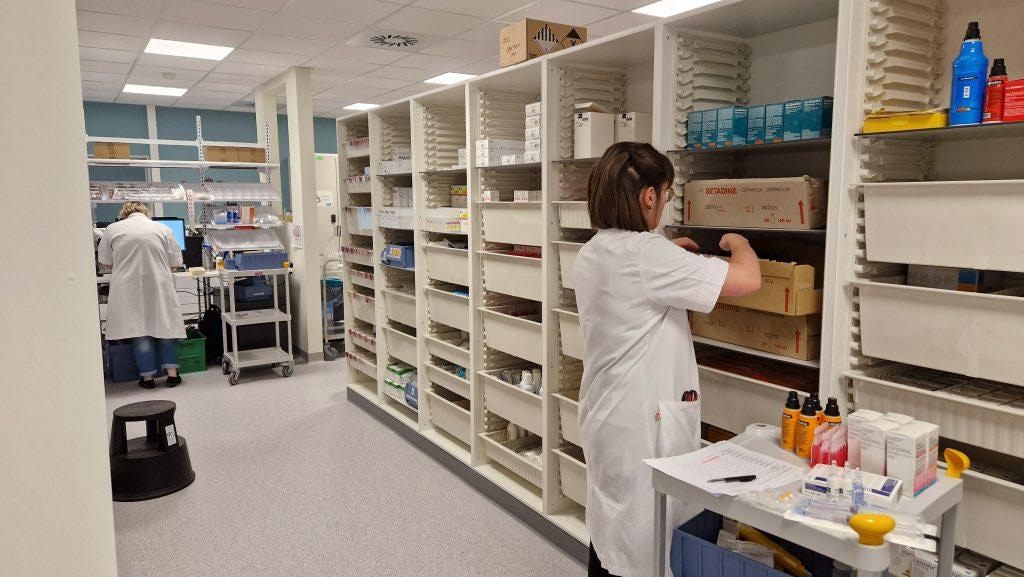
Brussels: Europe’s pharmacies have grown used to a familiar apology, that the medicine you need is out of stock. The bloc now wants to make that apology rare. After the Council and Parliament struck a provisional deal in May, the Critical Medicines Act is moving toward formal adoption, and it targets the medicine shortages that have dogged antibiotics, insulin and common painkillers for years.

The scale of the problem is not anecdotal. An exploratory study for the Commission found that more than half of recent critical shortages traced back to manufacturing failures, magnified by a heavy dependence on active pharmaceutical ingredients made in India and China. When a single plant stumbles, the tremor reaches every member state at once.

What the Act actually changes

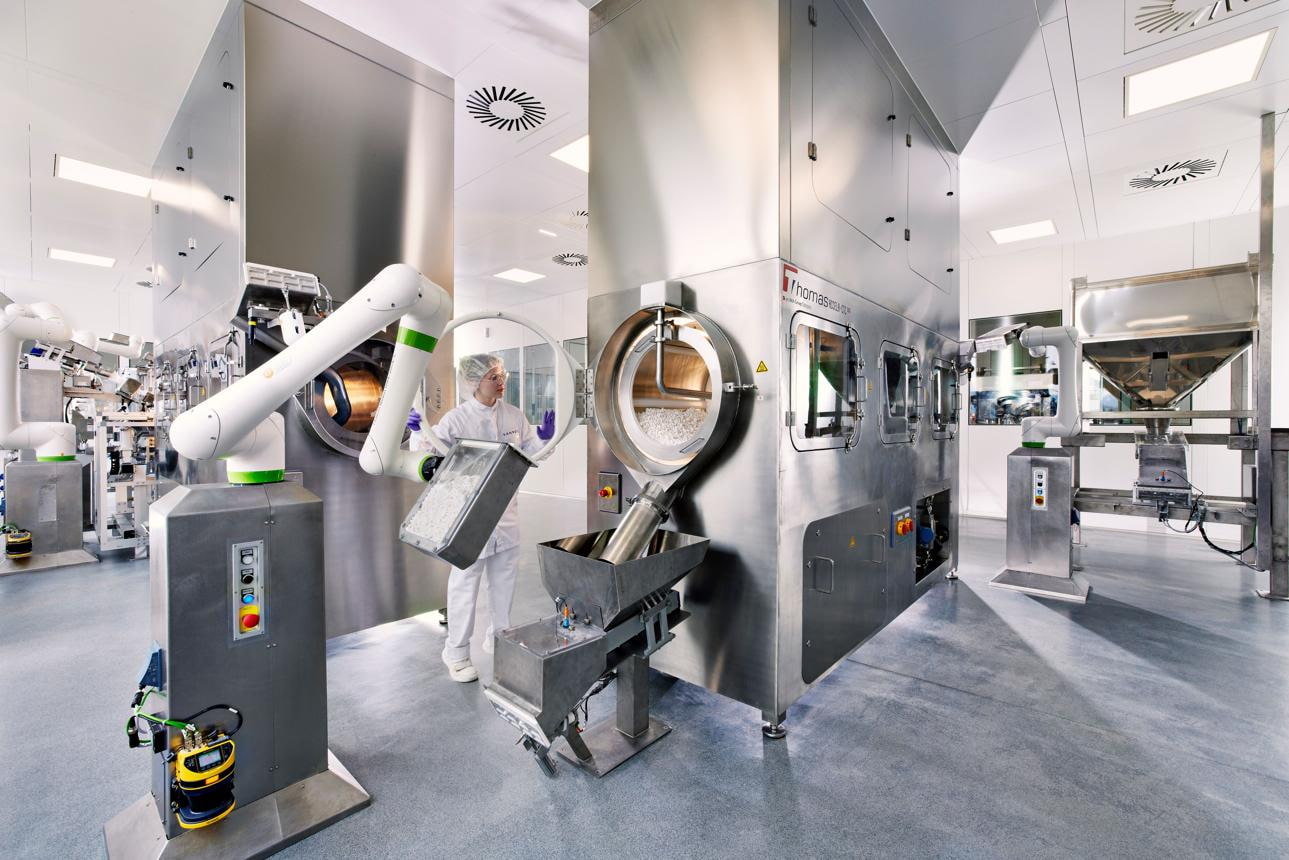
The regulation attacks the problem from three directions. It pushes governments to diversify supply chains so that no single country holds a chokehold over a life-saving drug. It lets states pool their buying power through joint procurement, giving smaller members the leverage that only Germany or France command alone. And it offers incentives to rebuild manufacturing of both finished medicines and their ingredients on European soil.

Public money follows this logic. Projects judged strategic can win faster permitting and preferential funding, a signal that Brussels will pay a premium for security rather than chase the cheapest supplier abroad. The Commission frames the effort as a competitiveness measure as much as a health one, arguing that a continent that cannot make its own antibiotics is not sovereign in any real sense. The Council sets out the details in its policy file.

The mechanics reward companies that build resilience into their supply, not just those that sell cheapest. Firms that keep buffer stocks, run a second production site, or source ingredients from more than one region can earn preference in public tenders. That marks a break from a procurement culture in which the lowest bid almost always won, a habit critics blame for the fragile, single-source chains now snapping under stress.

The costs nobody wants to name

Reshoring is not free. European production carries higher labour and environmental costs than the Asian plants that now dominate, and someone must absorb the difference. Analysts warn that without sustained subsidy, medicines made in Europe could price themselves out of the very health systems they are meant to protect. Global health advocates also caution that a European dash for supply could pull scarce ingredients away from poorer countries, a concern that surfaced sharply during the Parliament debate.

Timing complicates the picture too. Building fill-and-finish lines and ingredient plants takes years, while shortages strike in weeks. The Act’s stockpiling and early-warning tools may matter more in the near term than its industrial ambitions, buying time until the factories arrive.

The direction still marks a genuine shift. For a decade the EU treated medicine supply as a market that would sort itself out. The pandemic, and then a run of winter antibiotic shortages, shattered that assumption. Whether the law ends the shortages once and for all, as its champions claim, depends less on the text than on the budgets member states attach to it. Brussels sets the ambition, and national treasuries will decide how far it travels. The European Commission lays out the background.