August 9, 2026
LATEST
New EU Gas Market Rules Take Effect With Consumer SafeguardsDeforestation Regulation Holds Its December Deadline Despite CutsDigital Omnibus Delays Europe’s High-Risk AI Deadline to 2027Europe’s Schools Confront a Widening Basic Skills GapRule of Law Report Finds Progress but Trust Still LagsIRIS2 Gains 66 Satellites as Brussels Signs the Rollout DealNature Restoration Plans Come Due as Member States Race a DeadlineECB Rates Hold at 2.25 Percent as Frankfurt Waits on the DataEU Budget Talks Turn to Cohesion as Ireland Takes OverWildfire Response Stretches Europe’s Emergency Fleet ThinCan Europe’s Quantum Plan Match Its Big Ambitions?Armenia Edges West as Moscow’s Grip Slips AwayEurope Inherits the World’s Aid Bill It Cannot Fully PayAir Passenger Rights Get Their First Overhaul in Two DecadesErasmus Opens a 5 Billion Euro Round for Skills and MobilityCeuta Crisis Pushes the EU Toward Faster Migrant ReturnsBulky Parcels Face a Packaging Crackdown From August 12Can Europe Build Its Drone Wall Before 2030 Arrives?Indonesia’s Trade Deal With Europe Nears Its Final SignatureEurope Leans on Beijing to Keep Climate Talks Alive Before AntalyaNew EU Gas Market Rules Take Effect With Consumer SafeguardsDeforestation Regulation Holds Its December Deadline Despite CutsDigital Omnibus Delays Europe’s High-Risk AI Deadline to 2027Europe’s Schools Confront a Widening Basic Skills GapRule of Law Report Finds Progress but Trust Still LagsIRIS2 Gains 66 Satellites as Brussels Signs the Rollout DealNature Restoration Plans Come Due as Member States Race a DeadlineECB Rates Hold at 2.25 Percent as Frankfurt Waits on the DataEU Budget Talks Turn to Cohesion as Ireland Takes OverWildfire Response Stretches Europe’s Emergency Fleet ThinCan Europe’s Quantum Plan Match Its Big Ambitions?Armenia Edges West as Moscow’s Grip Slips AwayEurope Inherits the World’s Aid Bill It Cannot Fully PayAir Passenger Rights Get Their First Overhaul in Two DecadesErasmus Opens a 5 Billion Euro Round for Skills and MobilityCeuta Crisis Pushes the EU Toward Faster Migrant ReturnsBulky Parcels Face a Packaging Crackdown From August 12Can Europe Build Its Drone Wall Before 2030 Arrives?Indonesia’s Trade Deal With Europe Nears Its Final SignatureEurope Leans on Beijing to Keep Climate Talks Alive Before Antalya
August 9, 2026
LATEST
New EU Gas Market Rules Take Effect With Consumer SafeguardsDeforestation Regulation Holds Its December Deadline Despite CutsDigital Omnibus Delays Europe’s High-Risk AI Deadline to 2027Europe’s Schools Confront a Widening Basic Skills GapRule of Law Report Finds Progress but Trust Still LagsIRIS2 Gains 66 Satellites as Brussels Signs the Rollout DealNature Restoration Plans Come Due as Member States Race a DeadlineECB Rates Hold at 2.25 Percent as Frankfurt Waits on the DataEU Budget Talks Turn to Cohesion as Ireland Takes OverWildfire Response Stretches Europe’s Emergency Fleet ThinCan Europe’s Quantum Plan Match Its Big Ambitions?Armenia Edges West as Moscow’s Grip Slips AwayEurope Inherits the World’s Aid Bill It Cannot Fully PayAir Passenger Rights Get Their First Overhaul in Two DecadesErasmus Opens a 5 Billion Euro Round for Skills and MobilityCeuta Crisis Pushes the EU Toward Faster Migrant ReturnsBulky Parcels Face a Packaging Crackdown From August 12Can Europe Build Its Drone Wall Before 2030 Arrives?Indonesia’s Trade Deal With Europe Nears Its Final SignatureEurope Leans on Beijing to Keep Climate Talks Alive Before AntalyaNew EU Gas Market Rules Take Effect With Consumer SafeguardsDeforestation Regulation Holds Its December Deadline Despite CutsDigital Omnibus Delays Europe’s High-Risk AI Deadline to 2027Europe’s Schools Confront a Widening Basic Skills GapRule of Law Report Finds Progress but Trust Still LagsIRIS2 Gains 66 Satellites as Brussels Signs the Rollout DealNature Restoration Plans Come Due as Member States Race a DeadlineECB Rates Hold at 2.25 Percent as Frankfurt Waits on the DataEU Budget Talks Turn to Cohesion as Ireland Takes OverWildfire Response Stretches Europe’s Emergency Fleet ThinCan Europe’s Quantum Plan Match Its Big Ambitions?Armenia Edges West as Moscow’s Grip Slips AwayEurope Inherits the World’s Aid Bill It Cannot Fully PayAir Passenger Rights Get Their First Overhaul in Two DecadesErasmus Opens a 5 Billion Euro Round for Skills and MobilityCeuta Crisis Pushes the EU Toward Faster Migrant ReturnsBulky Parcels Face a Packaging Crackdown From August 12Can Europe Build Its Drone Wall Before 2030 Arrives?Indonesia’s Trade Deal With Europe Nears Its Final SignatureEurope Leans on Beijing to Keep Climate Talks Alive Before Antalya

Europe Needs 584 Billion in Wires It Cannot Yet Build

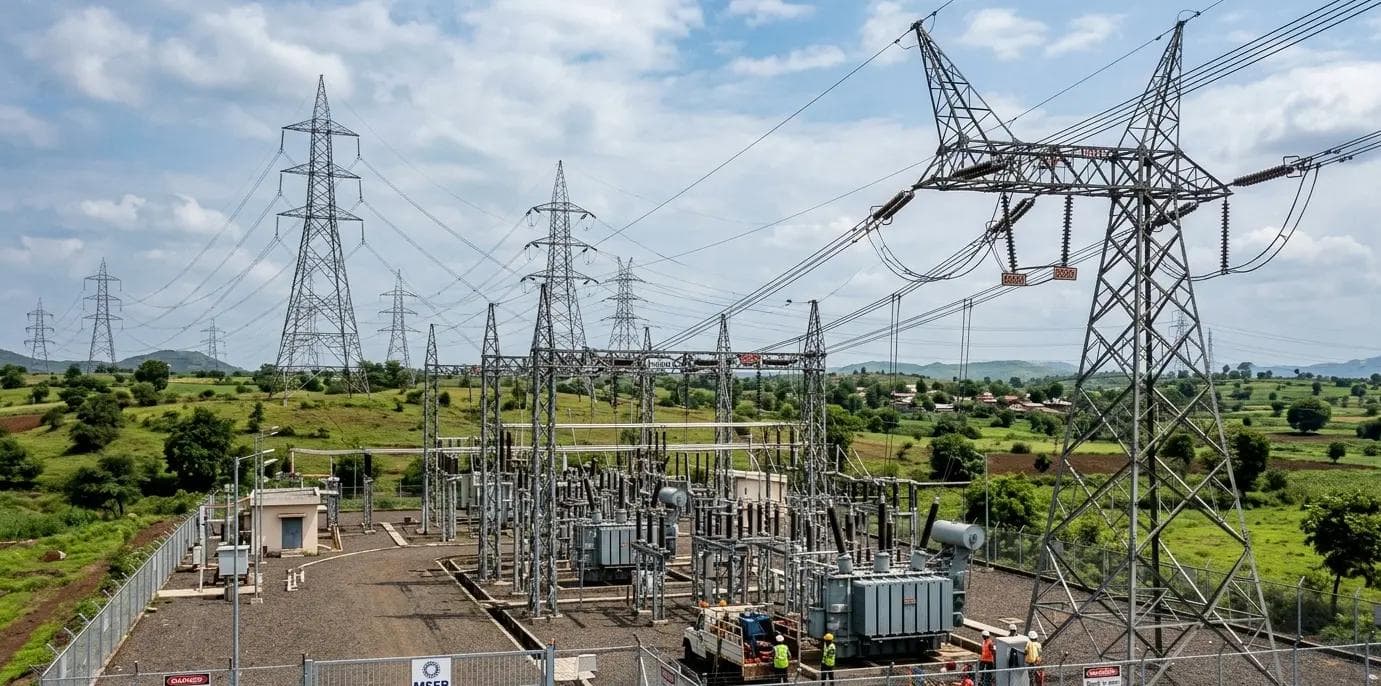
When EU energy ministers gather in Brussels on 26 June, the Cypriot Presidency will try to land a general agreement on the European Grids Package, the least glamorous and arguably most decisive file on the continent’s energy agenda. The numbers explain the urgency. The Commission estimates Europe must invest €584 billion in grid infrastructure by 2030 to carry the electricity its climate and competitiveness goals assume. Every wind farm approved, every electric vehicle sold and every electrified factory rests on a network that is ageing, congested and slow to expand.

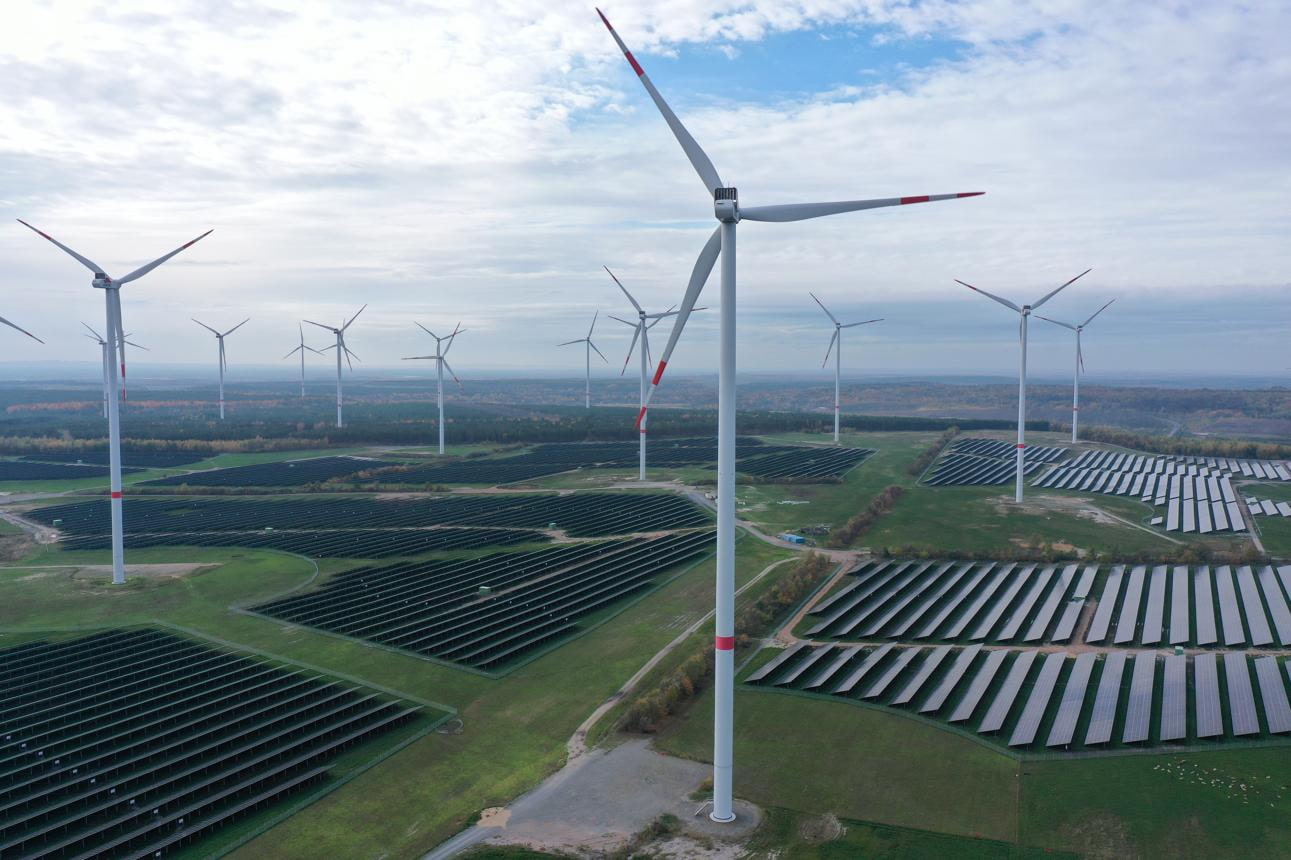
The package is an admission that Europe’s bottleneck has shifted. For a decade the binding constraint on the energy transition was generation, and policy poured incentives into building renewable capacity. That capacity now exists in quantities the grid cannot always absorb. Wind and solar projects wait years for connection, and in some regions completed renewable plants sit idle because the wires to move their power do not exist. The transition has run ahead of its own plumbing, and the Grids Package is the belated attempt to catch up.

Its instruments are sensible and, on paper, overdue. The plan seeks better EU-level coordination to map and plan cross-border infrastructure, fairer mechanisms to share the cost of projects that benefit several countries at once, and faster permitting for grids, storage and charging points. It is paired with a proposed five-fold increase in the Connecting Europe Facility under the next EU budget. Cross-border interconnection is the quiet multiplier here. A well-linked grid lets surplus wind in the north cover a still evening in the south, smoothing the intermittency that critics of renewables seize on. Without those links, every country over-builds for its own worst case, and the system as a whole pays more than it needs to.

The friction sits, as it usually does, between Brussels and national capitals. A leaked element of the file would introduce silent approval for grid permits, meaning a project is deemed authorised if an authority fails to respond within a set window. To the Commission it is a cure for the permitting paralysis that strands projects for years. To several member states it reads as a transfer of sovereign control over what gets built on their territory, and the phrase power grab has already attached itself to the proposal. Energy infrastructure is intensely local, routed through specific valleys and past specific towns, and the communities that host pylons rarely consume the benefit directly. Brussels can streamline a permit, but it cannot streamline the politics of a transmission line crossing land its owners would rather keep clear.

That is the package’s central vulnerability. It is fundamentally about coordination, and coordination is where the EU is structurally weakest, because it requires governments to cede planning authority and accept cost-sharing formulas that will inevitably make some of them net contributors. A general agreement on 26 June, if Cyprus secures it, fixes only the Council’s negotiating position. The harder talks with the European Parliament come later in the year, and the gap between a political agreement and a built kilometre of cable is measured in years.

The deeper point is that grids expose the limits of climate ambition set without the means to deliver it. Targets for renewable share and electrification are legislated in Brussels, while the transmission lines that make them physically possible are permitted, financed and resisted at home. The €584 billion figure is not a subsidy the EU can simply appropriate but an investment it must coax out of national utilities, private capital and ratepayers, against local opposition and within permitting systems it only partly controls. The Grids Package is the right response to the right problem. Whether Europe can build at the pace its own targets demand is a test not of vision but of execution, and execution is the part the continent has yet to prove it can manage.