August 9, 2026
LATEST
New EU Gas Market Rules Take Effect With Consumer SafeguardsDeforestation Regulation Holds Its December Deadline Despite CutsDigital Omnibus Delays Europe’s High-Risk AI Deadline to 2027Europe’s Schools Confront a Widening Basic Skills GapRule of Law Report Finds Progress but Trust Still LagsIRIS2 Gains 66 Satellites as Brussels Signs the Rollout DealNature Restoration Plans Come Due as Member States Race a DeadlineECB Rates Hold at 2.25 Percent as Frankfurt Waits on the DataEU Budget Talks Turn to Cohesion as Ireland Takes OverWildfire Response Stretches Europe’s Emergency Fleet ThinCan Europe’s Quantum Plan Match Its Big Ambitions?Armenia Edges West as Moscow’s Grip Slips AwayEurope Inherits the World’s Aid Bill It Cannot Fully PayAir Passenger Rights Get Their First Overhaul in Two DecadesErasmus Opens a 5 Billion Euro Round for Skills and MobilityCeuta Crisis Pushes the EU Toward Faster Migrant ReturnsBulky Parcels Face a Packaging Crackdown From August 12Can Europe Build Its Drone Wall Before 2030 Arrives?Indonesia’s Trade Deal With Europe Nears Its Final SignatureEurope Leans on Beijing to Keep Climate Talks Alive Before AntalyaNew EU Gas Market Rules Take Effect With Consumer SafeguardsDeforestation Regulation Holds Its December Deadline Despite CutsDigital Omnibus Delays Europe’s High-Risk AI Deadline to 2027Europe’s Schools Confront a Widening Basic Skills GapRule of Law Report Finds Progress but Trust Still LagsIRIS2 Gains 66 Satellites as Brussels Signs the Rollout DealNature Restoration Plans Come Due as Member States Race a DeadlineECB Rates Hold at 2.25 Percent as Frankfurt Waits on the DataEU Budget Talks Turn to Cohesion as Ireland Takes OverWildfire Response Stretches Europe’s Emergency Fleet ThinCan Europe’s Quantum Plan Match Its Big Ambitions?Armenia Edges West as Moscow’s Grip Slips AwayEurope Inherits the World’s Aid Bill It Cannot Fully PayAir Passenger Rights Get Their First Overhaul in Two DecadesErasmus Opens a 5 Billion Euro Round for Skills and MobilityCeuta Crisis Pushes the EU Toward Faster Migrant ReturnsBulky Parcels Face a Packaging Crackdown From August 12Can Europe Build Its Drone Wall Before 2030 Arrives?Indonesia’s Trade Deal With Europe Nears Its Final SignatureEurope Leans on Beijing to Keep Climate Talks Alive Before Antalya
August 9, 2026
LATEST
New EU Gas Market Rules Take Effect With Consumer SafeguardsDeforestation Regulation Holds Its December Deadline Despite CutsDigital Omnibus Delays Europe’s High-Risk AI Deadline to 2027Europe’s Schools Confront a Widening Basic Skills GapRule of Law Report Finds Progress but Trust Still LagsIRIS2 Gains 66 Satellites as Brussels Signs the Rollout DealNature Restoration Plans Come Due as Member States Race a DeadlineECB Rates Hold at 2.25 Percent as Frankfurt Waits on the DataEU Budget Talks Turn to Cohesion as Ireland Takes OverWildfire Response Stretches Europe’s Emergency Fleet ThinCan Europe’s Quantum Plan Match Its Big Ambitions?Armenia Edges West as Moscow’s Grip Slips AwayEurope Inherits the World’s Aid Bill It Cannot Fully PayAir Passenger Rights Get Their First Overhaul in Two DecadesErasmus Opens a 5 Billion Euro Round for Skills and MobilityCeuta Crisis Pushes the EU Toward Faster Migrant ReturnsBulky Parcels Face a Packaging Crackdown From August 12Can Europe Build Its Drone Wall Before 2030 Arrives?Indonesia’s Trade Deal With Europe Nears Its Final SignatureEurope Leans on Beijing to Keep Climate Talks Alive Before AntalyaNew EU Gas Market Rules Take Effect With Consumer SafeguardsDeforestation Regulation Holds Its December Deadline Despite CutsDigital Omnibus Delays Europe’s High-Risk AI Deadline to 2027Europe’s Schools Confront a Widening Basic Skills GapRule of Law Report Finds Progress but Trust Still LagsIRIS2 Gains 66 Satellites as Brussels Signs the Rollout DealNature Restoration Plans Come Due as Member States Race a DeadlineECB Rates Hold at 2.25 Percent as Frankfurt Waits on the DataEU Budget Talks Turn to Cohesion as Ireland Takes OverWildfire Response Stretches Europe’s Emergency Fleet ThinCan Europe’s Quantum Plan Match Its Big Ambitions?Armenia Edges West as Moscow’s Grip Slips AwayEurope Inherits the World’s Aid Bill It Cannot Fully PayAir Passenger Rights Get Their First Overhaul in Two DecadesErasmus Opens a 5 Billion Euro Round for Skills and MobilityCeuta Crisis Pushes the EU Toward Faster Migrant ReturnsBulky Parcels Face a Packaging Crackdown From August 12Can Europe Build Its Drone Wall Before 2030 Arrives?Indonesia’s Trade Deal With Europe Nears Its Final SignatureEurope Leans on Beijing to Keep Climate Talks Alive Before Antalya

Europe Wants To Make Its Own Antibiotics Again

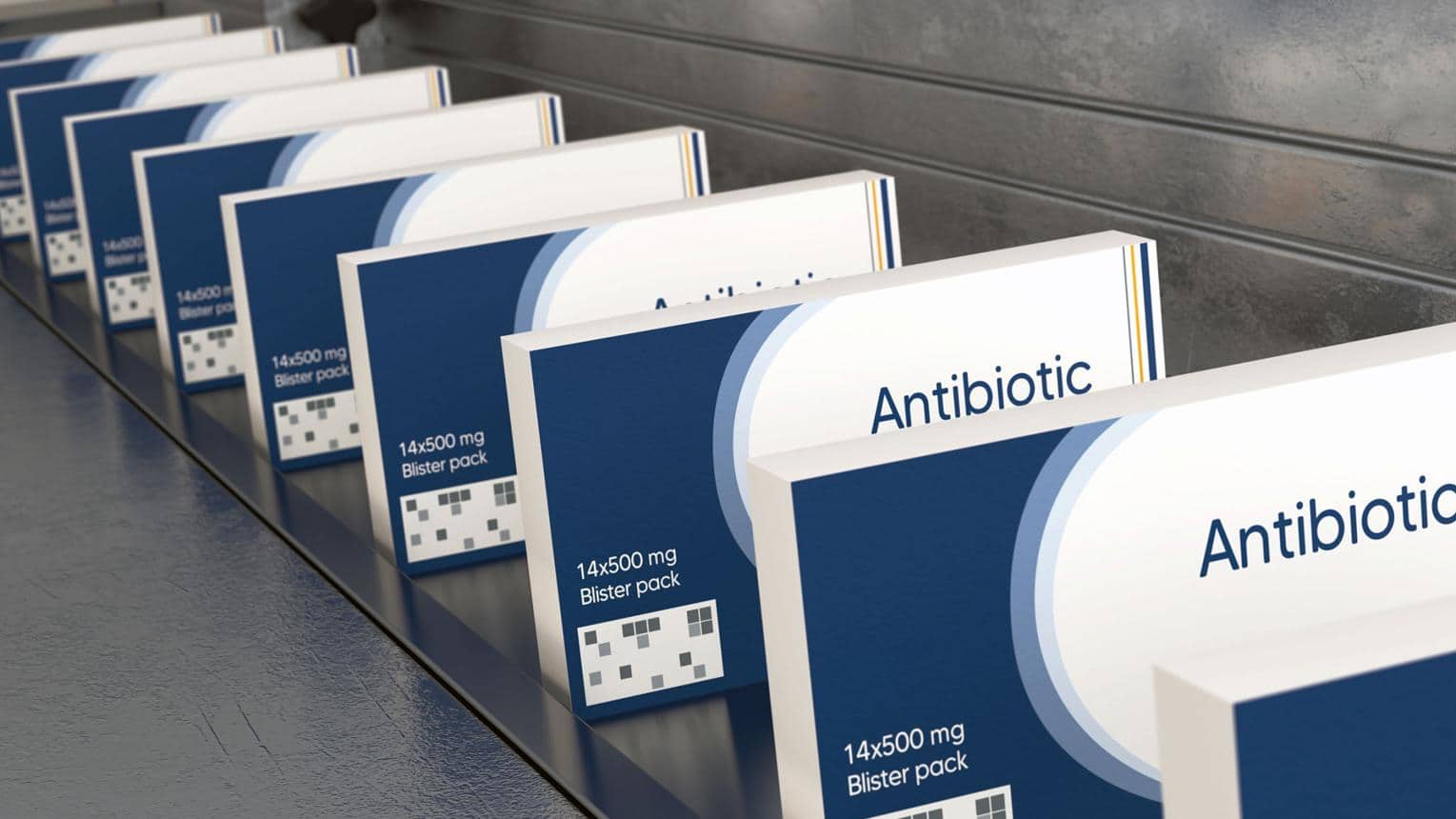
Strasbourg: After more than twelve hours of negotiation in May, the Parliament and Council reached a provisional deal on the Critical Medicines Act, a law that tries to answer a problem most Europeans only notice at the pharmacy counter when a common drug is suddenly unavailable. The text aims to reduce shortages of essential products such as antibiotics, insulin and basic painkillers, and behind that modest-sounding goal lies a deliberate strategic shift. The bloc is no longer treating supply security as a market afterthought. It is treating the ability to make medicines as a question of sovereignty.

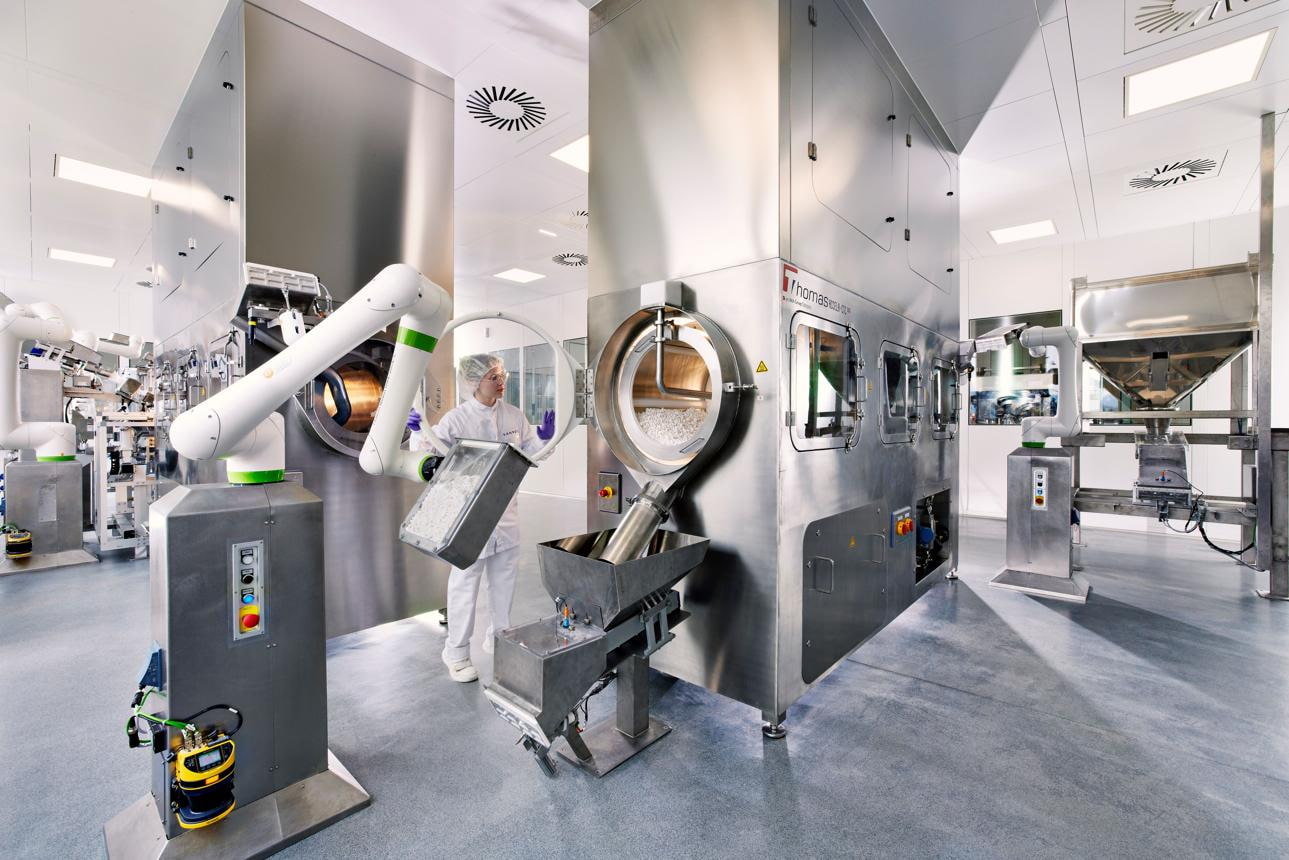
The diagnosis is uncomfortable. Europe consumes a vast share of the world’s generic medicines while manufacturing a shrinking portion of the active ingredients they depend on. Decades of cost competition pushed production of the cheapest, highest-volume drugs toward a small number of plants in Asia, leaving the continent exposed whenever a single factory falters or a single government restricts exports. The Critical Medicines Act tries to bend that curve by rewarding diversified supply chains and by making it more attractive to manufacture critical products, and their ingredients, closer to home. The unstated admission is that the open market alone will not rebuild capacity that the same market spent years dismantling.

Two negotiated details reveal where the real leverage sits. First, lawmakers lowered the threshold for joint purchasing: instead of nine member states, only five will now be needed to ask the Commission to procure on their behalf. That change matters more than it appears. Collective buying gives smaller countries the bargaining weight they lack alone, and a lower threshold makes such coalitions far easier to assemble. The risk is that larger members with their own procurement muscle may prefer to act independently, leaving the joint mechanism to the states that need it most and reducing the very scale that makes it powerful. Second, the deal keeps a stockpiling objective but wraps it in new transparency and solidarity requirements, obliging members to share information on contingency stocks rather than quietly hoarding during a crisis. The memory of pandemic-era export blocks and competitive stockpiling clearly shaped that compromise.

Lawmakers also widened the scope to cover orphan medicines, the treatments for rare diseases that are commercially marginal precisely because their patient populations are small. Bringing them into the strategic projects and collaborative procurement framework is a quiet but meaningful expansion, signalling that security of supply is not only about high-volume staples but also about the products markets routinely neglect. It is the kind of provision that costs little in headlines and a great deal in reassurance to the families who depend on a single, fragile production line.

The honest limitation is timing and money. The agreed text still needs formal endorsement by both institutions and is unlikely to be published before the end of the year, with its application date yet to be confirmed. More fundamentally, regulation can create incentives but cannot conjure factories. Rebuilding manufacturing capacity for active ingredients is capital-intensive, slow, and competes against established producers whose costs remain lower. Without sustained public co-investment, the Act risks becoming a framework that points in the right direction while the underlying economics keep pulling supply chains the other way. Industry will welcome the political signal and then ask, reasonably, who pays for the relocation.

Still, the significance of the moment should not be understated. For years European health policy treated shortages as isolated logistical failures to be managed case by case. The Critical Medicines Act reframes them as a systemic vulnerability that demands a systemic response, blending procurement reform, transparency and industrial policy into a single instrument. Whether it succeeds will depend on the unglamorous work that follows the celebratory press release. The law has named the problem clearly and given member states better tools to act together. The harder test is whether they choose to use them before the next shortage forces their hand.